
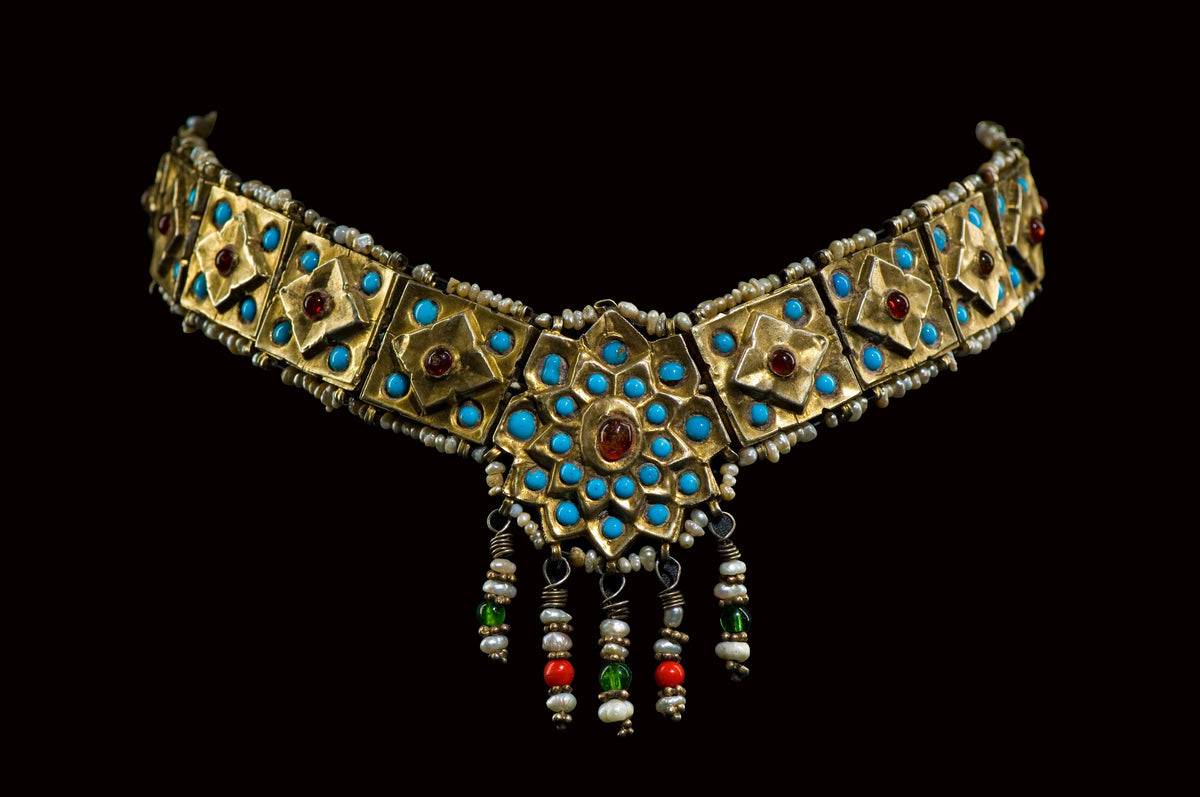
As the final month of the year approaches, many look forward to celebrating December with festive cheer, reflection, and gift-giving. But beyond the holiday spirit, December also boasts a captivating birthstone: turquoise. With its striking colour, rich history, and deep cultural significance, turquoise has long been cherished as more than just a decorative stone. It is believed to be an amulet of good fortune, a symbol of protection, and a treasured vintage gemstone that continues to enchant jewellery lovers around the world.
The Origins and History of Turquoise
Turquoise is one of the oldest gemstones known to civilisation, with origins tracing back thousands of years. Its name is thought to derive from the French word turqueise, meaning "Turkish," as the stone was brought to Europe through Turkish trade routes from regions such as Persia (modern-day Iran), Egypt, and Central Asia.
Ancient Egyptians valued turquoise immensely, using it in jewellery, amulets, and burial masks for pharaohs. The famous burial mask of Tutankhamun, for example, features inlays of turquoise, highlighting its significance in Egyptian culture as a symbol of protection and divine favour.
In Native American traditions, especially among the Navajo, Zuni, and Hopi tribes, turquoise holds sacred and spiritual qualities. It is regarded as a gift from the sky and a symbol of life, health, and good fortune. The stone’s vibrant hue is believed to carry the energy of the heavens, offering protection and positive energy to its wearer.
Similarly, in Persian and Central Asian cultures, turquoise has been revered as a talisman against evil and misfortune. It was often used in jewellery, architecture, and amulets, believed to ward off the "evil eye" and bring prosperity.
The Symbolism of Turquoise
Turquoise’s distinctive blue-to-green colour palette has cemented its reputation as a colour of tranquillity, healing, and good luck. Its calming hue is often associated with serenity and spiritual balance, making it a popular choice for jewellery meant to protect and uplift.
In numerous cultures, turquoise is considered a stone of protection. It is believed to guard travellers on long journeys, safeguard loved ones, and attract positive energy. Many also regard it as a stone of wisdom and communication, helping to express oneself clearly and confidently.
The colour itself is symbolic of the sky and water, representing life, renewal, and harmony. Its unique, opaque quality makes each piece of turquoise distinctly individual, often with natural veining and variations that add character and history to vintage treasures.
Turquoise as a Birthstone
Recognised as December’s birthstone, turquoise is celebrated for its unique beauty and spiritual significance. For those born in the final month of the year, wearing turquoise is thought to bring good fortune, health, and protection.
Traditionally, turquoise has been gifted to mark milestones, weddings, or special achievements. Its reputation as an amulet of good luck persists, with many believing that wearing turquoise can enhance personal well-being and foster positive relationships.
In recent years, vintage turquoise jewellery has experienced a resurgence among collectors and fashion enthusiasts. From bohemian statement necklaces to delicate antique rings, vintage turquoise pieces carry a sense of history and timelessness that modern stones often lack. Each piece tells a story, often crafted with artisanal skill and infused with cultural significance.
Vintage Turquoise Treasures and Collecting
The allure of vintage turquoise lies in its natural beauty and cultural richness. Many collectors seek out authentic, aged turquoise pieces for their unique character and historical value. Some of the most treasured vintage items include Native American jewellery, especially those crafted by skilled artisans who used traditional techniques passed down through generations.
In particular, Zuni and Navajo turquoise jewellery is highly sought after for its craftsmanship and vibrant, intact stones. These pieces often feature intricate silverwork that complements the stone’s natural beauty, creating heirlooms that are both decorative and symbolic.
Another treasured category includes ancient Egyptian jewellery, where turquoise was combined with gold and other precious materials to create stunning amulets and pendants. These items not only serve as beautiful adornments but also as tangible links to history.
Today, vintage turquoise treasures are prized not just for their aesthetic appeal but for their cultural significance and the stories they carry. Whether as a statement piece or a meaningful gift, vintage turquoise jewellery continues to captivate those who appreciate its history and symbolism.
Caring for Turquoise
While turquoise is prized for its beauty, it requires gentle care to preserve its colour and integrity. Unlike harder gemstones such as sapphires or diamonds, turquoise is relatively soft and porous, making it susceptible to scratches, chemicals, and environmental damage.
To care for turquoise jewellery, avoid exposing it to prolonged sunlight, extreme temperatures, or harsh chemicals such as perfumes and cleaning agents. It’s best to clean turquoise with a soft, damp cloth and store it separately to prevent scratching or colour transfer.
Proper care ensures that vintage turquoise pieces retain their charm and value for generations to come, allowing their history and good fortune to be passed down through the years.
Embracing December’s Turquoise
Whether as a meaningful birthstone, a talisman of protection, or a vintage treasure, turquoise embodies the spirit of good fortune and timeless beauty. Its rich history, cultural significance, and captivating colour make it a truly special stone to celebrate in December.
As we approach the end of the year, wearing or gifting turquoise can serve as a reminder of hope, health, and protection for the months ahead. Vintage turquoise jewellery, with its deep roots and unique character, offers an enduring connection to the past and a bright symbol for the future.
In embracing December’s turquoise, we celebrate not only a stunning gemstone but also a tradition of luck, protection, and cultural artistry that has inspired humanity for thousands of years.


