
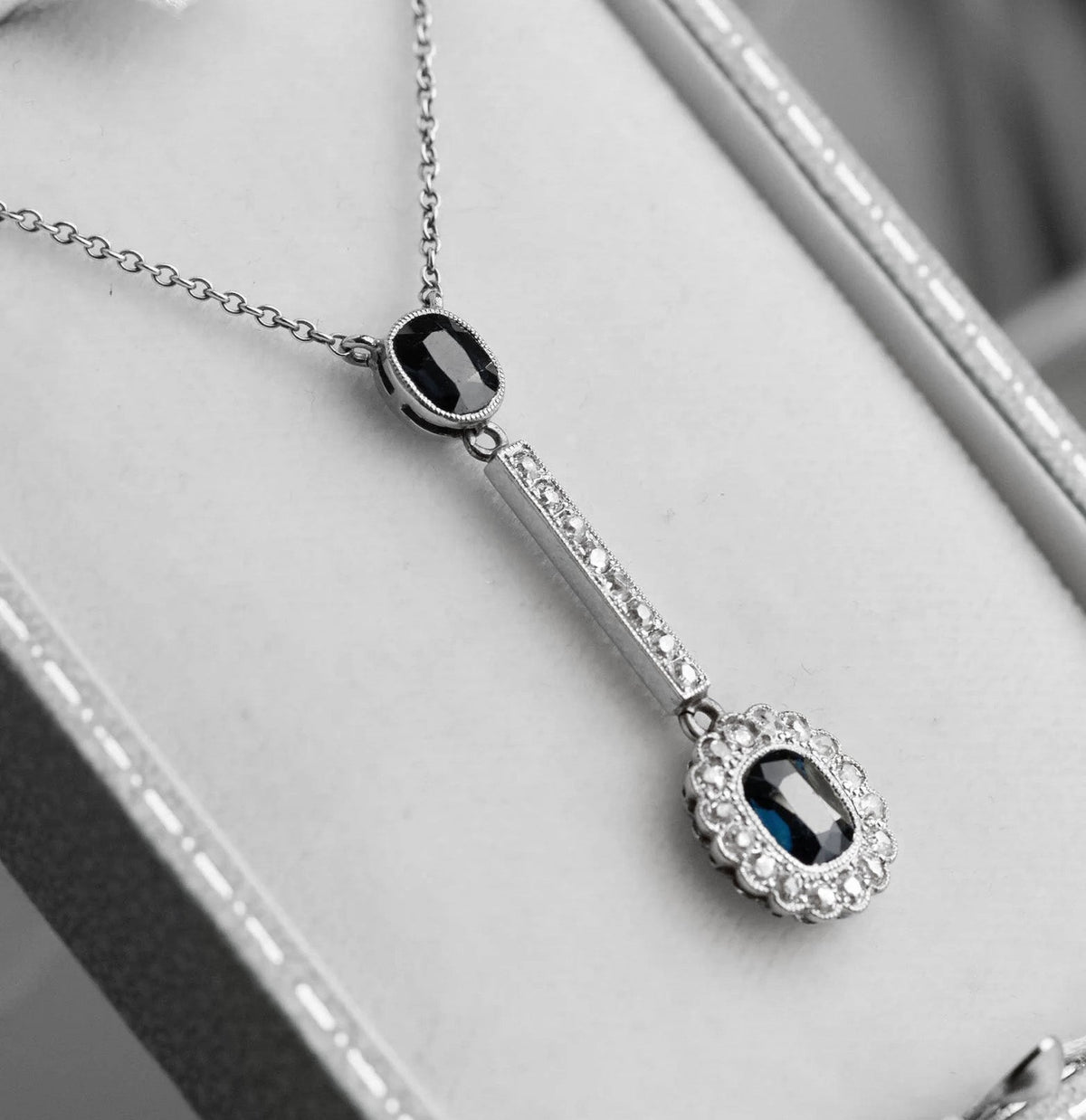
Jewellery has long been a symbol of beauty, status, and personal expression. From the glittering crowns of ancient royalty to the quirky pieces of the modern era, jewellery reflects the cultural shifts, technological innovations, and artistic trends of each age. Understanding the history of antique and vintage jewellery offers a fascinating glimpse into the past while helping collectors and enthusiasts appreciate the rich stories behind each piece.
In this article, we will explore how jewellery has evolved over the centuries, highlighting key periods and styles, and guiding you on how to recognise the distinctive features of antique and vintage pieces. Whether you’re a seasoned collector or simply curious about jewellery history, join us as we decode the glamour of the ages.
The Origins of Jewellery: Prehistoric and Ancient Civilisations
Jewellery’s roots stretch back to prehistoric times when early humans wore shells, bones, and stones as adornments. These items likely served symbolic or spiritual purposes, rather than purely decorative ones. As civilisation advanced, jewellery became more sophisticated, reflecting social hierarchies and cultural values.
Ancient Egypt is perhaps the most famous early civilisation for its exquisite jewellery. Egyptians mastered goldsmithing, creating intricate pieces with symbols of power and protection. They used semi-precious stones like turquoise and carnelian, along with gold, to craft scarabs, broad collars, and amulets. These items often had religious significance, symbolising eternal life and divine power.
Similarly, ancient Mesopotamians, Greeks, and Romans developed their own distinctive styles, often employing techniques like granulation and filigree. The Greeks popularised cameos and intaglio carvings, while the Romans embraced colourful glass and colourful stones to create elaborate jewellery that reflected their wealth and status.
The Middle Ages: Symbolism and Craftsmanship
The Middle Ages (roughly 5th to 15th centuries) saw jewellery take on a more symbolic and spiritual role. Religious motifs, such as crosses and saints, became common, reflecting the centrality of faith in daily life. Gemstones, believed to hold protective powers, were set into rings, pendants, and brooches.
During this period, craftsmanship flourished with the use of precious metals like gold and silver. Cloisonné enamelwork and intricate filigree designs became popular, showcasing the skill of medieval artisans. The use of coloured gemstones like sapphires, rubies, and emeralds was also prominent, often believed to bring good luck or ward off evil.
The Renaissance and Baroque Periods: Artistic Flourishing
The Renaissance (14th to 17th centuries) marked a rebirth of art and culture, and jewellery was no exception. The period saw the revival of classical motifs and a focus on personalised pieces. Portrait miniatures, often worn as pendants, became fashionable, while the use of enamel and engraved gemstones added colour and texture.
In the Baroque era (17th century), jewellery became more elaborate and ornate. Large, opulent pieces with heavy gemstones, intricate settings, and dramatic designs epitomised the grandeur of the period. Pearls, diamonds, and coloured stones were used lavishly, symbolising wealth and power.
The Georgian Era: Romantic and Elegant Designs
Named after the reigns of the British monarchs George I-IV, the Georgian period (1714-1837) was characterised by romantic and delicate jewellery. The Rococo influence introduced asymmetrical designs, floral motifs, and the use of coloured gemstones such as tourmalines and sapphires.
Popular styles included cameos, lockets, and intricately engraved pieces. The use of platinum and gold became more refined, and jewellery often incorporated symbolic elements like hearts and flowers. The era also saw the rise of mourning jewellery, which featured hairwork and black enamel.
The Victorian Period: Sentiment and Innovation
Queen Victoria’s reign (1837-1901) influenced jewellery significantly, emphasising sentimentality and personal meaning. Mourning jewellery became highly popular, often crafted from jet or black enamel, with hairwork inside lockets and brooches.
Technological innovations such as the diamond cut and the development of platinum settings allowed for more brilliant and durable designs. Romantic themes like hearts, ivy, and love knots appeared frequently, reflecting the era’s emphasis on emotion and personal connection.
The Edwardian and Art Deco Eras: Elegance and Modernism
The Edwardian era (1901-1910) was characterised by light, airy designs with a focus on lace-like platinum filigree and the use of diamonds and pearls. Jewellery became more delicate and intricate, often inspired by nature.
Following this, the Art Deco period (1920s-1930s) brought a radical shift. Geometric patterns, bold colours, and innovative materials like synthetic stones defined the style. Iconic designs included stepped motifs and fan patterns, representing modernity and glamour.
The Mid-20th Century: Retro and Vintage Styles
Post-World War II jewellery saw a mix of opulence and simplicity. The Retro style (1940s-1950s) was characterised by bold, oversized pieces with vibrant coloured stones and yellow gold. These pieces were often designed to make a statement and reflect the optimism of the era.
As time progressed, vintage jewellery from the 1960s and 70s embraced more playful and experimental designs. Mood rings, statement earrings, and costume jewellery became popular, reflecting the youthful spirit of the times.
Recognising Antique Jewellery Versus Vintage Jewellery
While “antique” typically refers to items over 100 years old, “vintage” generally describes pieces that are at least 20-30 years old but less than a century. Recognising the difference can help collectors determine value and authenticity.
Antique Jewellery often features hand-crafted details, older gemstone cuts like rose or old mine cuts, and traditional setting techniques. It may show signs of age, such as patina or slight wear, adding to its charm.
Vintage Jewellery tends to incorporate more modern manufacturing techniques, including machine-cut stones and mass-produced components. It often reflects the popular styles of its era, such as the bold designs of the 1980s or the colourful expression of the 1960s.
Find Authentic Antique and Vintage Jewellery at Friar House
If you’re interested in building a collection or finding special pieces, it’s crucial to buy from reputable sources. Friar House offers a stunning selection of both Vintage and Antique jewellery. Their curated collections include unique items from different eras, each with a story to tell.
Browse our art deco jewellery collection to explore pieces from the 20th century, or browse the our antique jewellery collections for rarer, older items that embody the craftsmanship of bygone eras.


