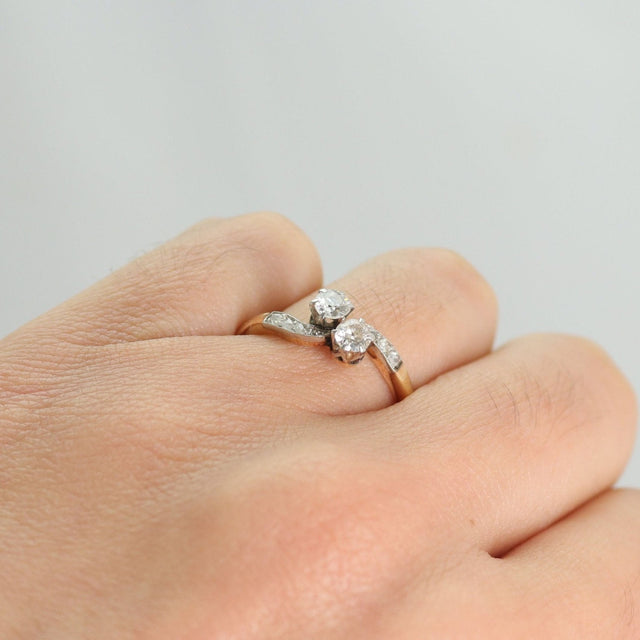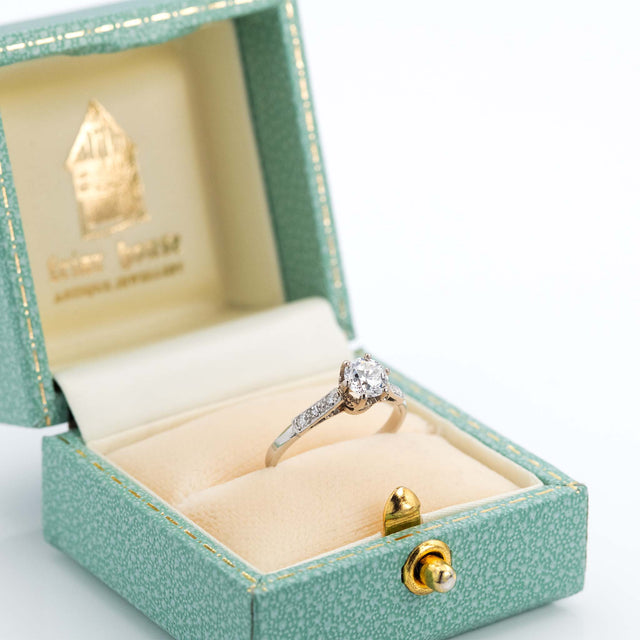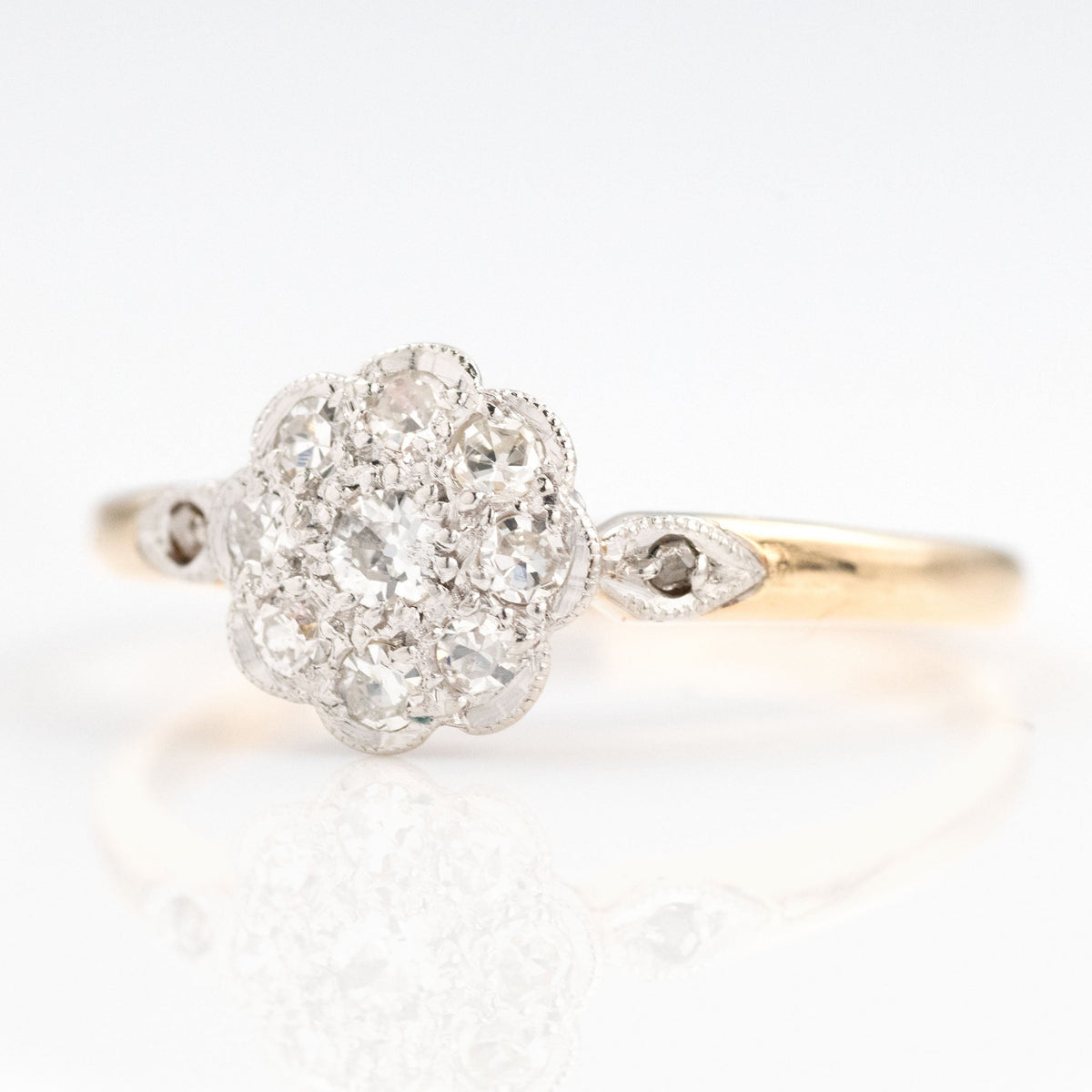
Buying antique diamond rings represents one of the most rewarding investments in vintage jewellery, combining historical significance with enduring beauty. These pieces carry stories from bygone eras whilst offering exceptional craftsmanship that modern manufacturing rarely matches. However, navigating the antique diamond market requires knowledge, patience, and an understanding of what separates genuine treasures from disappointing purchases.
At Friar House, we've spent over three decades helping collectors and enthusiasts discover exceptional pieces that will be cherished for generations. Whether you're seeking a unique engagement ring or building a collection of period jewellery, understanding the fundamentals of antique diamond evaluation will ensure you make informed decisions and avoid costly mistakes.
Understanding Antique Diamond Cuts and Their Value
The cut of an antique diamond differs dramatically from modern brilliant cuts, and recognising these differences is crucial for any serious buyer. Old mine cuts and old European cuts dominated the Georgian and Victorian periods, characterised by their hand-cut facets and distinctive charm that machine cutting cannot replicate.
Old mine cuts, popular from the 1700s through the 1880s, feature a cushion-like shape with a large culet (the flat facet at the bottom) and a smaller table (the flat top facet). These diamonds often appear less brilliant than modern stones but possess a romantic, candlelit sparkle that perfectly suited the gas and candlelit interiors of their era.

Old European cuts emerged in the late Victorian period and continued through the Edwardian era. These rounds feature a smaller culet than old mine cuts but retain the hand-cut irregularities that give each stone unique character. The facet patterns create beautiful flashes of light that differ markedly from today's precision-cut diamonds.
Understanding these cuts helps you appreciate why antique diamonds may appear less fiery than modern stones. This isn't a flaw—it's an authentic characteristic that adds to their historical value and distinctive appeal.
Evaluating Diamond Quality in Antique Diamond Rings
Assessing diamond quality in antique pieces requires adapting modern grading standards to historical context. The famous "Four Cs"—cut, colour, clarity, and carat—still apply, but with important considerations for aged stones.
Colour in antique diamonds often shows more warmth than contemporary preferences might suggest. Many Victorian and Edwardian rings feature diamonds with slight yellow or brown tints that were perfectly acceptable for their period. These warmer tones can actually enhance the romantic character of antique settings, particularly when paired with rose gold or silver.
Clarity assessment must account for the cutting techniques and mining methods of earlier eras. Small inclusions or surface characteristics that developed over decades of wear shouldn't automatically disqualify a piece. Instead, focus on whether inclusions affect the stone's structural integrity or significantly impact its beauty.
The carat weight of antique diamonds was often calculated differently than modern standards, so don't expect perfect correspondence with contemporary measurements. What matters more is the visual impact and how well the stone suits its setting.
Authenticity and Period Identification
Determining the authentic age and provenance of vintage diamond rings requires examining both the diamonds and their settings. Mounting styles, metal composition, and construction techniques provide crucial clues about a piece's true age and origin.
Victorian rings (1837-1901) often feature intricate hand-engraving, rose-cut diamonds in supporting roles, and distinctive motifs like flowers, hearts, or serpents. The metalwork typically shows tool marks from hand-fabrication, and settings may include closed backs that were standard practice before modern understanding of light reflection.
Edwardian pieces (1901-1910) demonstrate the era's fascination with delicate, lace-like platinum work. These rings frequently incorporate milgrain detailing—tiny beaded edges created by hand tools—and openwork designs that maximise light flow around the diamonds.
Art Deco rings from the 1920s and 1930s showcase geometric designs, contrasting gemstones, and bold architectural lines. The platinum work becomes more substantial, and diamond cutting begins transitioning toward modern brilliant cuts.
Be wary of "antique-style" rings that mimic period designs but lack authentic construction methods. Modern casting techniques, machine-perfect engravings, and contemporary diamond cuts in supposedly Victorian settings should raise immediate red flags.
What Affects Value and Investment Potential
Several factors influence the value of antique diamond rings beyond basic diamond quality. Rarity, historical significance, maker attribution, and condition all play crucial roles in determining both current worth and future appreciation potential.

Documented provenance significantly enhances value, particularly if you can trace ownership history or connect the piece to notable makers or retailers. Original boxes, receipts, or family documentation add substantial premium to exceptional pieces.
The setting's condition affects value as much as the diamond itself. Original, unaltered mountings in good repair command higher prices than pieces showing significant modification or poor restoration attempts. Missing stones, resized shanks, or replacement parts reduce both monetary and historical value.
Market trends also influence antique diamond values. Currently, Georgian and early Victorian pieces show strong appreciation, whilst certain Art Deco designs have become particularly sought-after. However, buying purely for investment should never overshadow personal appreciation—the best antique jewellery purchases satisfy both emotional and financial criteria.
Making Your Purchase Decision
When you're ready to acquire antique diamond rings, prioritise reputable dealers with established expertise and transparent policies. Professional associations like LAPADA provide additional assurance through their strict membership standards and ethical requirements.
Request detailed condition reports and, for significant purchases, consider independent appraisals from qualified professionals. Reputable dealers welcome such scrutiny and often provide comprehensive documentation about their pieces.
Don't rush important decisions. Exceptional antique diamond rings deserve careful consideration, and pressure tactics should immediately raise concerns about a dealer's credibility.
Finally, ensure you understand return policies, authenticity guarantees, and any restoration work performed on the piece. Honest dealers disclose all relevant information and stand behind their attributions.
Acquiring antique diamond rings offers the unique pleasure of owning jewellery that bridges centuries whilst providing daily enjoyment. By understanding period characteristics, diamond evaluation, and market factors, you'll approach purchases with confidence and avoid common pitfalls that catch inexperienced buyers.
Remember that the finest antique diamond rings combine historical significance with personal appeal—technical perfection matters less than the emotional connection you feel with a particular piece. Trust your instincts whilst applying the knowledge you've gained, and don't hesitate to seek expert guidance when needed.
Ready to discover your perfect piece? Browse our selection of diamond engagement rings to explore carefully curated antique and vintage pieces, each authenticated and described with the detail serious collectors deserve.