When considering antique pearl jewellery, you're looking at pieces that combine nature's most elegant gem with the craftsmanship of bygone eras. These timeless treasures offer both enduring beauty and potential investment value, but knowing what to look for is essential to making a confident purchase.
With over three decades of experience in antique jewellery, I've seen countless pearl pieces pass through our doors at Friar House. Each tells a story through its lustre, design, and provenance. Whether you're drawn to a delicate Edwardian pendant or a statement Art Deco necklace, understanding the fundamentals of pearl quality and historical context will guide you towards a piece you'll treasure for years to come.
Understanding Pearl Types in Antique Jewellery
Natural pearls dominate genuine antique pieces, particularly those created before the 1920s when cultured pearls became widely available. These organic gems formed without human intervention, making them rarer and often more valuable than their cultured counterparts.
Saltwater pearls from oysters typically display superior lustre and more complex overtones than freshwater varieties. However, freshwater pearls from mussels appear frequently in Victorian and earlier Georgian pieces, often exhibiting baroque shapes that add character and uniqueness.
The introduction of cultured pearls by Mikimoto in the early 20th century revolutionised the market. Many Art Deco pieces feature these early cultured examples, which can still hold significant value due to their age and the quality of their settings.
Seed pearls deserve special mention in antique contexts. These tiny natural pearls, often just 2mm or smaller, were extensively used in Georgian and Victorian jewellery to create intricate patterns and borders. Their labour-intensive setting makes original seed pearl pieces particularly sought after today.
Assessing Pearl Quality and Authenticity
Lustre remains the most critical factor in determining a pearl's quality and value. High-quality antique pearls should display a deep, mirror-like reflection with sharp contrast between light and dark areas. Poor lustre often indicates damage or inferior quality that significantly impacts value.
Surface quality varies considerably in antique pieces. Minor blemishes are acceptable and expected in natural pearls, but deep cracks or extensive pitting can compromise both beauty and structural integrity. Some surface characteristics actually help confirm natural origin, as perfectly smooth surfaces often indicate modern cultured pearls.
Nacre thickness affects both appearance and longevity. Thick nacre provides rich colour depth and protects against wear. In older pieces, examine areas around drill holes for signs of nacre wear, which can indicate either extensive use or thin original coating.
The tooth test offers a simple authenticity check: gently rub the pearl against your front teeth. Real pearls feel slightly gritty due to their crystalline structure, while imitations feel smooth. However, exercise extreme caution with this method on valuable pieces, as excessive pressure can cause damage.
Shape preferences have evolved throughout history. Perfect rounds were prized in Victorian era pieces, while Art Deco designers often embraced baroque and drop shapes for their artistic potential.
Historical Periods and Their Distinctive Styles
Georgian period pearl jewellery (1714-1837) often features elaborate settings incorporating seed pearls alongside larger specimens. These pieces typically use closed-back settings and may show signs of age-appropriate wear. The craftsmanship is usually exceptional, reflecting the hand-made nature of all components.
Victorian era brought diverse pearl styles across its three distinct periods. Early Victorian pieces tend towards romantic designs with natural pearl drops and floral motifs. The later Victorian period saw bolder designs and the introduction of more uniform cultured pearls in some pieces.

Edwardian jewellery (1901-1910) epitomises refined elegance in pearl usage. This period's pieces often feature delicate platinum or white gold settings that enhance the pearls' natural luminosity. The workmanship is typically superb, reflecting the era's emphasis on technical precision.
Art Deco designs from the 1920s and 1930s transformed pearl jewellery with geometric patterns and bold contrasts. These pieces might incorporate pearls alongside diamonds, onyx, or coral in striking linear arrangements that remain remarkably contemporary.
Investment Considerations for Vintage Pearl Jewellery
Market value depends heavily on provenance and documentation. Pieces with clear attribution to known makers or historical ownership command premium prices. However, even unsigned pieces can offer excellent value if the craftsmanship and materials meet high standards.
Rarity factors significantly impact investment potential. Natural pearl pieces from before 1920 are increasingly scarce, particularly in excellent condition. Seed pearl jewellery has seen notable appreciation due to the impossibility of recreating such labour-intensive work economically today.
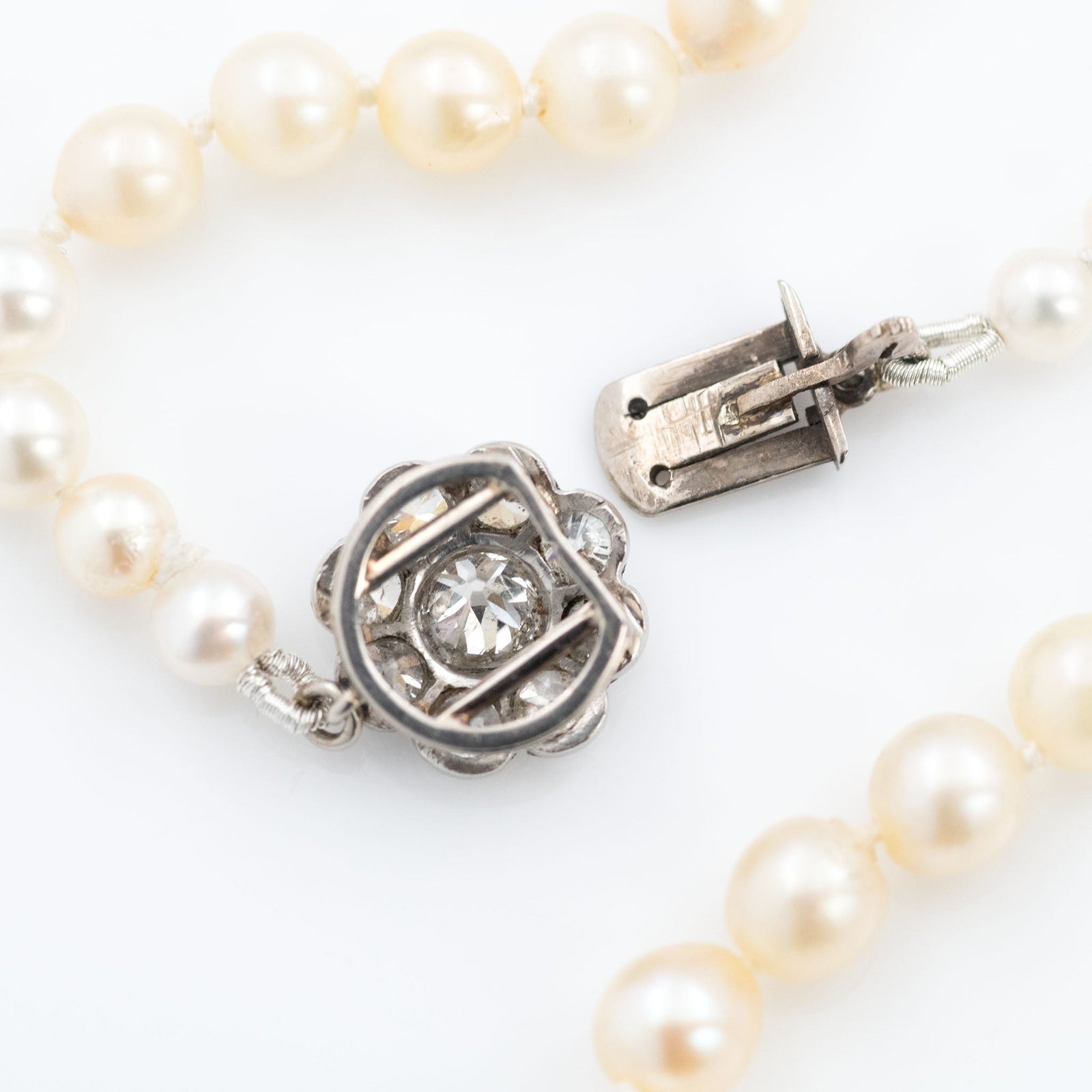
Size and matching affect value considerably in pearl necklaces and sets. Well-graduated strands with consistent colour and lustre are particularly desirable. However, slight variations can indicate natural origin and shouldn't necessarily be viewed negatively.
Setting quality often proves as important as the pearls themselves. Original period settings in good condition preserve historical integrity and often feature superior craftsmanship compared to modern reproductions.
Consider maintenance requirements when evaluating investment potential. Antique pearls require careful handling and appropriate storage, but well-maintained pieces can appreciate steadily over time while providing wearing pleasure.
Making Your Purchase Decision
Examine any potential purchase under various lighting conditions. Natural daylight provides the most accurate representation of colour and lustre, while artificial lighting can mask imperfections or create false impressions.
Request detailed information about any restoration work. Professional restoration can preserve valuable pieces, but extensive modifications may impact historical significance and market value.
Consider your intended use carefully. Daily wear pieces should prioritise durability and practical settings, while occasional wear allows for more delicate or elaborate designs that showcase the pearls' beauty.
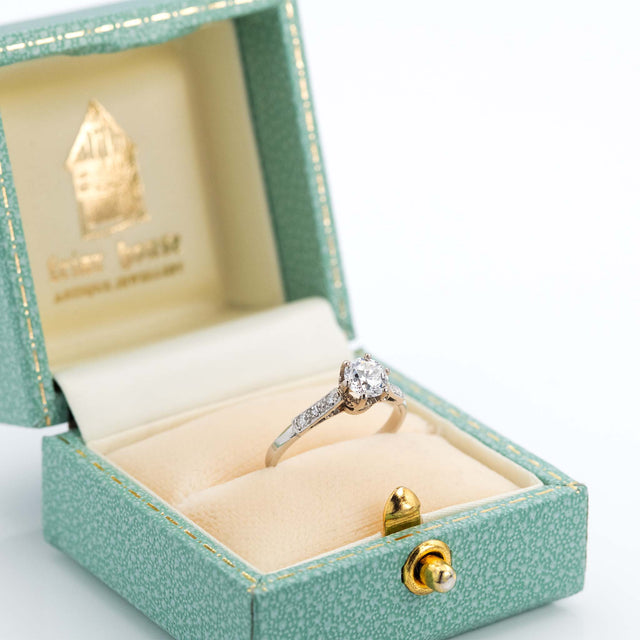
Documentation adds both historical interest and potential value. Original boxes, receipts, or family history can significantly enhance a piece's appeal and market position.
Trust reputable dealers who provide detailed descriptions and stand behind their attributions. LAPADA membership or similar professional affiliations indicate commitment to ethical practices and expertise.
Acquiring antique pearl jewellery offers the opportunity to own pieces that combine natural beauty with historical significance. Understanding quality factors, period characteristics, and market dynamics enables confident purchasing decisions that can provide both personal enjoyment and investment appreciation.
The key lies in buying from knowledgeable sources who can provide accurate information about age, origin, and condition. Take time to examine pieces carefully, ask detailed questions, and trust your instincts about both the jewellery and the dealer.
Ready to discover your perfect piece? Browse our pearl jewellery collection to explore carefully selected antique and vintage pearl pieces, each chosen for quality, authenticity, and enduring beauty.