If you've ever wondered "what is my birthstone?" you're not alone. This ancient tradition of associating specific gemstones with birth months has captivated jewellery lovers for centuries, creating deeply personal connections between precious stones and the people who wear them.
At Friar House, I've spent over three decades helping clients discover perfect pieces that speak to their hearts. Birthstone jewellery holds a particularly special place in antique collections, as these gems were often chosen not just for their beauty, but for the profound meanings our ancestors believed they held.
The tradition of birthstones connects us to generations past, where gemstones were treasured not only as symbols of wealth and status, but as protective talismans and sources of spiritual strength. Today, understanding your birthstone opens a window into both personal significance and centuries of fascinating history.
The History Behind Monthly Birthstones
The concept of birthstones traces back to the biblical Breastplate of Aaron, which featured twelve precious stones representing the twelve tribes of Israel. However, the modern tradition of wearing your birth month's stone developed much later, becoming popular during the 18th and 19th centuries.
Georgian and Victorian jewellers embraced birthstone symbolism wholeheartedly, creating elaborate pieces that celebrated both the wearer's birth month and the mystical properties attributed to each gem. During this period, birthstone meanings became deeply intertwined with romantic sentiment and family heritage.
The official modern birthstone list was established by the American National Retail Jewellers Association in 1912, though many of the traditional associations remain unchanged from centuries earlier. This standardisation helped create the birthstone guide we recognise today, though regional variations and historical alternatives still exist.
Your Complete Monthly Birthstone Guide
Understanding whats my birthstone means exploring the full calendar of these magnificent gems, each carrying its own unique character and significance.
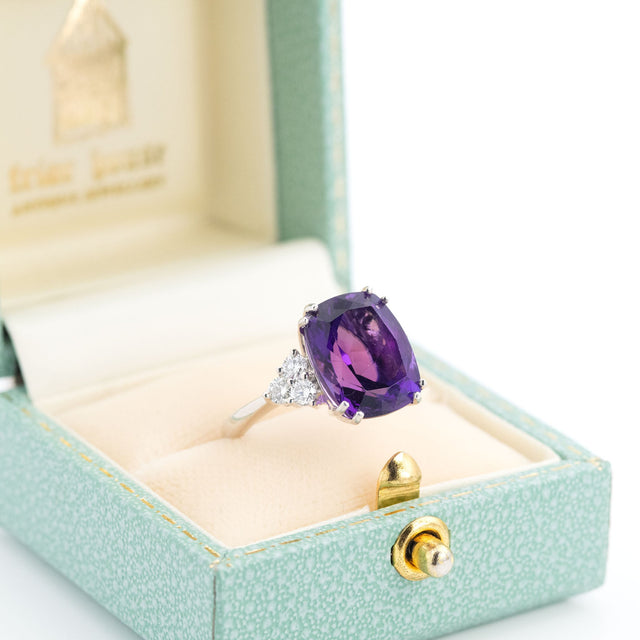
January through March brings us garnet, amethyst, and aquamarine respectively. Garnet, with its deep red glow, symbolises protection and strength. February's amethyst, prized by royalty throughout history, represents clarity and spiritual wisdom. March's aquamarine, reminiscent of clear ocean waters, embodies tranquillity and courage.
Spring and summer months showcase diamond (April), emerald (May), and pearl, alexandrite or moonstone (June). Emerald has long been associated with rebirth and love, making it particularly meaningful in antique engagement rings. Pearls represent purity and wisdom, whilst June's alternatives offer either colour-changing magic (alexandrite) or mysterious lunar connections (moonstone).
July through September features ruby, peridot, and sapphire. Ruby, the king of gemstones, symbolises passion and vitality. August's bright green peridot represents strength and healing, whilst September's sapphire embodies loyalty and nobility - explaining its enduring popularity in royal jewellery collections.
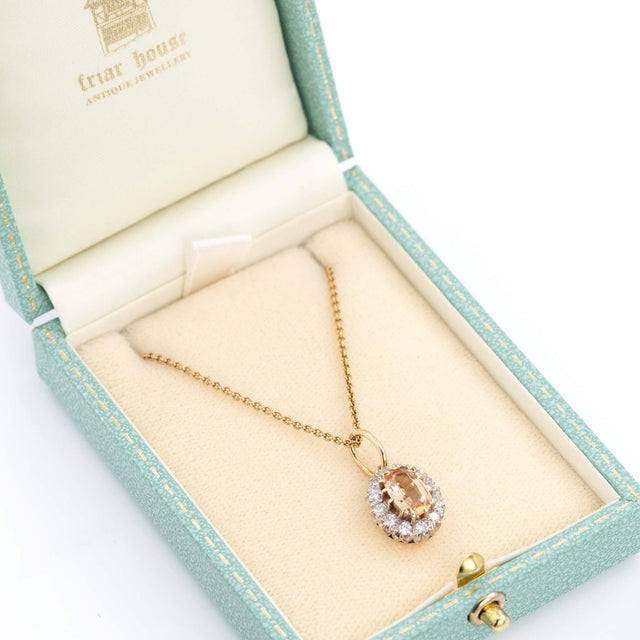
The year concludes with opal (October), topaz or citrine (November), and turquoise or tanzanite (December). Each carries distinct energy: opal's play of colour represents creativity, topaz brings friendship and strength, whilst December's options offer either protective qualities (turquoise) or spiritual awareness (tanzanite).
Understanding Birthstone Meanings and Symbolism
Birthstone meanings developed through centuries of cultural beliefs, folklore, and observed connections between gemstones and human experience. These associations weren't merely decorative choices - our ancestors genuinely believed in the protective and enhancing properties of their birth gems.
Victorian jewellery particularly embraced symbolic meaning, with birthstones often incorporated into mourning jewellery, romantic gifts, and family heirlooms. A grandmother might commission a brooch featuring the birthstones of all her grandchildren, creating a tangible representation of family bonds.
The symbolism extends beyond individual stones to encompass the craftsmanship and settings of different eras. Edwardian birthstone pieces often emphasised delicate, feminine designs that enhanced the stone's natural beauty, whilst Art Deco jewellery presented birthstones in bold, geometric settings that reflected the period's modern aesthetic.
Many clients discover that their attraction to certain antique pieces stems from an unconscious connection to their birthstone's traditional meanings. A July-born client might find herself drawn to ruby pieces that embody the passion and vitality she feels within herself.
Choosing Antique Birthstone Jewellery
Selecting antique birthstone jewellery requires understanding both the stone's historical significance and the period's distinctive characteristics. Georgian birthstone pieces often feature closed-back settings and rose-cut stones, creating a romantic, candlelit glow that modern cutting cannot replicate.
Victorian examples showcase incredible variety, from delicate seed pearl work for May birthdays to elaborate garnet parures for January celebrations. The Victorians' love of sentiment means these pieces often incorporate additional symbolic elements - hearts, flowers, or meaningful inscriptions that enhance the birthstone's personal significance.
Art Deco birthstone jewellery presents these traditional gems in revolutionary new ways. Clean lines, geometric patterns, and innovative settings transformed classic stones into thoroughly modern statements, perfect for today's sophisticated wearer.
Quality considerations remain paramount when selecting antique birthstone pieces. Natural stones from historical periods often display characteristics that prove their authenticity - tiny inclusions, subtle colour variations, and the distinctive lustre that develops over decades of careful wearing.
Caring for Your Birthstone Legacy
Antique birthstone jewellery requires understanding each gem's specific needs alongside general antique jewellery care principles. Softer stones like pearls and opals demand gentle handling and careful storage, whilst harder gems like rubies and sapphires can withstand more robust cleaning methods.
Monthly birthstones vary dramatically in hardness and stability. Your birthstone's position on the Mohs scale determines appropriate cleaning methods and wearing occasions. Emeralds, despite their beauty and value, require particular care due to their inherent inclusions and relative softness.
Storage becomes crucial for preserving both the gemstones and their antique settings. Individual soft pouches prevent scratching, whilst avoiding extreme temperature changes protects both stones and period metalwork. Regular professional inspection ensures these treasures continue their journey through generations.
The patina and character that develop in antique settings actually enhance the overall beauty of birthstone pieces, creating depth and authenticity that new jewellery cannot replicate.
Discover your Birthstone at Friar House
Discovering what is your birthstone opens a personal gateway into centuries of tradition, symbolism, and exquisite craftsmanship. These monthly gemstones connect us to our birth month's unique energy whilst celebrating the artistic achievements of past generations.
At Friar House, we understand that choosing birthstone jewellery means finding pieces that speak to both heart and heritage. Whether you're drawn to your traditional birthstone or discovering new connections through antique examples, these gems offer timeless beauty enhanced by historical significance.
Your birthstone journey awaits in our carefully curated collection, where each piece carries the stories and craftsmanship of bygone eras, ready to begin new chapters with you.
Explore our vintage and antique rings collection to discover exceptional birthstone pieces that celebrate both your personal story and jewellery's magnificent history.