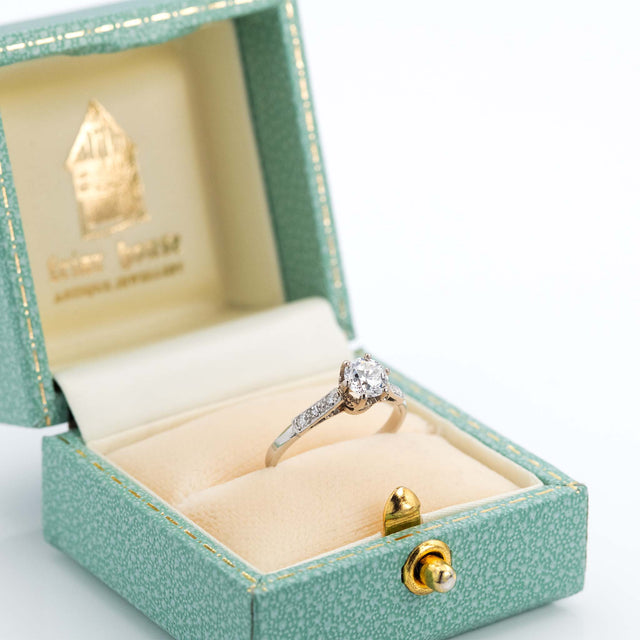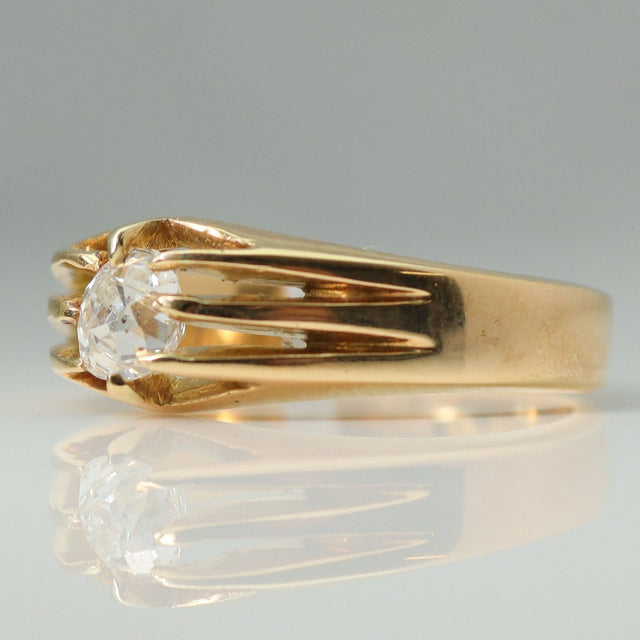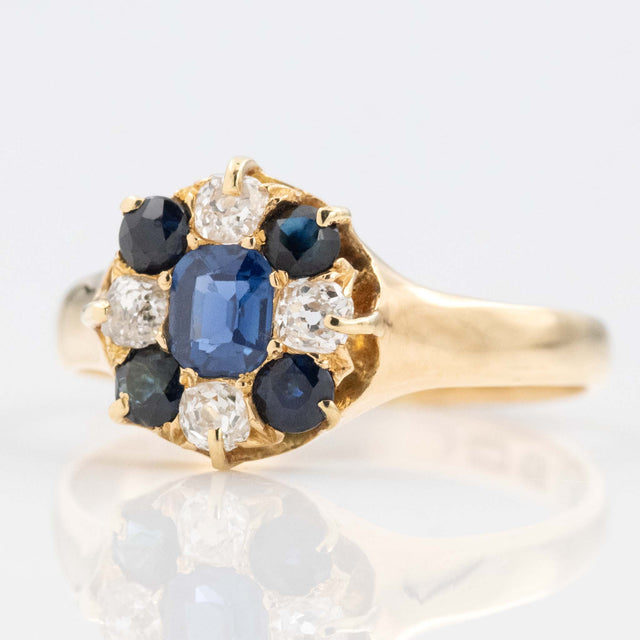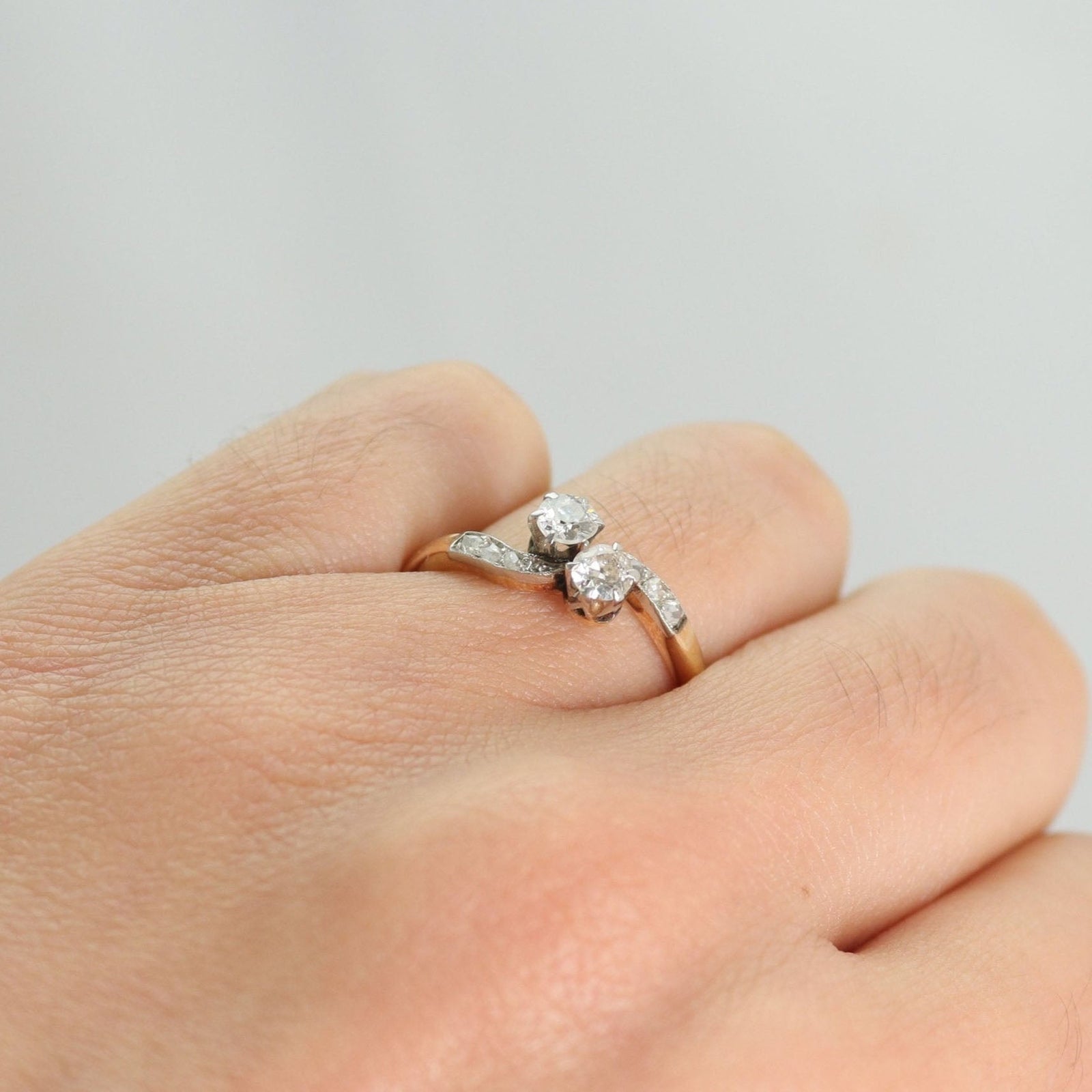
Choosing a two stone ring is rarely a quick decision, and it shouldn't be. Whether you're marking an engagement, an anniversary, or simply treating yourself to a piece with real character, a two stone ring carries symbolism and craftsmanship that a single solitaire doesn't quite capture. This guide walks through what to look for, what affects value, and how to buy with confidence.

What Does a Two Stone Ring Symbolise?
Understanding the history behind two stone diamond rings helps explain why these rings have remained popular for well over a century. Two stones set side by side are traditionally read as representing a pair, whether that's two people, two moments in time, or the past and future coming together. This is often called the toi et moi design, French for "you and me," a style favoured by romantics since the Georgian era and famously associated with historic royal engagements.
Unlike a single stone, which tends to symbolise one focal moment, a two stone arrangement suggests partnership and balance. Some buyers choose matching diamonds for unity; others prefer contrasting stones, such as a diamond paired with a sapphire or a coloured gem, to represent two distinct personalities joined together. There's no single correct meaning here, which is part of the appeal.
What to Look for When Buying a Two Stone Ring
Quality assessment starts with the stones themselves. Look closely at how well matched they are in size, colour, and cut, unless the design intentionally uses contrasting stones. In antique pieces, slight variation is normal and often adds character rather than detracting from value, but it should be a deliberate feature rather than an oversight.
Check the setting carefully. Claw settings should hold each stone securely without excessive metal hiding the stone's spread. Look at the shoulders and gallery of the ring too, as this is often where you'll see the finest hand engraving or millegrain detailing on genuinely old pieces.
Metal quality matters just as much as the stones. Hallmarks tell you a great deal about age, metal purity, and origin, so ask to see clear photographs or descriptions of any marks before buying. A reputable seller should be able to explain what the hallmarks indicate and roughly when the ring was made.

Authenticity and Age: What Sets an Antique Two Stone Ring Apart
An antique two stone ring should show consistent signs of its period, not just in style but in construction. Victorian pieces typically feature closed-back settings and foiled stones, Edwardian rings lean towards platinum and delicate millegrain work, while Art Deco designs favour geometric lines and contrasting colour combinations.
Be wary of rings described vaguely as "antique style" or "vintage inspired," as these terms often mean a modern reproduction rather than a piece with genuine age. A trustworthy dealer will state the period clearly and be able to answer questions about how that estimate was reached, whether through hallmarks, construction techniques, or documented provenance.
It's also worth asking whether stones have been replaced or the ring altered at any point. This isn't unusual for pieces that are decades or centuries old, and it doesn't necessarily reduce desirability, but it should be disclosed honestly rather than left for you to discover later.
Choosing the Right Style for You
Two stone rings vary enormously in layout and proportion. Some sit the stones horizontally across the finger, a classic toi et moi arrangement, while others stack them vertically for a more streamlined look. Consider how the ring will sit against your hand and whether you prefer a design that reads as one unified piece or two clearly separate stones.
Think practically about wear too. Rings worn daily need settings robust enough for everyday knocks, so ask about the security of the claws and whether the ring has been checked or restored recently. A ring intended for special occasions only can perhaps afford slightly more delicate detailing.
If you're drawn to the history and craftsmanship of older pieces, browse our antique diamond two stone rings to see how these design principles play out across different periods and styles.
What to Avoid When Buying
A few common pitfalls catch out buyers new to antique jewellery. Avoid sellers who won't provide clear photographs of hallmarks, undersides of settings, or close-up shots of the stones themselves. Vague descriptions ("diamonds," without carat weight or clarity indication) should prompt further questions rather than assumptions.
Be cautious of pricing that seems disconnected from the stated age, metal, and stone quality, in either direction. A price far below similar pieces often signals an issue with authenticity or condition, while unusually high pricing without clear justification is worth questioning too. Reputable dealers, particularly those affiliated with recognised trade bodies, are generally transparent about how they arrive at valuations.
Finally, don't skip asking about returns or condition reports. A seller confident in their stock will happily provide detailed information and stand behind what they're selling.

Finding the Right Piece
Choosing a two stone ring is as much about understanding its history and craftsmanship as it is about finding a design you love. Take your time, ask questions about hallmarks, stone quality, and period authenticity, and don't be afraid to request more photographs or details before committing. A well-chosen antique piece should come with clear information, not just a compelling story.
At Friar House, every piece is described honestly, with attention to age, condition, and provenance, so you can buy with confidence rather than guesswork. Browse our antique diamond two stone rings collection to find a piece with genuine history and lasting appeal.