How to Choose an Antique Dress Ring: A Buyer's Guide to Statement Style and Quality
A good dress ring should feel like a small event every time you put it on. Bold, beautifully made and full of character, these rings were designed to be noticed, whether set with a single striking stone or a cluster of colour and sparkle. This antique dress ring buying guide will walk you through what to look for, how to judge quality, and what affects value, so you can buy with confidence rather than guesswork.
At Friar House, we've spent over thirty years handling these pieces, and we still find something new to admire in every era. Victorian, Edwardian, Art Deco and later vintage designs each bring their own character to a dress ring, and understanding those differences makes all the difference when you're choosing one to wear.
What Exactly Is a Dress Ring?
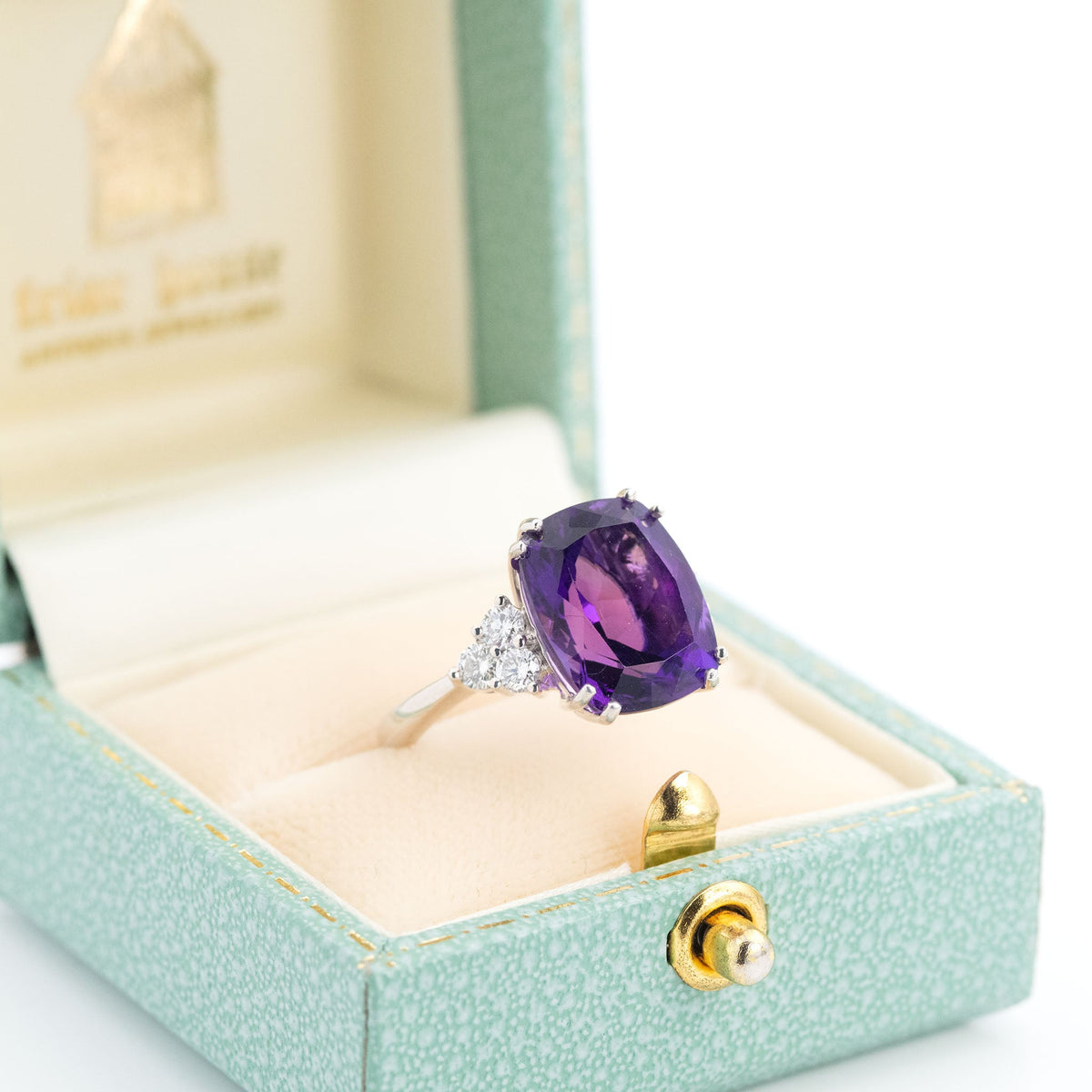
A dress ring is simply a ring worn for decoration rather than to signify engagement or marriage. It's typically larger and more eye-catching than an everyday ring, often featuring a sizeable central stone, a cluster setting, or an unusual design that draws the eye. The term overlaps closely with antique cocktail ring, a style that became especially popular from the 1920s onwards as women embraced bolder, more playful jewellery for evening wear.
Because dress rings weren't bound by the conventions of engagement jewellery, makers had more creative freedom. You'll find unusual stone combinations, inventive settings, and designs that reflect the fashions of their time far more vividly than a traditional solitaire might. This is part of what makes a vintage statement ring so appealing today: each one tells you something about the period it came from.
How to Judge Quality and Authenticity
When you're thinkingabout how to buy a dress ring, quality assessment starts with the metal and the setting, not just the stone. Look closely at the hallmark, if there is one. British hallmarks can tell you the metal purity, the assay office, and often the year of manufacture, which is invaluable for dating a piece accurately.
Examine the setting itself. Hand-cut claws, slightly irregular stone cuts, and fine, detailed metalwork are all signs of pre-mass-production craftsmanship. Older stones were often cut by eye rather than machine, so a certain amount of asymmetry in an antique stone is entirely normal and not a fault.
It's also worth checking the condition of the shank and setting for wear or repair. A little softening of engraving or a slightly thinned band is expected in a ring that's a century old, but any loose stones or unstable settings should be addressed before you wear the piece regularly. A reputable seller will always be upfront about repairs, replacements, or re-mountings, since honesty about a ring's history matters as much as its beauty.
What Affects the Value of an Antique Dress Ring
Several factors combine to determine value, and it rarely comes down to one thing alone. The quality and rarity of the stones matter, but so does the period, the condition, and the reputation or hallmark of the maker if known.
Design also plays a significant role. Art Deco pieces, for instance, tend to command strong interest because of their geometric precision and the craftsmanship involved in their intricate settings. Georgian and Victorian rings, meanwhere, are valued for their rarity and the hand-worked detail that's simply impossible to replicate with modern machinery.
Provenance can add further appeal, though not every ring comes with a documented history, and that's perfectly normal. What matters most is that the piece has been honestly described and properly assessed by someone who understands antique jewellery. This is where buying from a specialist, rather than a general retailer, really pays off.
Choosing a Style That Suits You
Dress rings come in such a wide variety of styles that it helps to think about how you'll actually wear one. A large, sculptural Art Deco design might suit someone who wants a true conversation piece, while a more delicate Edwardian cluster could feel better suited to daily wear.
Consider your hand shape and existing jewellery too. A wide band with a high setting will sit differently to a flatter, more streamlined design, and both will pair differently with rings you already wear alongside them. There's no wrong answer here, only what feels right and comfortable for you.
If you're drawn to colour, think about which stones complement your wardrobe and skin tone. Warm amber and citrine tones suit some people beautifully, while cooler sapphires or amethysts suit others. Trying pieces on, even via photographs and measurements from a seller, can help you visualise how a ring will actually look on your hand.
Buying with Confidence
The best way to avoid disappointment is to buy from someone who specialises in antique and vintage jewellery and can answer detailed questions about condition, hallmarks and provenance. Ask about the ring's age, the metal content, whether any stones have been replaced, and what condition the setting is in. A knowledgeable seller will welcome these questions rather than deflect them.
It's also sensible to ask about returns and authentication, particularly if you're buying online rather than handling the piece in person first. Clear photographs from multiple angles, honest condition notes, and a seller willing to discuss the ring in detail are all good signs you're buying from a trustworthy source.
Taking your time with these questions is a normal. The right piece is worth a little patience.
Finding Your Statement Ring
Choosing an antique dress ring is as much about personal connection as it is about ticking quality boxes. When you find a piece with the right history, craftsmanship and character, you'll know it, and that's exactly what this antique dress ring buying guide has been aimed at helping you to recognise.
If you're ready to start looking, browse our antique dress and cocktail rings collection to see the range of periods and styles we currently have available. Victoria and the team at Friar House are always happy to answer questions about any piece, so do get in touch if you'd like guidance before you buy.