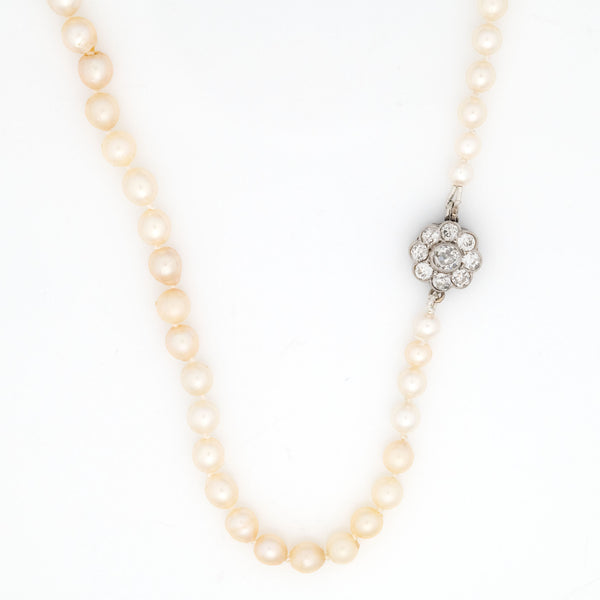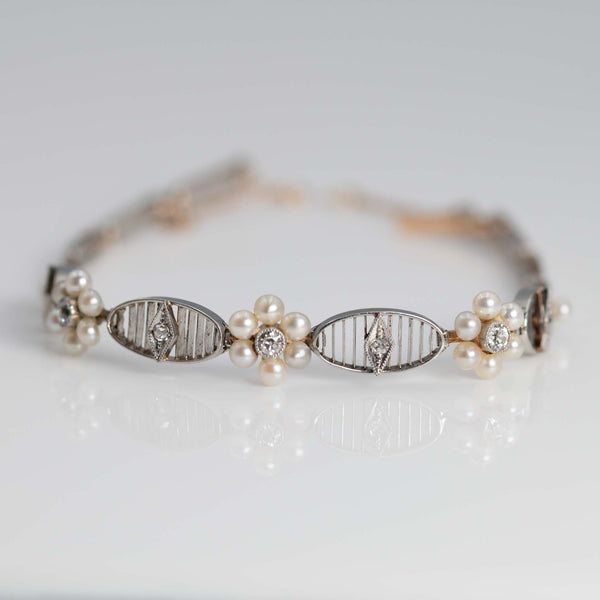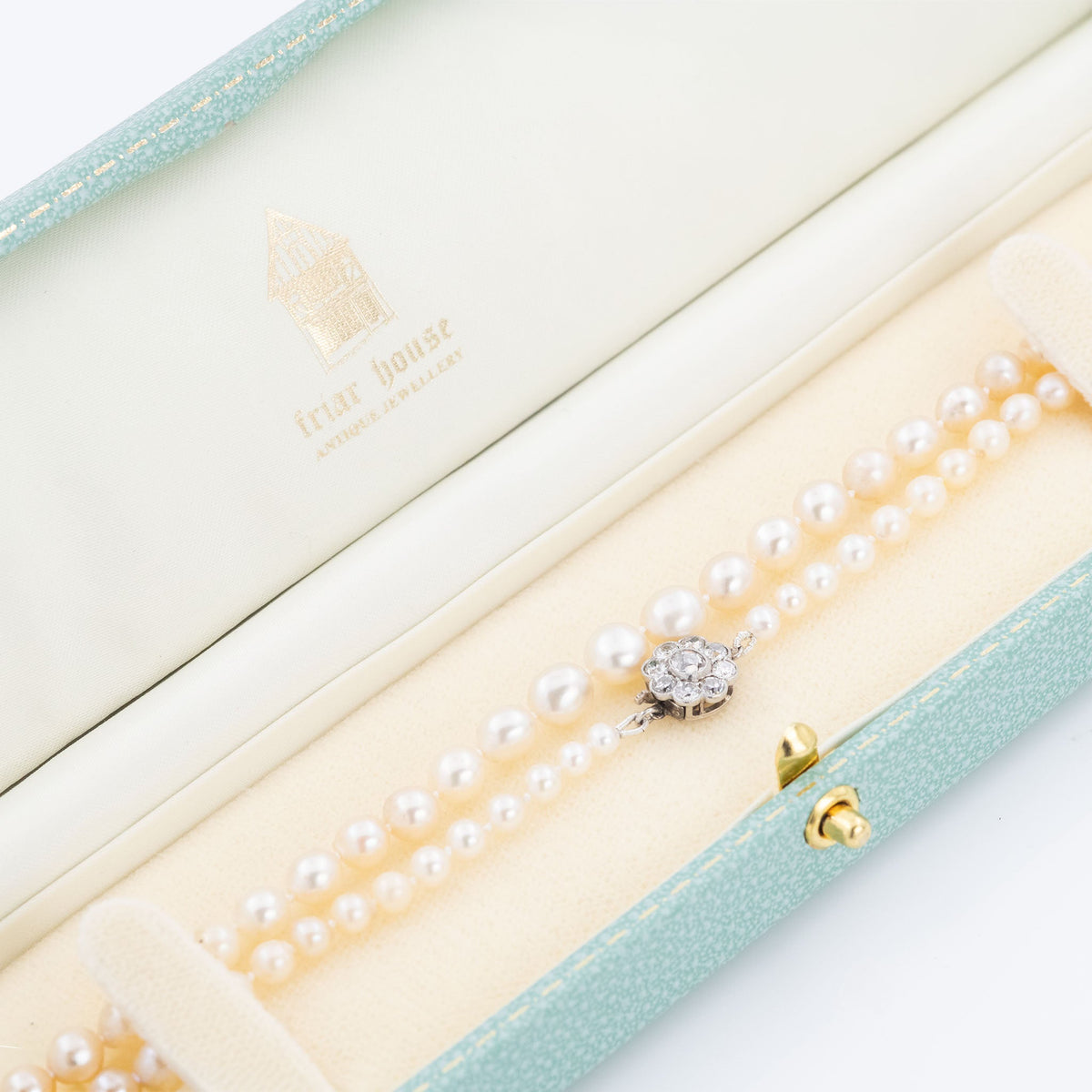
There is something almost miraculous about a pearl. Born inside a living creature — quietly, slowly, over months and years — it emerges as a gem of extraordinary lustre and perfection. Unlike every other precious stone, a pearl requires no cutting, no polishing, no transformation by human hands. It is perhaps this that has made pearls so uniquely beloved throughout human history: simultaneously the most natural and the most refined of all jewels.
Pearls in the Ancient World
The history of pearl jewellery stretches back thousands of years. In ancient China, pearls were considered tokens of great wisdom, gifted to royalty as early as 2000 BC. Greek and Roman women prized pearls above almost all other gems. In India, pearls were associated with the moon, purity, and divine favour. This universal reverence across vastly different cultures speaks to something fundamental in how humans respond to the pearl's soft, otherworldly radiance.
The Renaissance and the Age of Pearl Magnificence
Elizabeth I of England was famous for her passion for pearls, wearing them in extraordinary quantity to project an image of purity and regal magnificence. Natural pearls — those formed entirely without human intervention — were among the most valuable commodities in the world during this period. Before the development of cultured pearls in the early twentieth century, a single fine natural pearl necklace could represent a fortune.
Victorian and Edwardian Pearl Jewellery
In the Victorian period, pearls were frequently incorporated into mourning jewellery, seed pearl pieces, and romantic gift jewellery. Hairpins, lockets, brooches, and rings all featured pearls — often combined with diamonds, turquoise, coral, or jet.
The Edwardian era was perhaps the greatest period for pearl jewellery in terms of sheer elegance. Long pearl sautoir necklaces, pearl and diamond chokers, and pearl drop earrings became the defining jewellery of the period.
With the Art Deco period, pearls underwent a stylistic transformation. Long pearl ropes, knotted or clasped with gem-set platinum fittings, became emblematic of the era.
Natural vs Cultured Pearls
Natural pearls form entirely without human intervention; cultured pearls are formed when a farmer inserts a small bead or piece of tissue into a farmed oyster. Natural pearls are extraordinarily rare today — most pearl necklaces from before the 1920s contain natural pearls, and these pieces can be of considerable value.
Pearls as Symbols of Love and Celebration
Pearls are traditionally associated with purity, wisdom, and loyalty — ideal for engagement jewellery, anniversary gifts, and meaningful personal adornment. Pearls are the traditional gift for the 30th wedding anniversary.
Discover Pearl Jewellery at Friar House
Browse our antique necklaces and pendants collection or visit us in our shop in Battle, East Sussex. Every purchase comes with a full valuation certificate and free, fully insured worldwide shipping.