
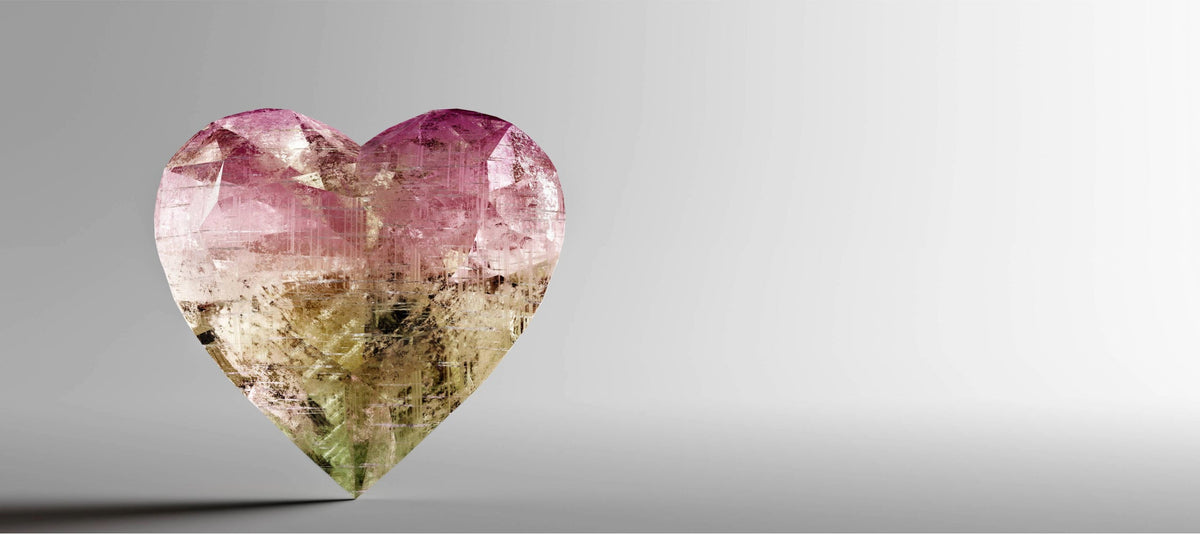
Jewellery has long held a special place in human culture, serving as more than mere adornment. It embodies tradition, status, personal identity, and most poignantly, love and romance. Among the myriad of jewellery styles and materials, gemstones—particularly precious and semi-precious gems—stand out as symbols of affection, commitment, and passion. This article explores the historical significance, cultural symbolism, and enduring influence of gemstones in jewellery, illuminating their profound connection with love and romance.
The Historical Significance of Gemstones in Jewellery
From ancient civilisation to modern times, gemstones have been treasured for their beauty, rarity, and supposed mystical properties. The earliest evidence of jewellery dates back thousands of years, with archaeological finds revealing rings, necklaces, and amulets crafted from shells, bones, and later, precious gemstones.
In ancient Egypt, the use of gemstones such as lapis lazuli and turquoise was prevalent, often associated with divine protection and royal power. The Egyptians believed that certain gemstones held spiritual significance and could influence health and fortune. Similarly, in Mesopotamian and Indus Valley cultures, gemstones were considered symbols of divine favour and were used in ceremonial adornments.
The Greeks and Romans adopted and adapted these traditions, attributing specific qualities to gemstones—such as sapphires symbolising wisdom and loyalty, and rubies representing passion and vitality. These associations persisted through the centuries, shaping the way jewellery was perceived and worn.
Symbolism and Cultural Significance of Gemstones
Throughout history and across cultures, gemstones have served as symbols of love and romance. The colour, rarity, and cultural meanings attached to particular gems imbue them with emotional significance.
Diamonds are perhaps the most iconic gemstone associated with love. Their brilliance and durability have made them the quintessential symbol of eternal love and commitment, especially in engagement rings. The tradition of giving a diamond engagement ring gained popularity in the 19th century, reinforced by marketing campaigns that linked diamonds with everlasting devotion.
Rubies are often associated with passion, desire, and the heart’s fiery emotions. Their deep red hue evokes love and intensity, making them popular choices for romantic jewellery.
Sapphires, traditionally associated with wisdom and fidelity, have long been used in engagement and wedding rings. The blue hue also symbolises trust and loyalty, reinforcing their romantic connotations.
Emeralds evoke renewal, rebirth, and love’s growth. Their lush green colour is often linked with harmony and compassion, making them a romantic choice for those seeking to symbolise enduring affection.
However, beyond these well-known gems, semi-precious gemstones such as amethyst, garnet, and turquoise have also been imbued with symbolic meanings, often tied to personal significance or cultural traditions.
The Romantic Rituals and Traditions
Jewellery involving gemstones has played a pivotal role in romantic rituals and ceremonies. Engagement rings, wedding bands, and anniversary gifts all often feature gemstones as symbols of love’s enduring nature.
Engagement rings, traditionally set with diamonds, are a modern evolution of ancient customs. The circular shape of the ring and its central gemstone represent eternity and unbroken love. The choice of a particular gemstone can also reflect personal or cultural sentiments; for example, a sapphire ring might be selected to symbolize fidelity.
Wedding bands are often simpler but sometimes incorporate gemstones that carry special meaning. In some cultures, the exchange of a ring with a specific gemstone signifies not only love but also societal status and familial bonds.
Anniversary jewellery frequently features personalised gemstones or gemstones linked to birth months or significant dates, acting as tangible memories of shared love.
In many cultures, the giving of jewellery containing gemstones during courtship or marriage is a rite that cements bonds and signifies lifelong commitment.
The Psychological and Emotional Impact of Gemstones
Beyond their symbolic meanings, gemstones in jewellery also influence emotional and psychological well-being. Crystals and gemstones are believed by many to possess metaphysical properties that can enhance love, harmony, and emotional balance.
For instance, rose quartz is known as the stone of unconditional love. It is said to open the heart chakra, fostering self-love and compassion, making jewellery containing rose quartz popular in romantic contexts.
Amethyst is believed to promote calmness and spiritual connection, which can strengthen emotional bonds.
Garnet, associated with passion and energy, is thought to reignite romantic desire and deepen intimacy.
While scientific evidence supporting these claims remains limited, the personal and cultural significance of these gemstones continues to make them meaningful choices in romantic jewellery.
Modern Trends and Personalisation
In contemporary times, the allure of gemstones in jewellery has evolved with trends in personalisation and ethical sourcing. Engraving, custom settings, and the use of birthstones allow individuals to create meaningful pieces that reflect their unique love stories.
Birthstones have become popular choices for romantic gifts, symbolising the month of birth and personal connection. For example, a couple might exchange rings featuring each other's birthstones, reinforcing their bond with a personalised touch.
Lab-grown diamonds and ethically sourced gemstones have gained prominence, aligning romantic gestures with social responsibility. These options allow couples to choose beautiful gemstones without contributing to environmental harm or unethical practices.
The rise of vintage and bespoke jewellery also means that gemstones are often selected not just for their beauty but for their historical or personal significance, adding layers of meaning to romantic gifts.
The Enduring Power of the Gemstone
Jewellery featuring gemstones continues to captivate hearts worldwide because of its deep symbolism, beauty, and emotional resonance. Whether as an engagement ring symbolising eternal love, a birthstone commemorating a special moment, or a piece of personalised jewellery celebrating a relationship, gemstones serve as enduring tokens of romance.
Their physical qualities—colour, clarity, cut, and carat—mirror the complexities and facets of love itself. The brilliance of a well-cut diamond reflects clarity and strength, while the deep red of a ruby echoes passion and desire.
Furthermore, the cultural narratives and traditions surrounding gemstones enrich their significance, making jewellery not merely decorative but profoundly meaningful.
Conclusion
From ancient rituals to contemporary expressions of love, gemstones have been central to jewellery that celebrates romance. Their symbolism, beauty, and personal significance continue to inspire lovers worldwide. As society evolves, so too does the way we select and perceive these precious and semi-precious gems, but their allure remains timeless.
Ultimately, jewellery with gemstones is more than ornamentation; it is a language of love, a testament to enduring bonds, and a celebration of human connection. Whether worn to mark a special occasion or as an everyday reminder of affection, gemstones in jewellery will forever be intertwined with the stories of love and romance they help tell.


