
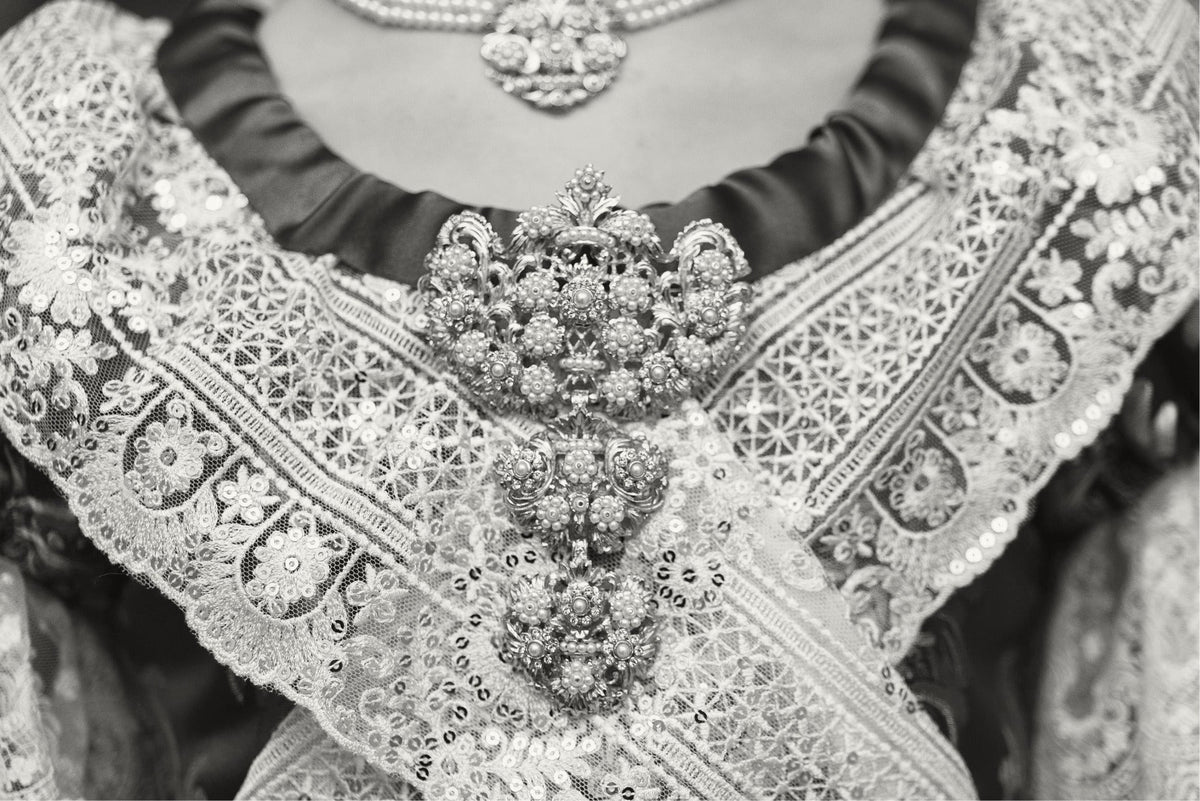
Jewellery has long been a reflection of culture, status, and personal style, acting as a tangible link between history and contemporary fashion. From the ornate crowns of monarchs to the understated elegance of modern accessories, jewellery’s evolution mirrors the shifting tides of societal values, technological advancements, and artistic expression. Among the most captivating facets of this evolution is the enduring influence of vintage jewellery — pieces that have stood the test of time and continue to inspire today’s designers and fashion enthusiasts alike.
In this exploration of fashion through the ages, we delve into how vintage jewellery—spanning centuries and styles—remains a vital source of inspiration for modern trends. The timeless appeal of vintage adornments, their craftsmanship, symbolism, and innovative reinterpretation, all contribute to a dynamic dialogue between the past and present.
The Allure of Vintage Jewellery: A Window into History
Vintage jewellery encompasses pieces that are at least 20-30 years old, often reflecting distinct design eras such as Victorian, Edwardian, Art Deco, Retro, and Mid-century Modern. Each period showcases unique craftsmanship, materials, and stylistic themes, offering a rich tapestry of artistic innovation.
Victorian jewellery (1837–1901), for example, is characterised by intricate gold work, sentimental motifs, and the use of natural themes like flowers, insects, and hearts. Its romantic and ornate aesthetic continues to influence contemporary romantic and bohemian styles.
The Edwardian period (1901–1915) is renowned for its delicate filigree work, platinum settings, and the use of coloured gemstones, creating an air of elegance and fragility that remains popular in vintage-inspired designs today.
The Art Deco era (1920s–1930s) revolutionised jewellery with geometric shapes, bold colours, and innovative cuts, embodying the spirit of modernity and glamour. This period’s influence is perhaps most evident in the minimalist yet striking designs of today’s fashion jewellery.
Retro jewellery (1940s–1950s) reflects a bold, exaggerated style with large stones, chunky gold, and playful motifs, echoing the optimism and exuberance of the post-war years.
Finally, Mid-century Modern pieces from the 1950s–1960s often feature sleek lines, statement brooches, and vibrant colours, blending elegance with a sense of fun and sophistication.
Understanding these varied styles provides insight into how vintage jewellery’s enduring appeal informs current trends, offering a palette of ideas for modern designers and fashion lovers.
Vintage as Inspiration: Reinterpreting the Past for Modern Style
The influence of vintage jewellery on contemporary fashion is pervasive, whether through direct replication, reinterpretation, or subtle nods to bygone eras. Designers and brands draw inspiration from vintage motifs, craftsmanship, and colour palettes to create collections that feel both timeless and current.
Revival of Art Deco Geometrics
Few styles encapsulate the glamour of the Roaring Twenties like Art Deco jewellery. Its bold geometric shapes, symmetrical patterns, and contrasting colours continue to inspire modern accessories. Contemporary brands often incorporate these elements into statement rings, earrings, and pendants, blending vintage aesthetics with modern materials such as resin, enamel, and mixed metals.
Sentimental Victorian Motifs
Victorian jewellery’s romantic symbolism — hearts, flowers, sentimental lockets — remains a favourite among those seeking meaningful accessories. Today’s designers incorporate vintage-inspired motifs into layered necklaces, charm bracelets, and engraved lockets that evoke personal stories and emotional connections.
Chunky Gold and Bold Statements
Retro jewellery’s exuberance, characterised by chunky gold chains, oversized rings, and large coloured stones, has experienced a resurgence in recent years. Modern fashion celebrates this boldness, often pairing oversized pieces with minimalist outfits for striking contrast.
Use of Coloured Gemstones and Enamel
Vintage pieces frequently feature vibrant coloured gemstones and enamel work. Current trends see a renewed appreciation for these elements, with designers creating colourful cocktail rings, stackable bangles, and earrings inspired by vintage palettes. These pieces add a playful, personalised touch to contemporary wardrobes.
Incorporation of Unique Materials and Techniques
Vintage jewellery often showcases craftsmanship techniques such as filigree, millegrain detailing, and hand-engraving. Modern artisans incorporate these intricate techniques into contemporary pieces, celebrating artisanal skills and adding historical depth.
Vintage Jewellery in Modern Fashion: A Cultural and Personal Statement
The resurgence of vintage jewellery in today’s fashion is not merely about aesthetics; it reflects a desire for authenticity, sustainability, and individuality. Many consumers seek unique pieces that tell a story, stand out from mass-produced accessories, and connect them to history and tradition.
Fashion houses and celebrities frequently embrace vintage-inspired jewellery for red carpet events and editorial shoots, elevating the trend into mainstream culture. For example, iconic pieces from the 1920s and 1950s grace Instagram feeds, inspiring a new generation to explore vintage markets and vintage-inspired collections.
Moreover, vintage jewellery often holds personal significance—an inherited brooch, a vintage engagement ring, or a rare signed piece from a renowned maker. These items become treasured heirlooms, embodying family history, love, and memory, which modern consumers continue to cherish and emulate.
The Sustainability Factor
In an era increasingly conscious of environmental impact, vintage jewellery offers a sustainable alternative to fast fashion and new production. Buying vintage reduces demand for newly mined gemstones and metals, minimising ecological harm. Reworking or reimagining vintage pieces into modern designs also promotes a circular approach to fashion, blending sustainability with style.
Designers and consumers alike appreciate the craftsmanship and durability of vintage jewellery, recognising that well-made pieces can last generations and adapt to evolving tastes.
How to Incorporate Vintage Inspiration into Your Wardrobe
Whether you’re a seasoned collector or a fashion newcomer, incorporating vintage jewellery into your look can be both effortless and striking. Here are some tips:
Layering is Key: Mix vintage and modern pieces for a personalised, eclectic style. Combine a Victorian locket with minimalist earrings or a bold Art Deco ring with contemporary rings for an eye-catching contrast.
Focus on Statement Pieces: Choose a vintage-inspired necklace, brooch, or bracelet that serves as the focal point of your outfit. A large coloured gemstone or a geometric design can elevate a simple look.
Embrace Colour and Texture: Vintage jewellery often features vibrant stones and intricate metalwork. Incorporate these elements into your wardrobe through accessories that add a pop of colour or tactile interest.
Invest in Quality: When buying vintage, look for well-crafted pieces with authentic markings or provenance. Proper care and maintenance will ensure they remain timeless treasures.
The Future of Vintage-Inspired Fashion
As fashion continues to evolve, the dialogue between past and present remains vibrant. Vintage jewellery’s influence is evident not only in high-end collections but also in fast fashion and bespoke artisan markets. The desire for unique, meaningful, and sustainable accessories ensures that vintage styles will continue to inspire future trends.
From the bold geometric lines of the Art Deco period to the romantic motifs of the Victorian era, vintage jewellery offers a rich source of inspiration for designers and wearers alike. It reminds us that true style is timeless—rooted in history, yet forever adaptable.
Conclusion
Fashion through the ages is a narrative of innovation, tradition, and personal expression. Vintage jewellery stands at the heart of this story, bridging generations with its craftsmanship, symbolism, and aesthetic appeal. As modern trends draw inspiration from bygone eras, we see a renewed appreciation for the artistry of the past and its enduring relevance.
Whether worn as a statement, a sentimental keepsake, or a sustainable choice, vintage jewellery continues to inspire and define the ever-evolving landscape of fashion. It reminds us that style is a dialogue across time—where the beauty of history enhances the creativity of today.


