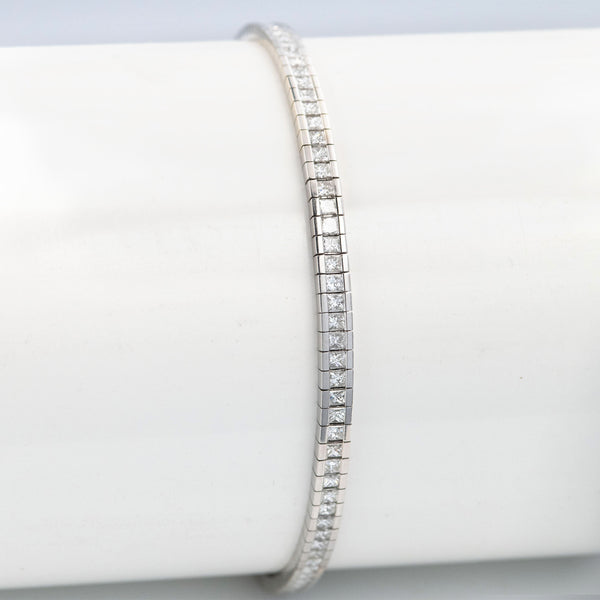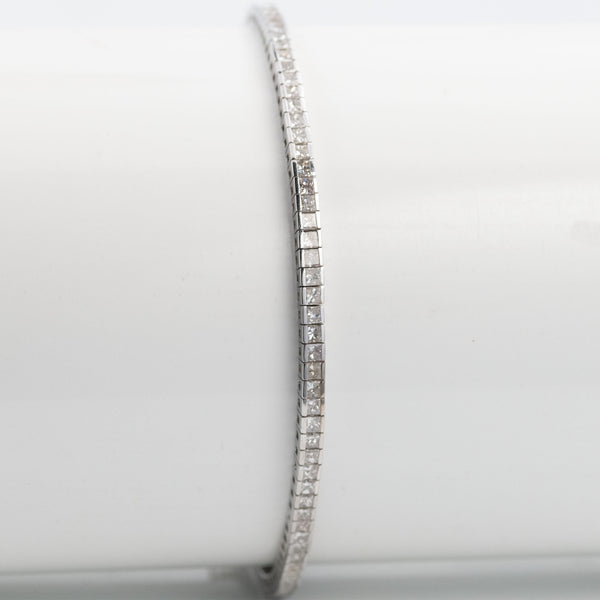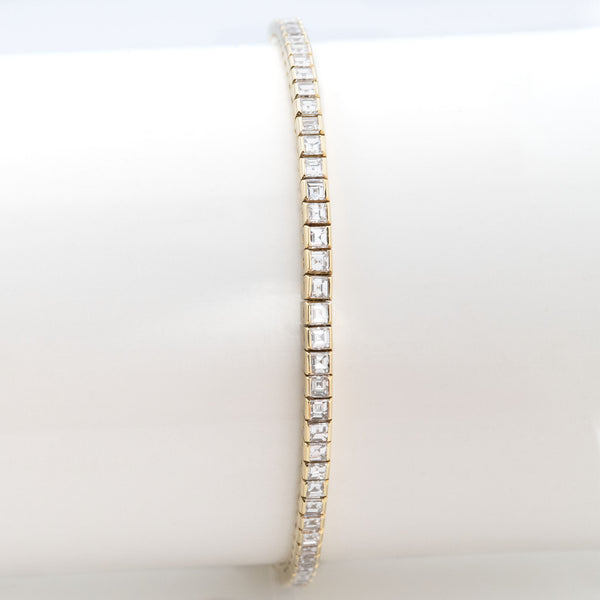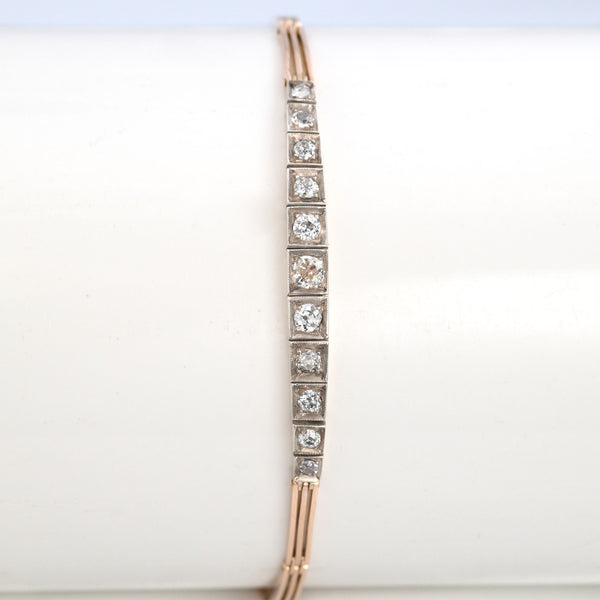
If you've ever browsed a cabinet of estate jewellery and felt uncertain where to start, you're not alone. Antique bracelets carry decades, sometimes centuries, of craftsmanship, and knowing what you're looking at makes all the difference. This antique bracelets buying guide is written to help you shop with confidence, whether you're buying your first piece or adding to an existing collection.
At Friar House, we've spent over 30 years handling Victorian, Edwardian, Art Deco, Georgian and vintage jewellery, and bracelets are among the pieces we're asked about most often. They're wearable history, and unlike some antique jewellery categories, many styles suit everyday use as well as special occasions. Let's look at what makes each era distinctive and what to check before you buy.
Understanding Victorian Bracelet Styles
The Victorian era spans over 60 years, so styles vary considerably depending on the period. Early Victorian pieces often feature romantic motifs such as flowers, bows and serpents, the latter a favourite symbol of eternal love following Prince Albert's serpent engagement ring for Queen Victoria.
Mid to late Victorian Victorian bracelet styles tend towards mourning jewellery, using jet, onyx and woven hair, alongside more elaborate gold bangles set with seed pearls or turquoise. Wide cuff bangles and articulated link bracelets were also popular, often engraved with foliate patterns. When examining a Victorian piece, look closely at the clasp mechanism and any safety chains, as these small details help confirm age and can indicate whether a piece has been altered over time.
Art Deco and Edwardian Design Features
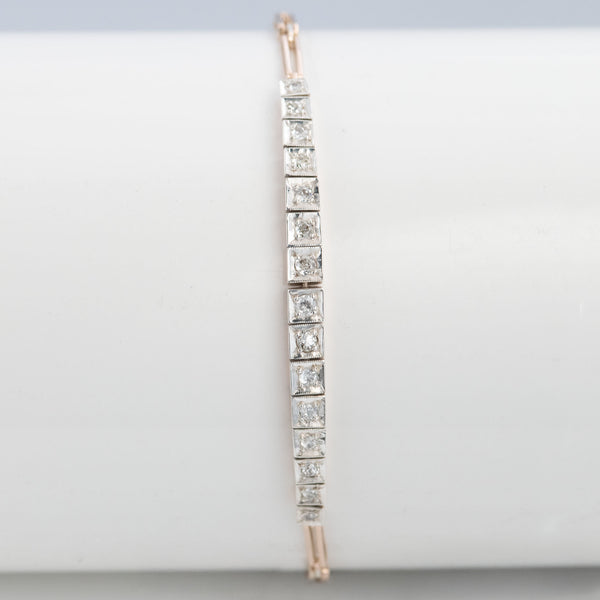
Moving into the early 20th century, Edwardian bracelets favour delicate platinum and diamond work, with lace-like openwork settings reflecting the fashion for lighter, more refined jewellery. These pieces often used millegrain edging, a tiny beaded border that's a helpful dating clue when you're inspecting a piece closely.
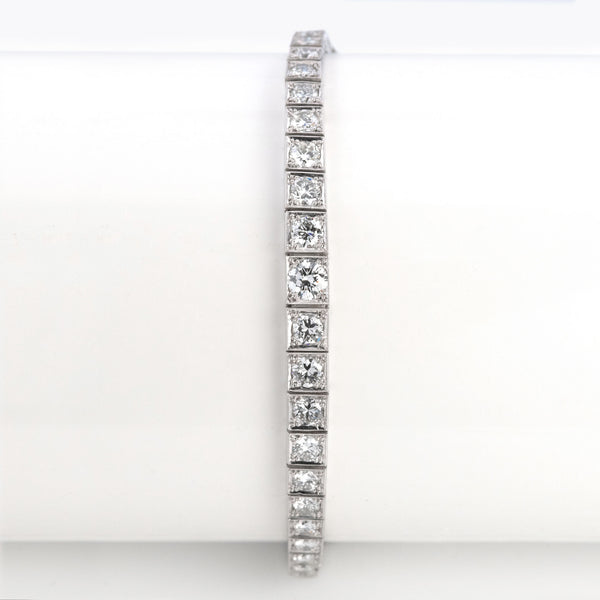
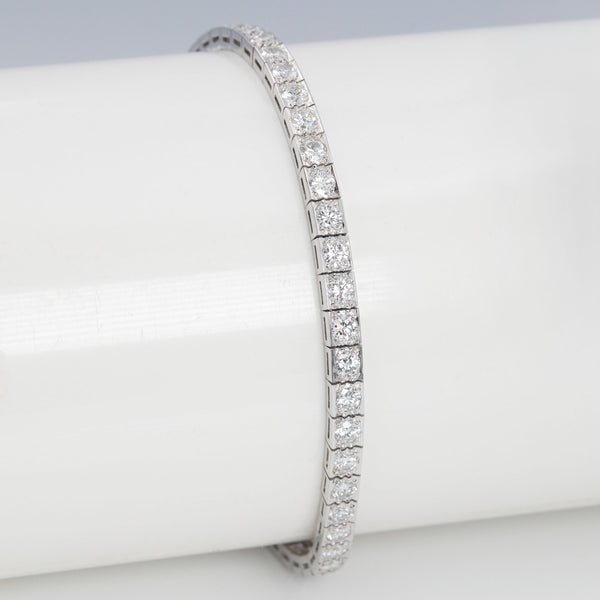
Art Deco bracelets, by contrast, embrace geometric shapes, bold contrasts and symmetry, often combining onyx, coral or enamel with diamonds in stepped or angular designs. This period followed significant changes in fashion and manufacturing, so pieces from the 1920s and 1930s tend to feel noticeably different from their Victorian predecessors. If you're drawn to a particular decade's aesthetic, familiarising yourself with these visual cues will make browsing far easier.
How to Buy an Antique Bracelet: Assessing Quality and Authenticity
Learning how to buy an antique bracelet starts with understanding a few key indicators of quality. First, check the metal. Hallmarks on gold and silver pieces can confirm the metal content, and in the UK, hallmarking has been a legal requirement for centuries, so a genuine antique piece should carry one where applicable.
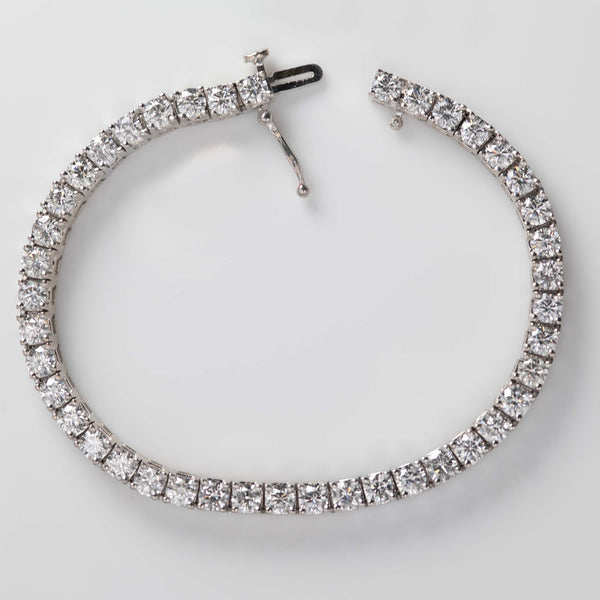
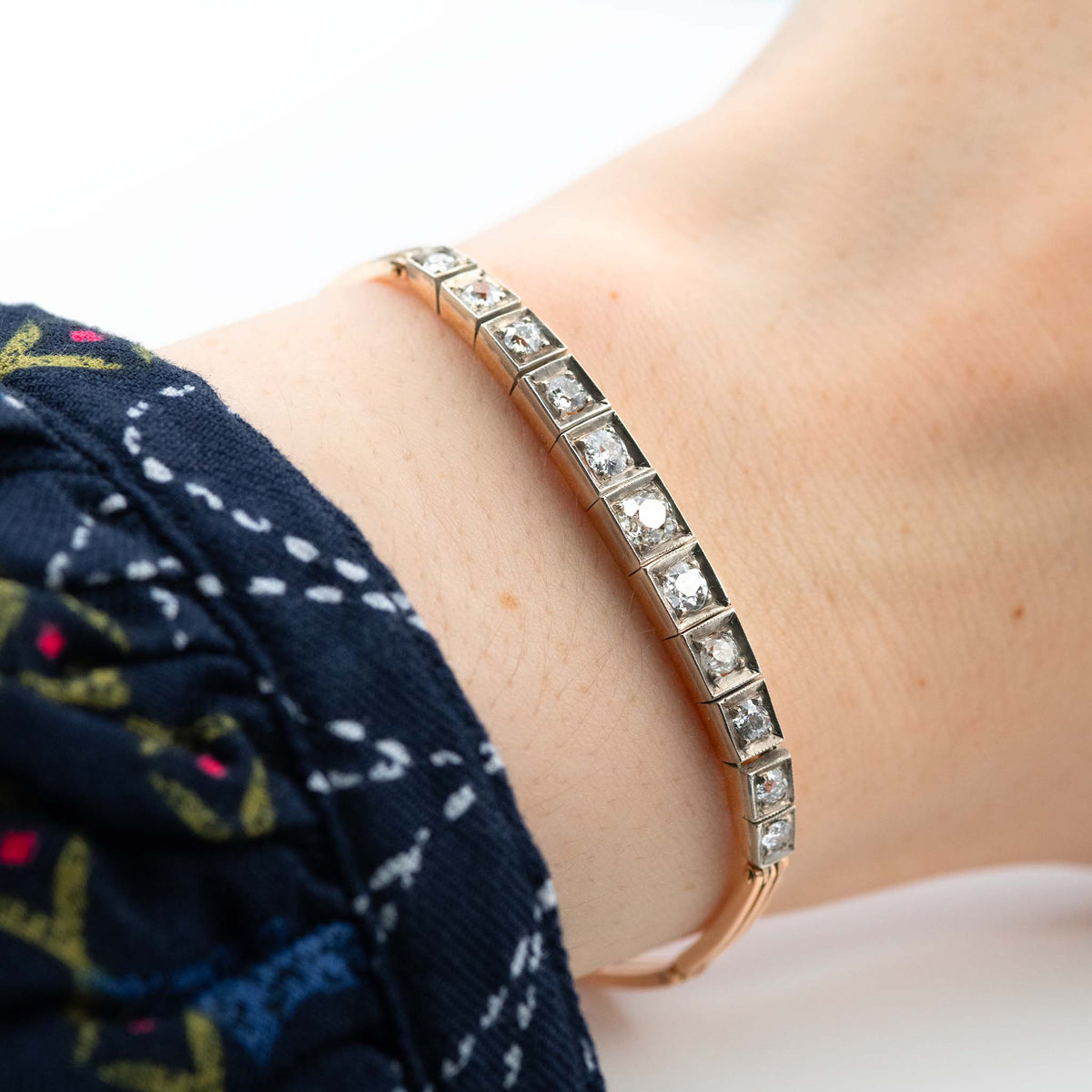
Second, examine the stones and settings. Antique cutting styles, such as old mine cuts or rose cuts, look different from modern brilliant cuts, and this is often one of the clearest signs of age. Uneven facets and slightly asymmetrical shapes aren't flaws; they're evidence of hand-cutting before mechanised processes became standard.
Third, consider the clasp and any repairs. A bracelet that has been well cared for over a century may show gentle signs of wear, but a professional restoration should be sympathetic to the original design rather than replacing key structural elements entirely. If you're unsure, a reputable specialist dealer should be able to talk you through the piece's history and condition honestly.

Antique Bangle Buying Tips and What Affects Value
If you're specifically interested in bangles rather than link bracelets, a few antique bangle buying tips are worth keeping in mind. Bangles are typically a fixed size, so fit matters more here than with adjustable bracelets. Always check the internal diameter before buying, as antique bangles were often made smaller than modern wrist sizes tend to require.
Several factors affect the value of any antique bracelet. Rarity, condition, the quality of the metal and stones, provenance, and the reputation of the maker or period all play a part. A bracelet with its original box, papers or a documented history will often carry additional value, though plenty of beautiful pieces come without this and are still entirely genuine.
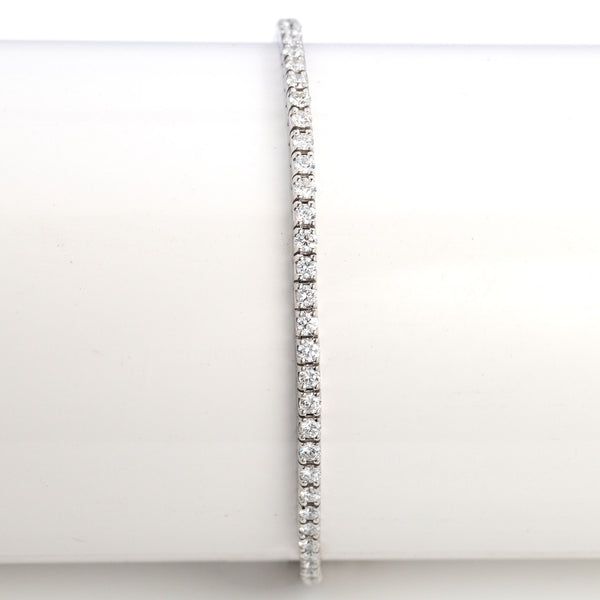
It's also worth being cautious of pieces described vaguely as "antique style" or "vintage inspired," as these terms can sometimes be used for modern reproductions rather than genuine period pieces. A trustworthy seller should always be transparent about age, origin and any restoration work.
Building a Collection of Vintage Bracelets UK Buyers Can Trust
For those searching for vintage bracelets UK wide, buying from a specialist with clear provenance and honest condition reporting is the safest route. Vintage pieces, generally considered anything 20 to 100 years old, offer a slightly more accessible entry point than true antiques while still carrying genuine character and craftsmanship.
Whether you're drawn to the sentimental symbolism of Victorian design, the refined elegance of Edwardian platinum work, or the bold geometry of Art Deco, taking time to handle pieces, ask questions and compare styles will help you find a bracelet you'll genuinely love wearing. You can browse our antique bracelets collection to see examples of these styles in person, with full descriptions of age, metal and condition for each piece.
Conclusion
Buying antique jewellery should feel enjoyable rather than daunting, and a little knowledge goes a long way. We hope this antique bracelets buying guide has given you the confidence to look more closely at hallmarks, cutting styles and clasp designs, and to ask sellers the right questions before you commit to a purchase.
If you'd like to see these details for yourself, browse our antique bracelets collection at Friar House, where every piece is described honestly and thoroughly. We're always happy to answer questions by phone or email if you'd like a little more guidance before choosing your next bracelet.