
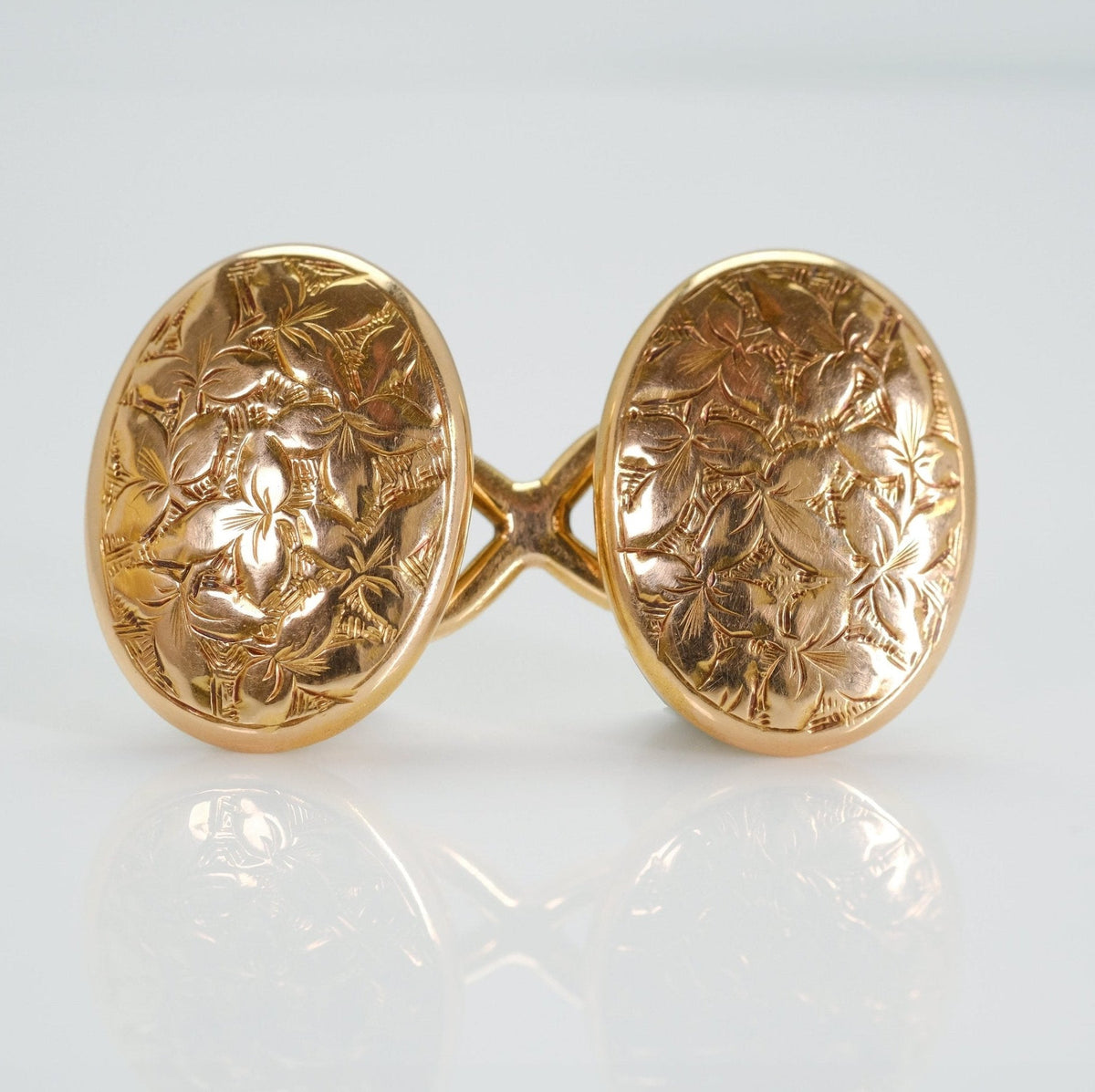
Cufflinks are one of those small details that say a great deal about a man's style, and antique examples carry a history and craftsmanship you simply won't find on the high street. If you're new to collecting or buying a gift, this antique cufflinks buying guide will walk you through what genuinely matters before you part with your money. Whether you're drawn to Victorian engraving, Art Deco geometry, or simple Georgian gold, knowing what to look for makes all the difference between a satisfying purchase and a disappointing one.
At Friar House, we've spent over thirty years handling vintage cufflinks and antique jewellery of every period, and we know the questions buyers ask most often. This piece covers authenticity, quality, condition, and value, so you can shop with confidence rather than guesswork.
Why an Antique Cufflinks Buying Guide Matters
Buying antique jewellery is different from buying new. There's no manufacturer's guarantee, no standard sizing chart, and often no paperwork at all. That's precisely why a considered antique cufflinks buying guide is worth reading before you spend anything significant.
Every piece has its own story, wear pattern, and quirks. Learning to read these signs properly protects you from overpaying for something that isn't quite what it seems, and it helps you appreciate the genuine craftsmanship on offer when you do find the right pair.
Understanding the Different Fittings and Periods
Cufflinks have changed shape considerably over the last two centuries, and the fitting style is often your first clue to age. Georgian and early Victorian pairs frequently used a simple chain link connecting two faces, while later Victorian and Edwardian pieces introduced the swivel bar or "torpedo" fitting still common today.
Art Deco cufflinks, from roughly the 1920s and 1930s, tend to favour bold geometric shapes and contrasting materials such as onyx paired with gold or silver. Recognising these characteristics helps you place a piece within its correct period, which in turn affects both authenticity and value.
If you're unsure how a fitting should look for a given era, comparing several examples side by side is genuinely useful. Our antique cufflinks collection includes pieces spanning Georgian through to mid-century vintage, making it a helpful reference point even if you're buying elsewhere.
Assessing Quality and Materials
Quality cufflinks were made to last, and the materials used are usually your best indicator of that quality. Gold cufflinks should carry hallmarks confirming the metal purity and, ideally, a maker's mark and assay office. Silver pieces should show similar hallmarking, though wear can sometimes make these marks faint.
Look closely at enamel work if the piece features any. Good enamel should have a smooth, even surface without excessive flaking or repair work, though some gentle softening with age is normal and not necessarily a fault. Stones, where present, should be securely set rather than loose or rattling in their mounts.
Weight and heft matter too. Antique gold cufflinks generally feel more substantial than modern costume alternatives, and this solidity is often a reliable, if informal, sign of genuine period manufacture.
How to Buy Antique Cufflinks with Confidence
Knowing how to buy antique cufflinks confidently comes down to asking the right questions before purchase. Ask about the metal content, the approximate period, and whether any restoration has taken place. A reputable seller should answer these openly and without hesitation.
Condition reports matter as much as photographs. Small scratches and gentle surface wear are expected on anything genuinely old and shouldn't put you off; they're evidence of a real history rather than a flaw. What's worth more caution is significant damage, replaced fittings that don't match the period, or stones that have clearly been swapped for modern replacements.
Buying from a specialist dealer rather than an anonymous online listing gives you far more reassurance. A knowledgeable seller can explain provenance, point out any repairs honestly, and offer guidance suited to your specific interests, whether that's Victorian mourning pieces or Art Deco designs.
What Affects Value in Gentlemen's Antique Cufflinks
Several factors influence what gentlemen's antique cufflinks are worth, and understanding them helps you judge whether an asking price is fair. Rarity plays a significant role; unusual designs, less common materials, or pieces from short-lived manufacturing periods tend to command more interest.
Maker's marks matter considerably too. Cufflinks attributed to well-regarded jewellers or workshops of their era generally hold value better than unmarked or mass-produced examples. Condition remains important throughout, since heavily repaired or altered pieces are typically valued lower than those in original, honest condition.
Finally, consider wearability. A beautifully made pair that's uncomfortable or awkward to fasten daily loses some practical appeal, even if it's historically interesting. The best antique cufflinks strike a balance between craftsmanship, condition, and genuine everyday usability.
Avoiding Common Mistakes
New buyers sometimes focus purely on appearance and overlook the fittings, which is a mistake since a damaged or poorly repaired fitting can be costly and difficult to fix properly. Always check that both cufflinks in a pair genuinely match; sadly, mismatched "married" pairs do circulate in the market, sometimes without the seller even realising.
It's also worth being wary of pieces described vaguely as "antique style" rather than confirmed as genuinely antique. Reputable dealers will be specific about period and materials rather than relying on ambiguous language designed to imply age without stating it outright.
Conclusion
Buying antique cufflinks rewards patience and a little knowledge, and hopefully this antique cufflinks buying guide has given you a clearer sense of what to check before committing to a purchase. Focus on hallmarks, fittings, condition, and provenance, and don't be afraid to ask a dealer direct questions about any piece that catches your eye.
If you'd like to see genuine examples spanning several periods, browse our antique cufflinks collection at Friar House. Victoria and the team are always happy to talk through any piece in detail and help you find a pair that suits your style and budget.


