Introduction
May is a month of renewal, lush greenery, and the full flourishing of spring. It is entirely fitting that its birthstone — the emerald — matches the season so perfectly: deep, vivid green, impossibly rich, and redolent of nature's abundance. For centuries, emeralds have been among the most prized of all precious gemstones. In the world of vintage and antique jewellery, emerald pieces occupy a very special place — both for their rarity and their extraordinary beauty.
The Ancient World's Green Fire
Emeralds have been mined and treasured for at least four thousand years. The ancient Egyptians mined emeralds in the Eastern Desert — the famed Cleopatra's Mines — and Cleopatra herself was said to be passionate about the stone, gifting carved emeralds bearing her likeness to visiting dignitaries. The Egyptians associated emeralds with fertility and rebirth.
The ancient Greeks dedicated the emerald to Aphrodite, goddess of love and beauty. When the Spanish brought Colombian emeralds back to Europe in the sixteenth century, the continent was transformed — suddenly the finest emeralds in the world were available, and European jewellery entered a new era of colour and splendour.
Emeralds Through the Centuries of European Jewellery
From the Renaissance onwards, emeralds featured prominently in the jewellery of European royalty and nobility. In Britain, the Victorian era saw emeralds frequently paired with diamonds in elaborate brooches, tiaras, and necklaces — the rich contrast of green and white perfectly embodying the opulence of the period.
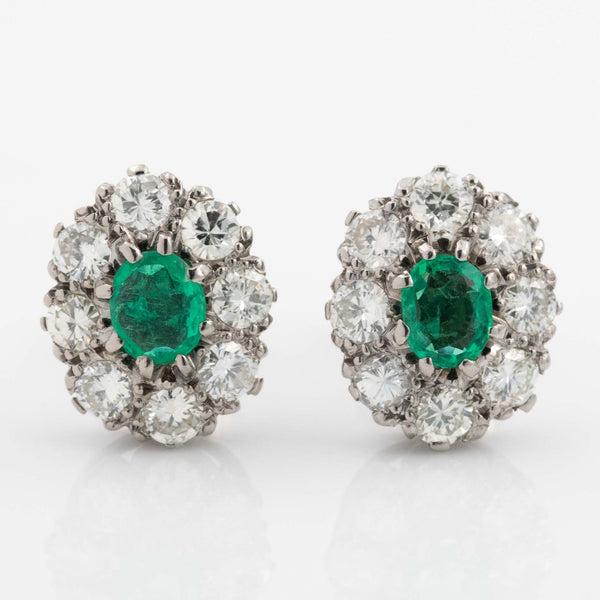
The Edwardian period brought a lighter, more graceful aesthetic to emerald jewellery. Emeralds were set in platinum, often surrounded by delicate diamond halos or interspersed with pearls, creating pieces of extraordinary refinement.
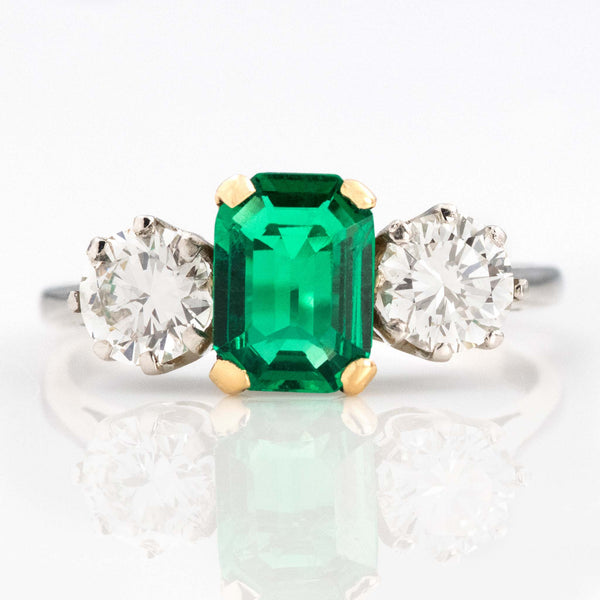
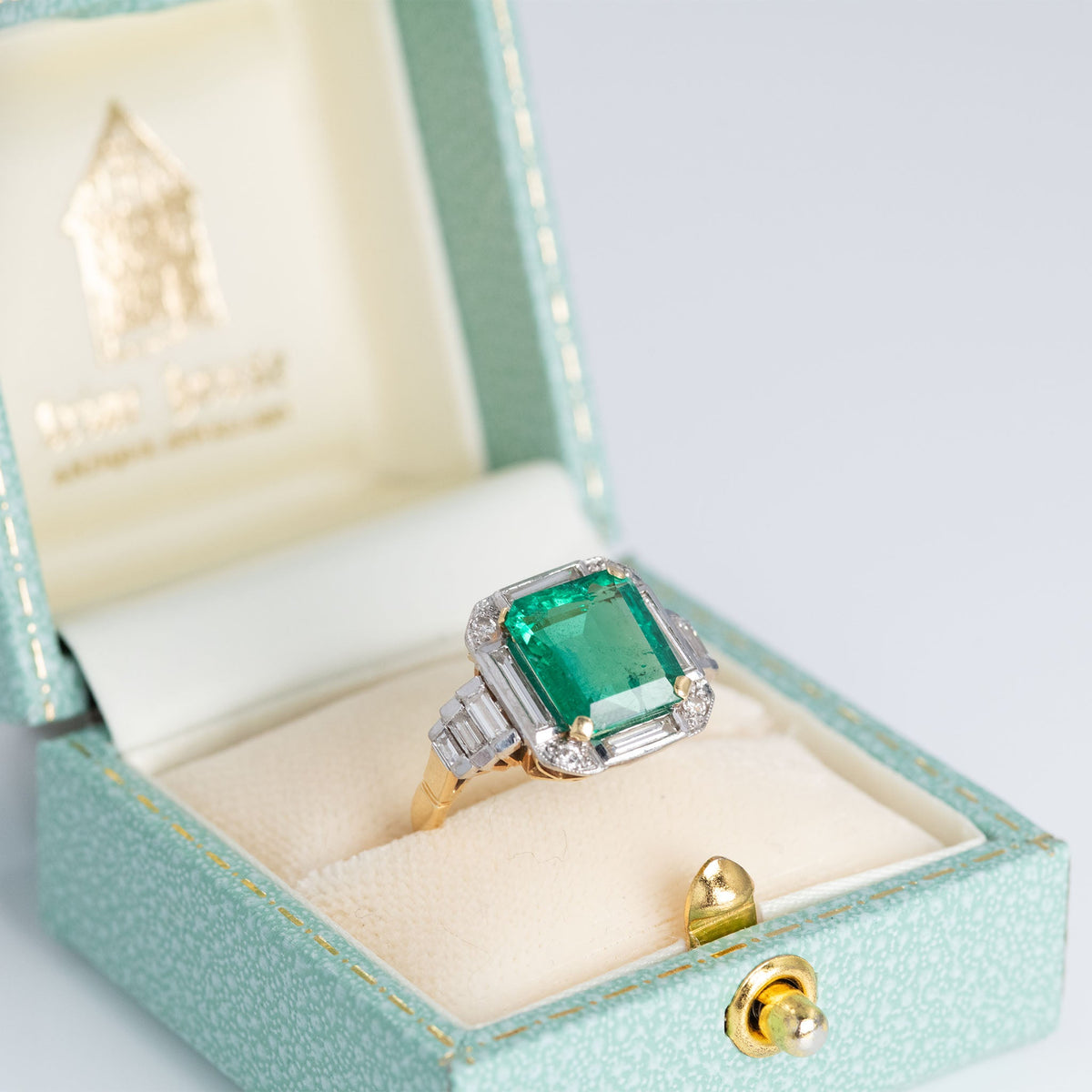
Then came Art Deco jewellery — and emeralds found a perfect home in the bold geometry of the 1920s and 1930s. The rich green of a fine emerald against the cold white of platinum and diamonds remains one of the most striking colour combinations in all of jewellery history.
What Makes an Emerald a Fine Emerald?
Colour is by far the most important factor in grading emeralds. The finest display a vivid, medium-to-dark bluish-green, sometimes described as 'Colombian green'. Almost all natural emeralds contain internal inclusions — known in the trade as jardin (French for garden). These inclusions are part of an emerald's character and identity.
The Meaning of Emerald: Love, Wisdom, and New Beginnings
Throughout history, the emerald has been associated with fertility, renewal, and the natural cycle of life. For May birthdays, an emerald is said to bring foresight, good fortune, and youth. It is the traditional gift for the 20th and 35th wedding anniversaries — making it particularly apt for celebrating enduring love.
Vintage Emerald Jewellery at Friar House
Our antique gemstone engagement rings include stunning emerald-set pieces from across the great eras of jewellery history. Visit us in Battle, East Sussex, or browse our collection online — with free, fully insured worldwide shipping on every purchase.