Seeking Art Deco Treasure - Identifying Authentic 1920s Geometric Glamour
The art deco diamond ring represents one of the most distinctive and sought-after styles in antique jewellery. With their bold geometric lines, innovative cuts, and unmistakable Jazz Age glamour, these pieces continue to captivate collectors and romantics alike nearly a century after their creation.
Having worked with countless art deco pieces over three decades, I've seen how these remarkable rings can both enchant and confuse buyers. The period's revolutionary approach to design created some of the most striking diamond rings ever made, but it also means that identifying authentic pieces requires a trained eye and deep understanding of the era's craftsmanship.
Whether you're seeking an engagement ring with genuine 1920s provenance or adding to a collection of period jewellery, understanding the hallmarks of authentic art deco design will serve you well in this fascinating market.
Understanding Art Deco Diamond Ring Design Elements
The art deco movement emerged in the 1920s as a radical departure from the flowing, nature-inspired forms of the preceding Edwardian era. Art deco rings embraced geometric precision, with designers favouring clean lines, symmetrical patterns, and bold architectural forms that reflected the period's fascination with modernity and machine-age aesthetics.
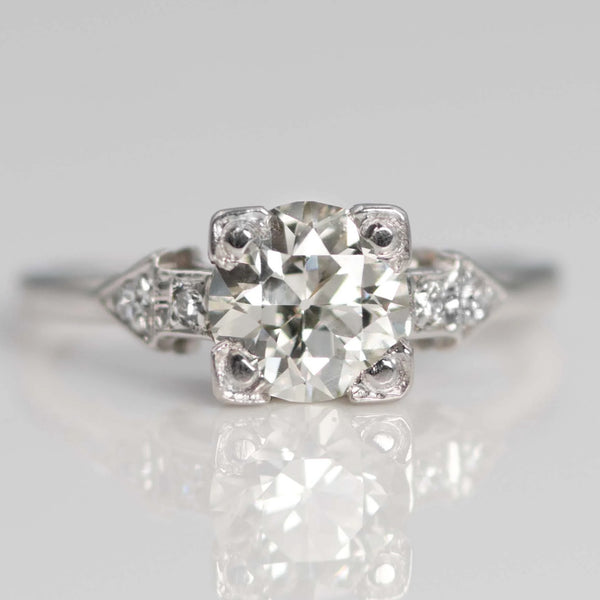
Authentic 1920s diamond rings typically feature stepped geometric patterns, often called "ziggurat" designs after ancient Mesopotamian temples. You'll find rectangular and square forms dominating, with trapezoids, hexagons, and elongated octagonal shapes creating dynamic visual interest. The overall effect should feel crisp and mathematical rather than organic.
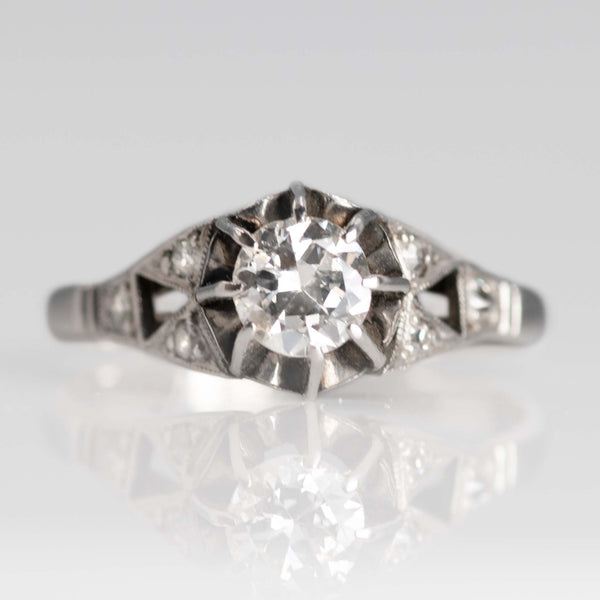
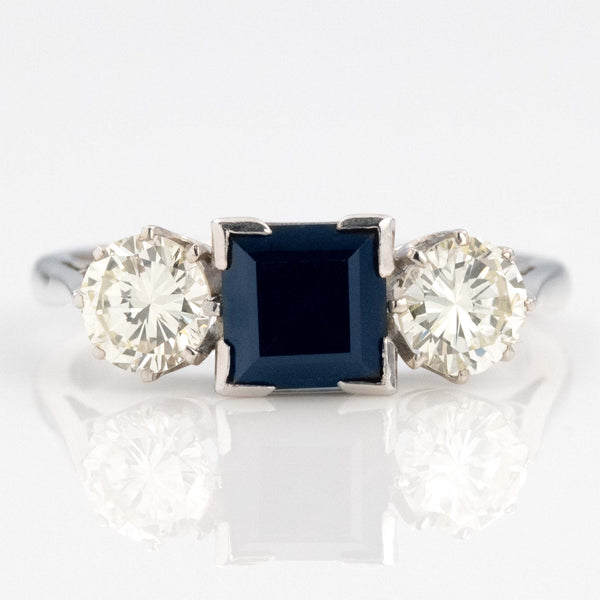
Colour contrast played a crucial role in art deco design philosophy. Period pieces frequently incorporate black onyx, deep blue sapphires, or rich emeralds alongside diamonds to create striking visual drama. White metals—particularly platinum, which became widely available during this period—provided the perfect backdrop for these bold colour combinations.
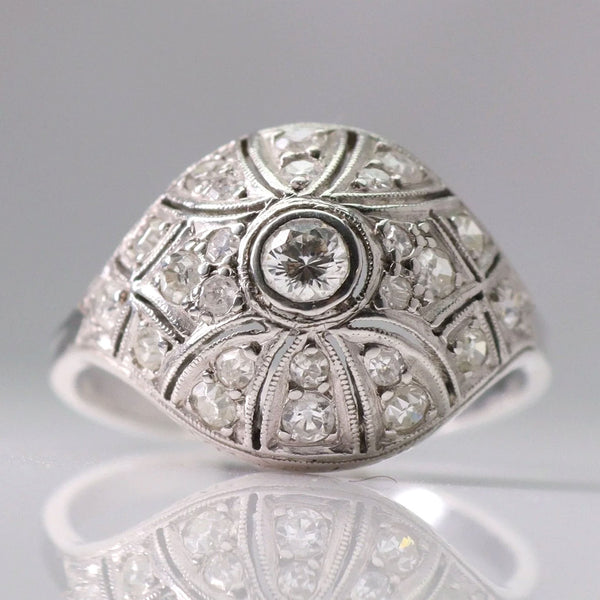
The craftsmanship itself reflects the era's precision-focused approach. Hand-engraving follows geometric patterns, while milgrain detailing creates delicate beaded edges that catch light beautifully. These subtle textural elements distinguish authentic pieces from later reproductions.
Identifying Authentic Art Deco Diamond Cuts and Settings
The diamond cuts favoured during the art deco period tell their own story of innovation and technical advancement. Geometric diamond rings from this era showcase cuts that complement the movement's architectural aesthetic, moving away from the round brilliants that dominated earlier periods.
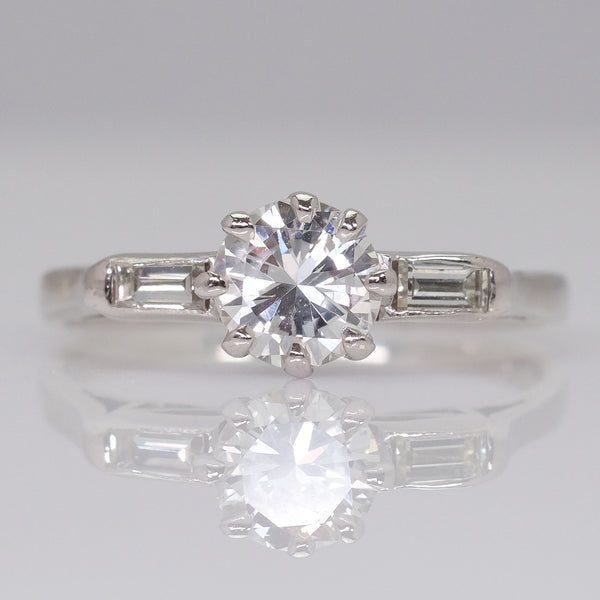
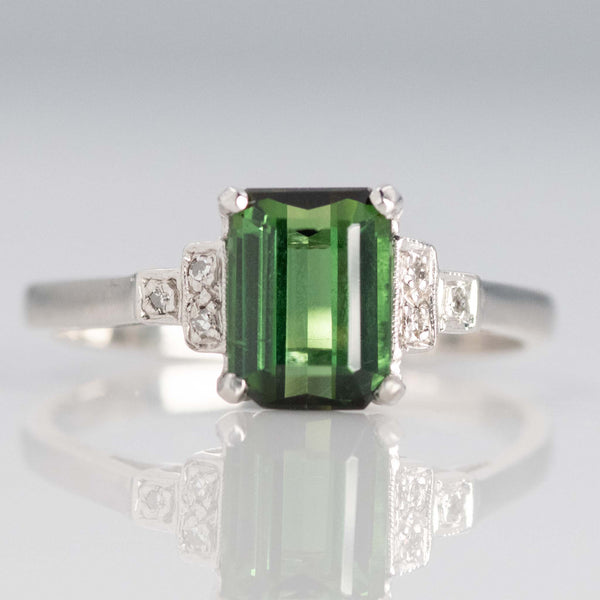
The emerald cut became synonymous with art deco design, its rectangular form and step-cut faceting perfectly embodying the period's love of clean lines. Baguette diamonds, both straight and tapered, served as ideal accent stones, creating the linear patterns that define authentic art deco compositions.
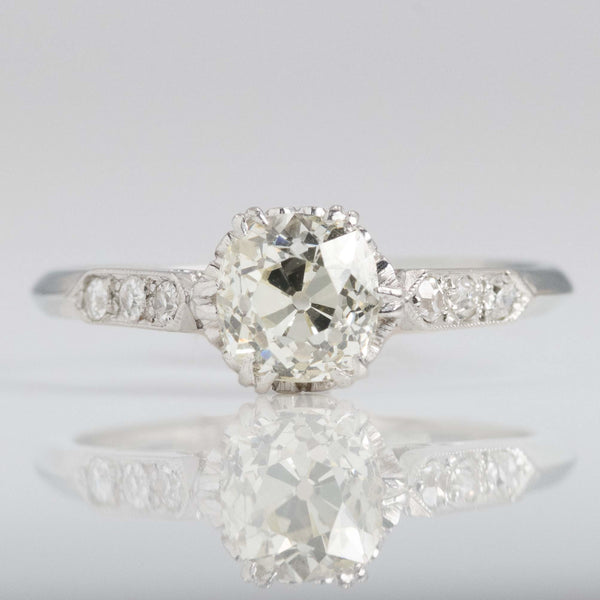
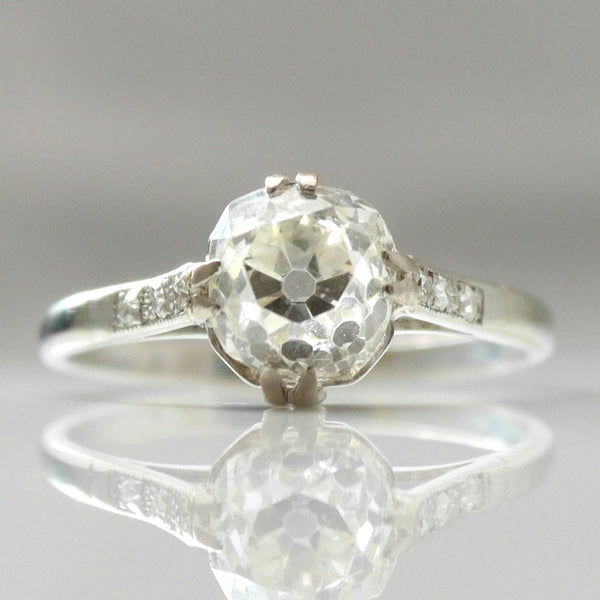
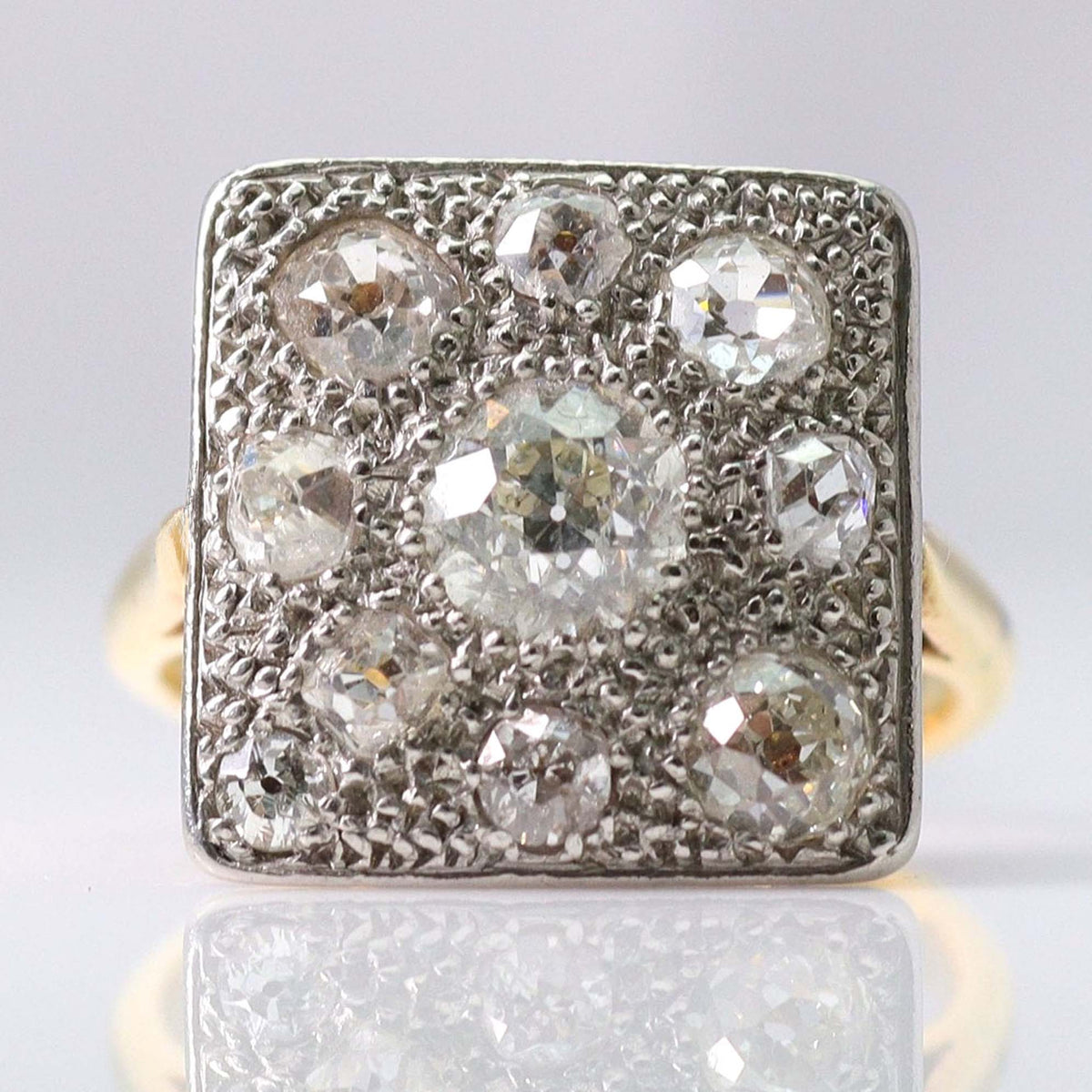
Square emerald cuts, now called Asscher cuts, gained tremendous popularity during the 1920s. Their unique faceting pattern creates distinctive optical effects that complement the period's bold aesthetic. You'll also encounter old European cuts in art deco settings, representing the transition between Victorian craftsmanship and modern cutting techniques.
Settings from this period demonstrate remarkable technical innovation. Pierced gallery work allows light to reach diamonds from multiple angles, whilst maintaining the geometric framework essential to art deco design. Authentic pieces often feature intricate undergallery engraving that's invisible when worn but demonstrates the maker's commitment to complete design integrity.
Platinum's strength allowed craftsmen to create delicate geometric frameworks that would have been impossible in gold. Look for settings where the metalwork forms an integral part of the design rather than simply holding stones in place—this integration of structural and decorative elements defines superior art deco craftsmanship.
Evaluating Quality and Authenticity in Art Deco Rings
When examining a potential art deco diamond ring purchase, several key indicators help distinguish authentic period pieces from later reproductions or revival pieces. Understanding these markers protects both your investment and ensures you're acquiring genuine 1920s craftsmanship.
Hallmarks provide crucial authentication. British pieces should bear appropriate assay office marks for the period, whilst American pieces may lack hallmarks but often feature maker's marks from known art deco jewellers. The quality of these marks—sharp, clear, and properly positioned—indicates authentic manufacture.
Construction techniques reveal much about a ring's provenance. Period pieces demonstrate hand-finishing throughout, with tool marks consistent with 1920s manufacturing methods. Machine-made elements, where present, show the particular characteristics of period equipment rather than modern mass-production techniques.
Diamond quality in authentic art deco rings reflects the period's standards and available technology. While not every stone will meet contemporary colour and clarity expectations, the overall selection and matching should demonstrate professional expertise. Poorly matched diamonds or obviously modern cuts suggest later alteration or complete reproduction.
Proportions matter significantly in art deco design. Authentic pieces maintain careful mathematical relationships between elements—the width of bands, spacing of decorative details, and sizing of accent stones all follow the period's aesthetic principles. Awkward proportions often indicate reproduction work or inappropriate restoration.
What to Expect When Buying Art Deco Diamond Rings
The market for authentic art deco rings has remained consistently strong, reflecting both their historical significance and enduring aesthetic appeal. Understanding current market dynamics helps ensure you make informed purchasing decisions whilst avoiding common pitfalls.
Pricing varies considerably based on factors including designer attribution, diamond quality, rarity of design elements, and overall condition. Pieces by known makers such as Cartier, Tiffany, or notable British firms command premium prices, whilst anonymous but well-executed pieces can offer excellent value for buyers focused on aesthetic and craftsmanship qualities.
Condition assessment requires careful attention to both obvious and subtle issues. Art deco pieces have now survived nearly a century, and some wear is expected and acceptable. However, previous repairs, replaced stones, or altered settings significantly impact both value and authenticity. Professional assessment becomes crucial for significant purchases.
Documentation enhances both value and confidence in any purchase. Original boxes, certificates, or historical provenance add considerable interest, though their absence doesn't necessarily diminish an otherwise exceptional piece. Reputable dealers should provide detailed descriptions and stand behind their attributions.
1920s diamond rings often require some restoration work to ensure long-term wearability. Prong retipping, cleaning, and minor adjustments represent normal maintenance rather than condition issues. However, extensive rebuilding or stone replacement moves into restoration territory that affects both value and authenticity.
Making Your Art Deco Diamond Ring Purchase
Acquiring an authentic art deco diamond ring represents both an investment in exceptional craftsmanship and a connection to one of jewellery history's most innovative periods. These remarkable pieces offer daily enjoyment whilst maintaining their historical and financial value for future generations.
Working with knowledgeable specialists ensures you benefit from decades of experience in evaluating, authenticating, and caring for period pieces. This expertise proves invaluable when navigating the complexities of the antique jewellery market and making decisions that you'll appreciate for years to come.
The enduring appeal of geometric diamond rings from the art deco period reflects their perfect balance of bold innovation and timeless elegance. Whether chosen for their historical significance, exceptional craftsmanship, or striking beauty, these pieces continue to captivate new generations of admirers.
Explore our carefully curated collection of authentic art deco diamond rings, where each piece has been selected for its exceptional quality, design integrity, and historical importance. Our expertise in this fascinating period ensures you'll find pieces that meet the highest standards of authenticity and craftsmanship.