Vintage Ruby Rings Through the Ages: From Victorian Romance to Art Deco Glamour
Few gemstones command the same reverence as the ruby, with its deep crimson depths speaking of passion, power, and enduring love. When I handle vintage ruby rings in my shop, I'm struck by how each piece tells the story of its era—from the romantic symbolism of Victorian courtship to the bold geometry of the Jazz Age. These extraordinary gems have adorned fingers for centuries, and understanding their evolution through different periods helps us appreciate both their historical significance and timeless appeal.
The ruby's journey through antique jewellery reflects broader changes in society, fashion, and craftsmanship. Each era brought its own interpretation of how best to showcase this magnificent stone, creating distinct styles that continue to captivate collectors and lovers of fine jewellery today.
Georgian Ruby Rings: The Foundation of Romance
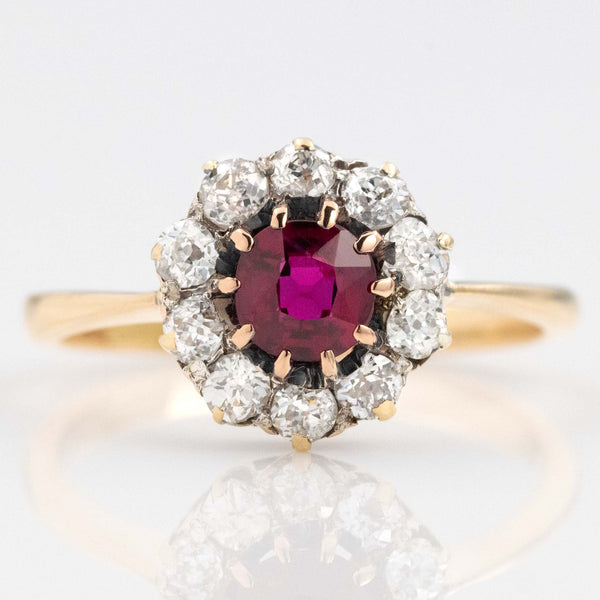
The Georgian era (1714-1837) established many of the romantic associations we still connect with rubies today. During this period, antique ruby rings often featured in cluster settings, surrounded by diamonds or other coloured stones in elaborate floral designs. The cut of Georgian rubies tends to be quite different from what we see today—often irregularly shaped cabochons or simple table cuts that maximised the stone's natural colour rather than its brilliance.
Georgian jewellers worked primarily by candlelight, which influenced their design choices significantly. They understood that rubies would glow magnificently in the warm, flickering light of evening entertainments, making them perfect for society gatherings and intimate moments alike.
The craftsmanship of this period shows wonderful hand-forged details, with silver-topped gold settings being particularly popular. These rings often incorporate hidden symbolism—acrostic settings spelling out words like "REGARD" using different gemstones, with rubies frequently representing the letter "R".
Victorian Ruby Romance: Symbolism and Sentiment
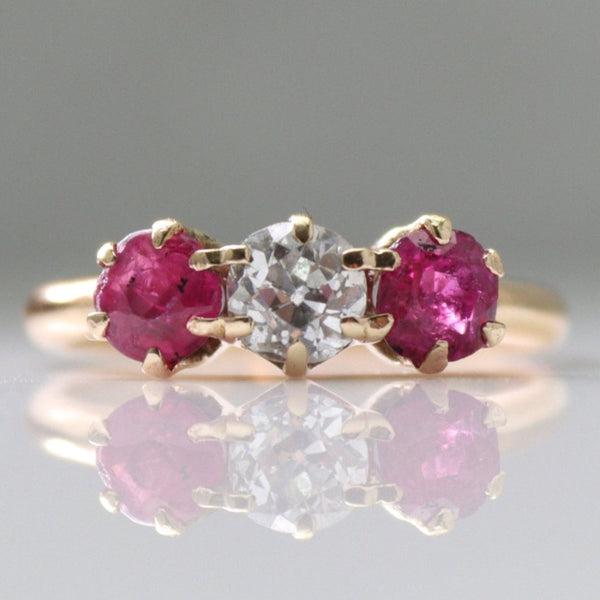
The Victorian era transformed the ruby ring into the ultimate expression of passionate love. Victorian ruby rings became increasingly popular as engagement rings, with Queen Victoria herself favouring coloured gemstones over diamonds. The Victorians believed rubies symbolised undying love and were thought to grow darker when the wearer was in danger—a romantic notion that added mystique to these already captivating stones.
Early Victorian rings (1837-1860) maintained some Georgian influence with their ornate settings, but gradually evolved towards the more refined aesthetics we associate with the period. The discovery of Burmese ruby mines during British colonial expansion meant that exceptional stones became more available, though still tremendously valuable.
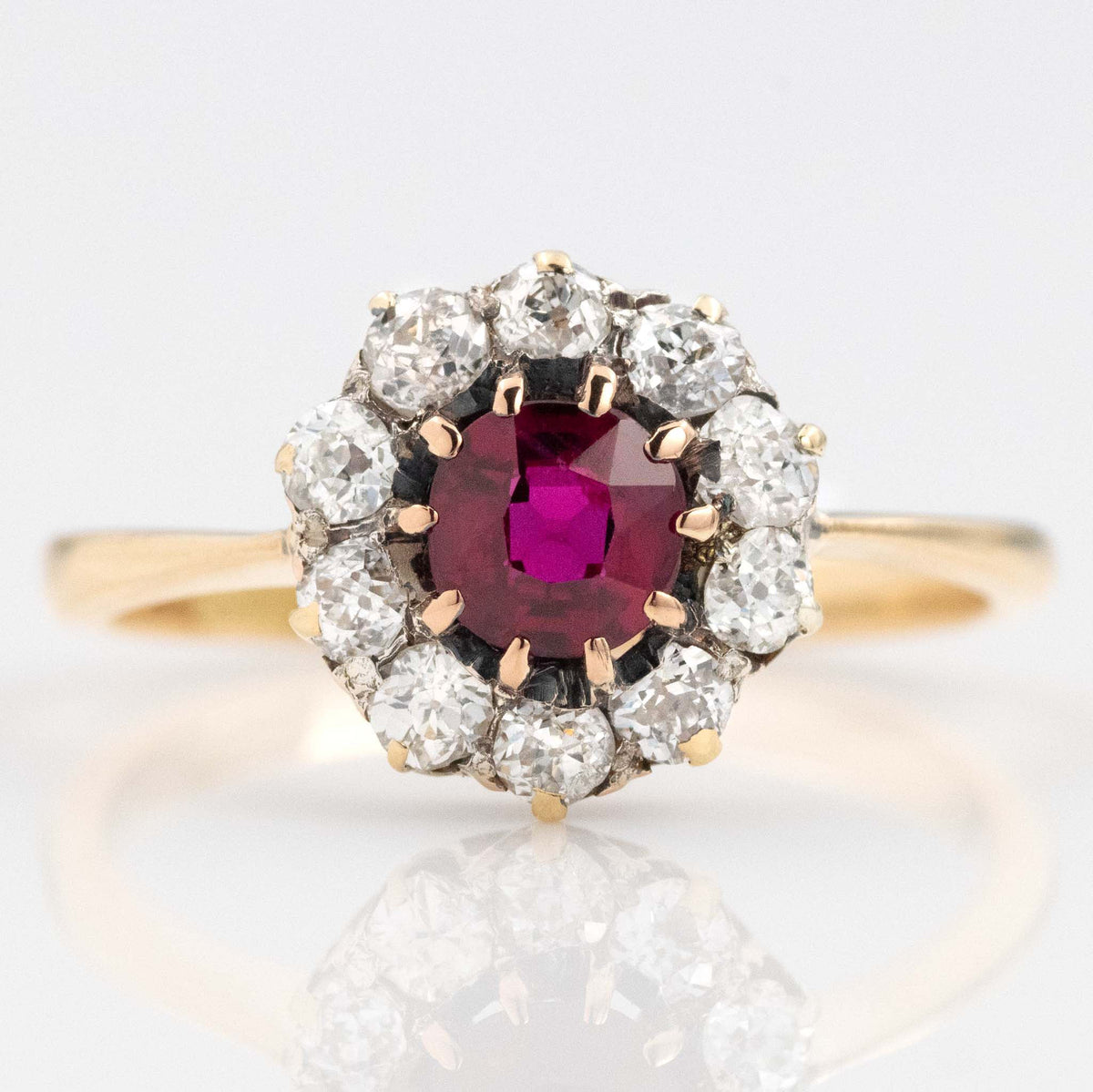
The language of flowers heavily influenced Victorian design, and ruby rings often featured botanical motifs—roses, forget-me-nots, and ivy leaves wrought in gold around the central stone. Ruby engagement rings from this period frequently incorporated diamond accents, but the ruby remained the star, representing the fire of true love.
Mid-Victorian pieces show increasing sophistication in cutting techniques, with oval and cushion cuts becoming more prevalent. The settings grew lower and more practical as the era progressed, reflecting women's increasingly active lifestyles.
Edwardian Elegance: Refinement and Light
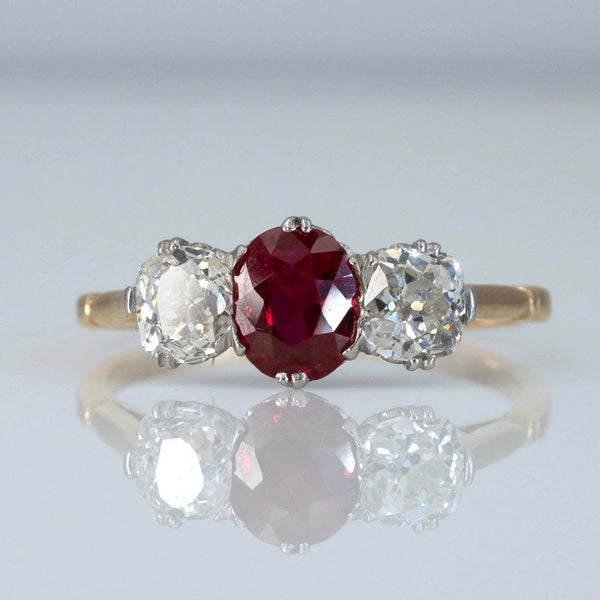
The Edwardian period (1901-1910) brought a dramatic shift towards lighter, more delicate designs. The development of platinum as a jewellery metal revolutionised ruby ring design, allowing for much finer, more intricate settings that seemed to barely hold the precious stones.
Edwardian ruby rings showcase exceptional craftsmanship, with pierced metalwork, milgrain details, and elaborate filigree settings that create an almost lace-like appearance. The rubies themselves were often surrounded by diamonds in sophisticated cluster arrangements or set as the centrepiece of elaborate bow and garland motifs.
This period marked a move away from the heavy symbolism of Victorian jewellery towards pure aesthetic appreciation. Ruby rings became expressions of refined taste and social status, worn by elegant ladies who valued subtlety over ostentation.
The cuts preferred during the Edwardian era show remarkable consistency and quality, with oval and emerald cuts being particularly favoured for their ability to showcase a ruby's colour whilst maintaining excellent proportions.
Art Deco Ruby Glamour: Geometric Bold Beauty
The 1920s and 1930s brought perhaps the most dramatic transformation in ruby ring design. Art Deco ruby rings broke completely from previous traditions, embracing geometric patterns, bold contrasts, and architectural influences that reflected the modern age's optimism and dynamism.
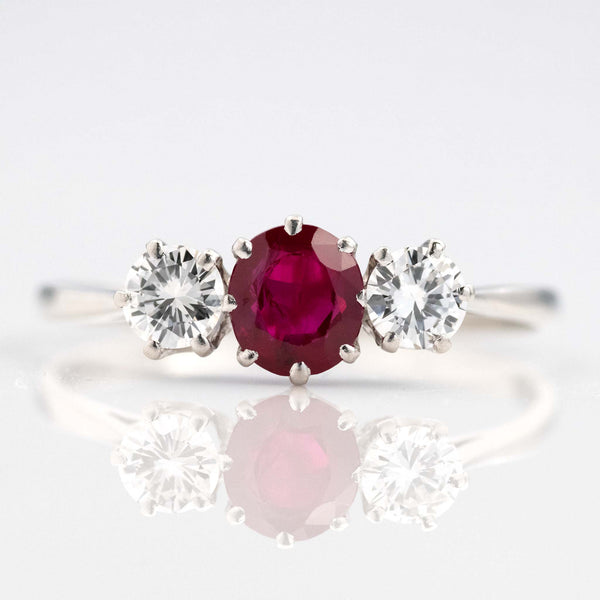
Art Deco designers weren't afraid to make statements with their ruby rings. They created stepped settings, linear patterns, and striking colour combinations that paired rubies with emeralds, sapphires, and diamonds in ways that would have shocked earlier generations. The cuts became more precise and uniform, with emerald cuts and baguettes allowing for clean lines and sharp angles.
White gold and platinum dominated Art Deco ruby settings, providing the perfect neutral backdrop for the stones' vibrant colour. The contrast between the cool metals and warm rubies created a sophisticated tension that epitomised the period's aesthetic sensibilities.
Many Art Deco ruby rings feature calibré-cut stones—precisely matched small rubies cut to fit together perfectly in geometric patterns. This technique required exceptional skill from both cutters and setters, resulting in pieces of remarkable technical achievement.
Collecting and Appreciating Vintage Ruby Rings Today
Understanding the evolution of vintage ruby rings enhances appreciation for these remarkable pieces of wearable history. Each period's approach to showcasing rubies reflects contemporary values, available technology, and aesthetic preferences, creating a rich tapestry of styles for today's collectors.
When examining vintage ruby rings, consider not just the stone's quality but also the period characteristics that make each era distinctive. The heavy romanticism of Victorian pieces offers something entirely different from the geometric precision of Art Deco designs, yet both approaches celebrate the ruby's inherent beauty in their own magnificent ways.
The enduring appeal of vintage ruby rings lies in their perfect marriage of historical craftsmanship and timeless gemstone beauty. Whether you're drawn to the elaborate symbolism of Victorian romance or the sleek sophistication of Art Deco glamour, these pieces continue to speak across the centuries of love, passion, and exquisite taste.
At Friar House, I'm privileged to work with these extraordinary pieces daily, each one representing decades or centuries of careful preservation and appreciation. If you'd like to explore our current selection of vintage ruby rings, I'd be delighted to share the stories and expertise that come with thirty years in this fascinating field.