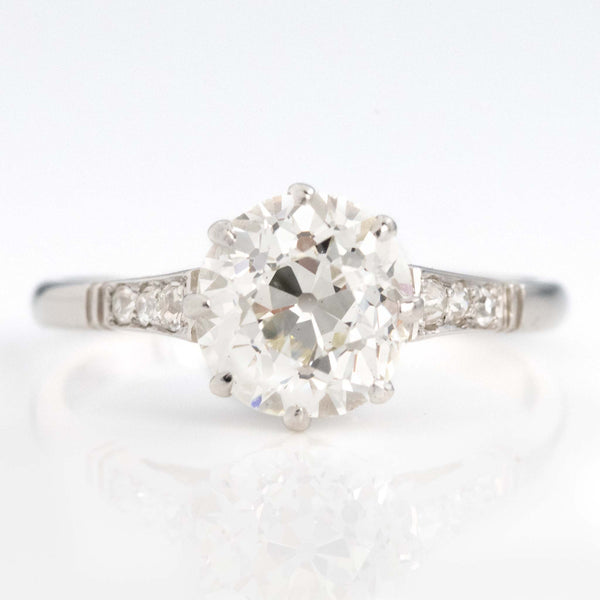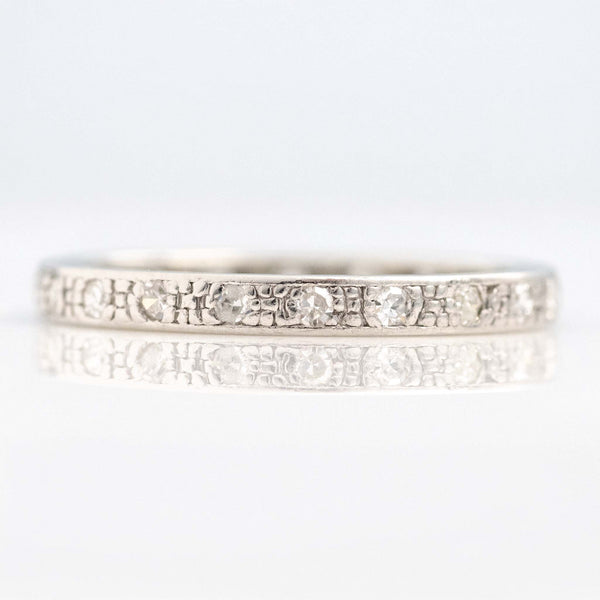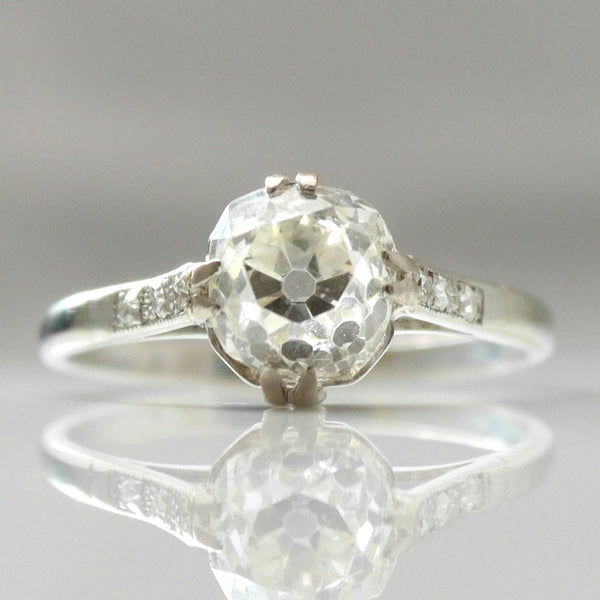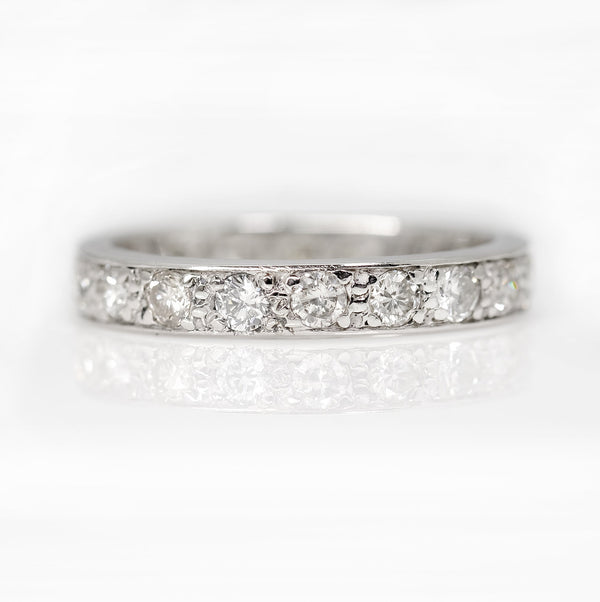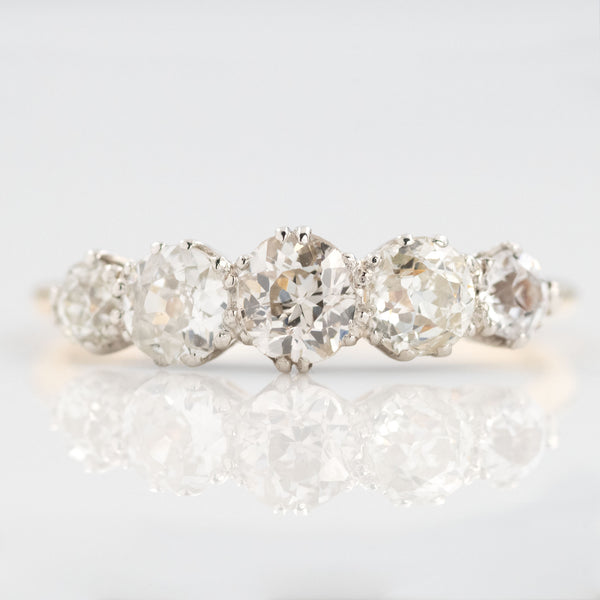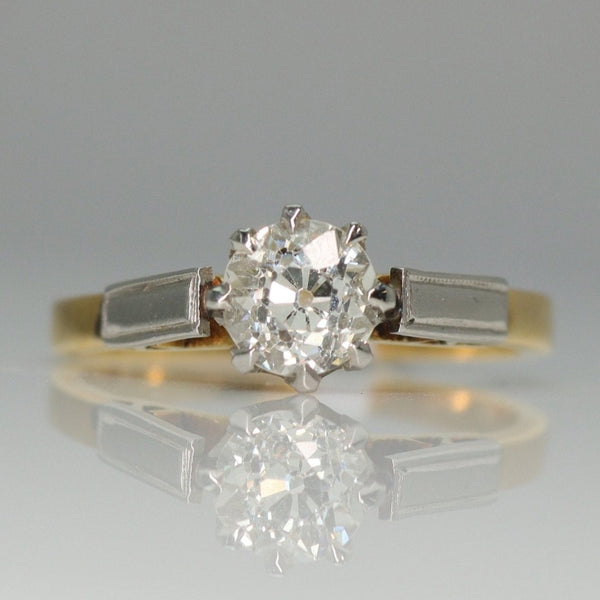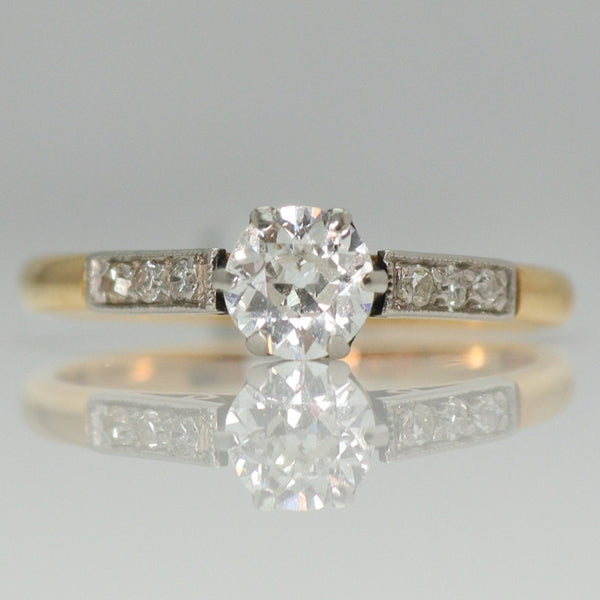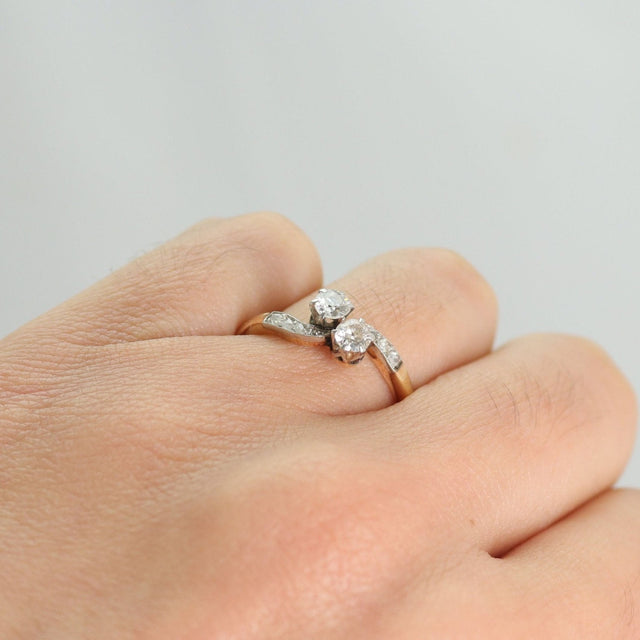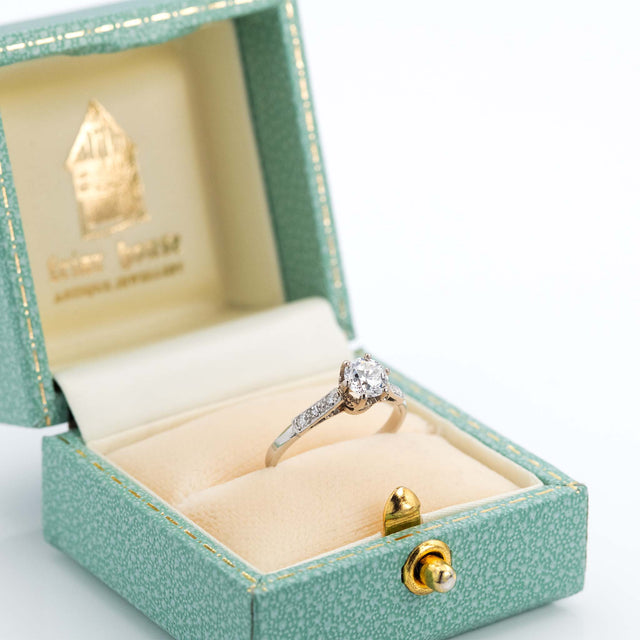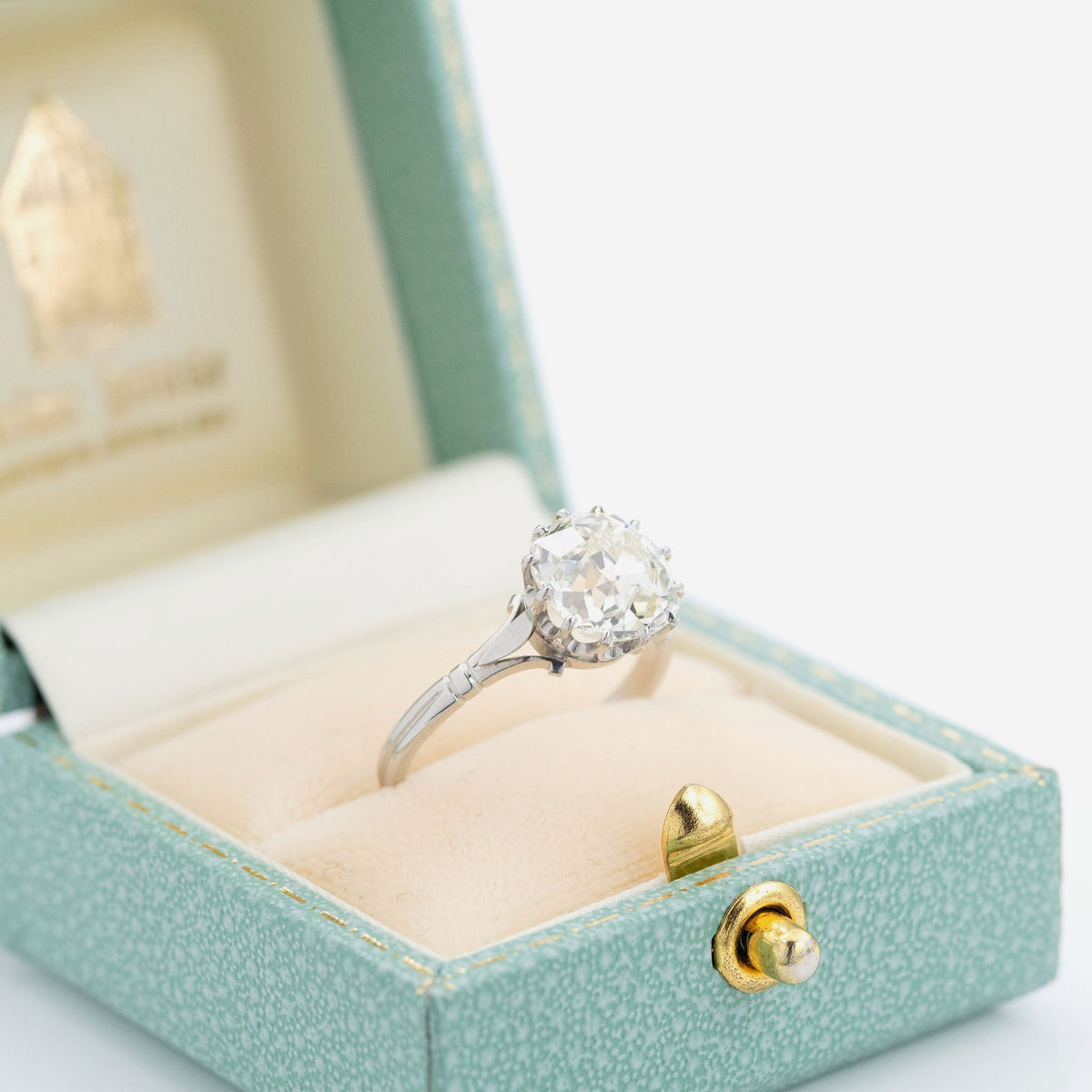
The art deco diamond ring represents one of the most distinctive and sought-after styles in vintage jewellery collecting. Born from the revolutionary spirit of the 1920s and 1930s, these magnificent pieces capture an era when traditional craftsmanship met bold geometric design, creating rings that remain utterly captivating nearly a century later.
After three decades of handling these extraordinary pieces, I've witnessed countless collectors fall in love with art deco's unique blend of mathematical precision and luxurious materials. The movement transformed jewellery design forever, moving away from the flowing curves of Edwardian pieces towards clean lines, striking symmetry, and innovative settings that showcased diamonds with unprecedented brilliance.
For collectors seeking to acquire their first art deco ring or expand an existing collection, understanding the key characteristics and quality markers proves essential. These pieces represent not merely beautiful accessories, but significant historical artifacts that reflect the optimism and innovation of their time.
Understanding Art Deco Design Elements
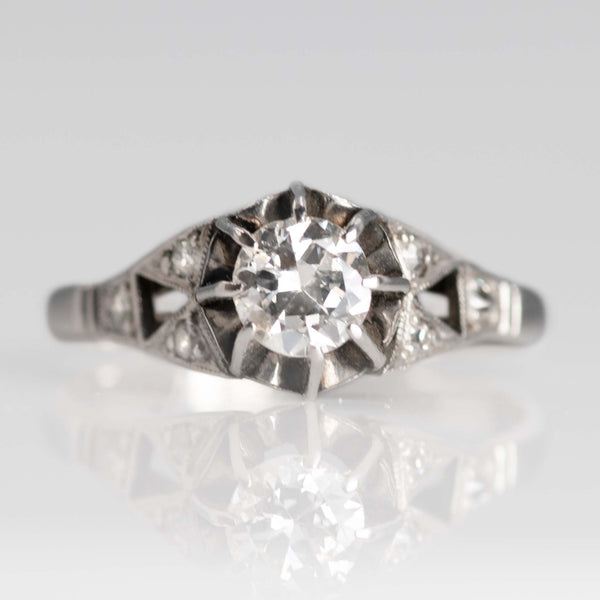
The hallmarks of art deco jewellery stem directly from the movement's architectural and decorative arts influences. Geometric patterns dominate authentic pieces – think stepped pyramids, zigzag motifs, and precise angular arrangements that echo the era's fascination with industrial design and mathematical beauty.
Vintage diamond rings from this period frequently feature distinctive setting styles that maximise light reflection. The popular milgrain technique, where tiny beaded edges frame diamonds and gemstones, adds texture whilst creating the illusion of additional sparkle. Platinum became the metal of choice during this era, prized for its strength and ability to hold intricate details whilst providing a perfect backdrop for white diamonds.
Colour contrast plays a crucial role in authentic art deco design. Many pieces incorporate coloured gemstones – emeralds, sapphires, rubies, or onyx – arranged in patterns that emphasise the geometric aesthetic. These contrasting elements weren't merely decorative; they demonstrated the period's embrace of bold artistic statements and technological advancement in gem cutting.
The craftsmanship quality in genuine 1920s rings remains exceptional. Hand-finished details, precise stone setting, and innovative construction techniques reflect the era's master jewellers who combined traditional skills with modern design principles.
What to Look for When Buying an Art Deco Diamond Ring
Authenticity represents the primary consideration when acquiring any art deco piece. Genuine examples display consistent design elements throughout – the geometric patterns should feel integral to the overall composition rather than added decoratively. Machine-made reproductions often lack the subtle hand-finished details that distinguish period pieces.
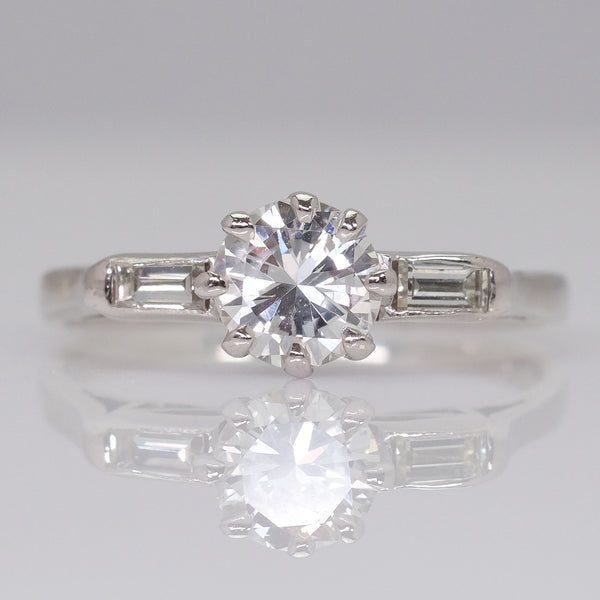
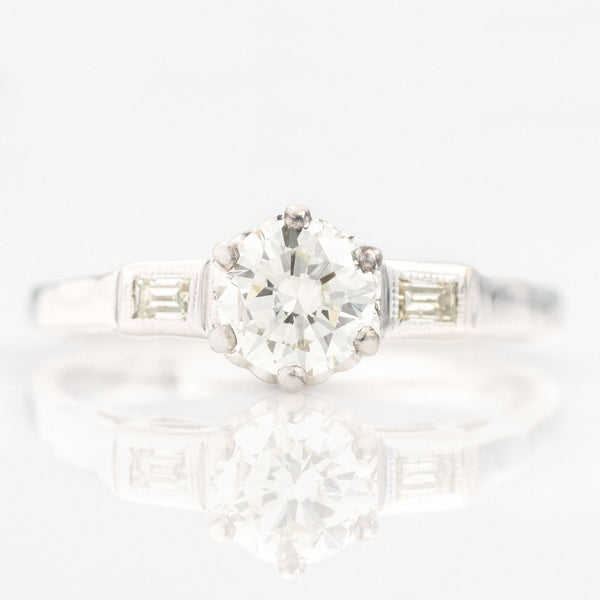
Diamond quality varies significantly across art deco examples, reflecting both the era's cutting techniques and individual jeweller standards. The European cut and transitional cut diamonds commonly found in these rings possess different proportions from modern brilliant cuts, often creating a distinctive warm glow under various lighting conditions. These earlier cutting styles shouldn't be viewed as inferior – they represent the period's aesthetic preferences and cutting technology.
Setting construction provides crucial authenticity clues. Period pieces typically feature substantial platinum work with properly executed milgrain details. The metalwork should feel substantial yet refined, with smooth finishes and precise geometric patterns. Examine the ring's profile – authentic art deco rings often display interesting architectural elements when viewed from the side.
Consider the piece's overall condition carefully. Minor wear consistent with age is expected and acceptable, but significant damage to delicate milgrain work or loose stone settings requires professional attention. Original sizing and any previous modifications should be assessed, as extensive alterations can affect both value and structural integrity.
Evaluating Quality and Craftsmanship
The finest art deco diamond rings demonstrate exceptional attention to detail in every element. Look for symmetrical stone arrangements where matching diamonds or gemstones display consistent colour and clarity characteristics. The period's best jewellers took great care in selecting stones that worked harmoniously together.
Platinum quality varies between manufacturers and price points from the era. High-quality pieces feel substantial in weight and display smooth, even surfaces with crisp detail definition. The platinum should show the typical patina associated with age whilst maintaining structural soundness.
Examine the ring's construction methodology. Premium examples feature sophisticated engineering solutions for complex geometric designs – multiple levels, intricate openwork, or innovative stone-setting techniques that showcase the maker's skill. The underside of quality pieces often reveals as much attention to finish and detail as visible surfaces.
Original maker's marks, when present, provide valuable provenance information. However, many exceptional pieces bear no marks, particularly those created by smaller workshops or individual craftsmen. The absence of hallmarks shouldn't automatically indicate lesser quality.
Investment Potential and Market Considerations
The art deco market has demonstrated remarkable stability over decades, with exceptional pieces consistently appreciating in value. Rarity, condition, design sophistication, and provenance all influence investment potential, though collecting should primarily focus on personal appreciation rather than purely financial considerations.
Certain design categories command premium prices. Large cocktail rings, engagement rings with unusual geometric settings, and pieces incorporating rare gemstone combinations typically perform well at auction. However, smaller examples with exceptional craftsmanship often provide better value whilst offering the same design satisfaction.
Market trends currently favour pieces with strong geometric patterns and colour contrast over subtle designs. This preference may shift over time, making quality and authenticity more reliable long-term indicators than current fashion preferences.
Documentation enhances value significantly. Original receipts, family provenance, or historical photographs increase both monetary worth and collecting satisfaction by providing context about the piece's history and original ownership.
Caring for Your Art Deco Collection
Proper maintenance preserves both beauty and value in vintage pieces. Regular professional cleaning maintains brilliance whilst allowing experts to monitor structural integrity. However, avoid ultrasonic cleaning methods that might damage period settings or loosen stones set with older techniques.
Storage requires particular attention for delicate milgrain work and complex geometric designs. Individual soft pouches prevent pieces from scratching each other, whilst climate-controlled environments protect platinum and settings from environmental damage.
Wear these magnificent rings with confidence – they were created for daily use and enjoyment. However, consider the activities involved, as period settings may be more vulnerable than modern equivalents to significant impacts or chemical exposure.
Conclusion
The enduring appeal of the art deco diamond ring lies in its perfect marriage of innovative design and exceptional craftsmanship. These pieces transport us to an era of unprecedented creativity and optimism, when jewellers pushed artistic boundaries whilst maintaining the highest standards of technical execution.
For collectors, art deco represents an accessible entry into serious vintage jewellery collecting, offering pieces across various price ranges whilst maintaining consistent design appeal and investment potential. The geometric beauty and historical significance of these rings ensure they remain as relevant today as when they first emerged from their creators' workshops.
Whether seeking your first art deco piece or adding to an established collection, focus on authenticity, quality, and personal connection with the design. These remarkable rings deserve owners who appreciate both their historical importance and their continuing ability to capture attention and admiration nearly a century after their creation.
I invite you to explore our carefully curated collection of authentic art deco rings, each selected for exceptional quality and historical significance.