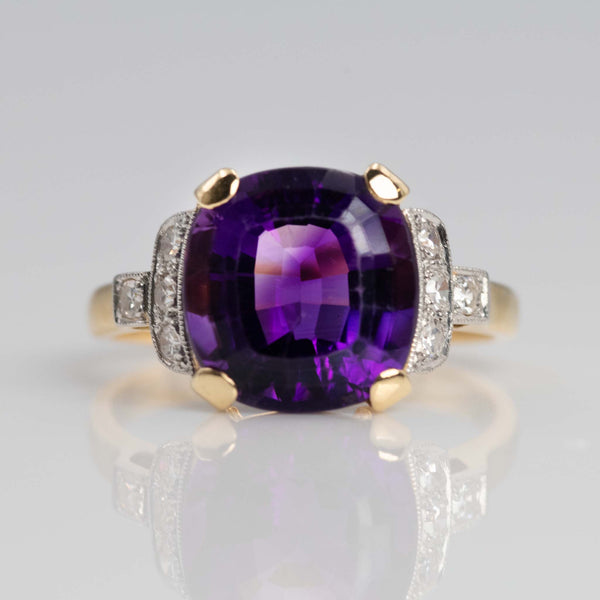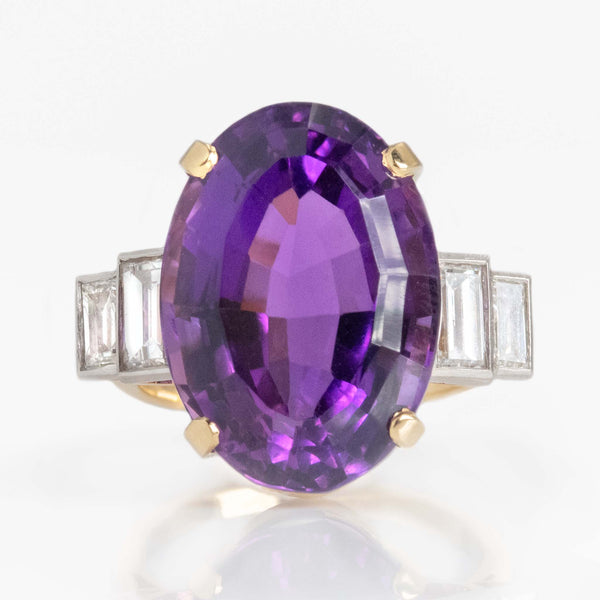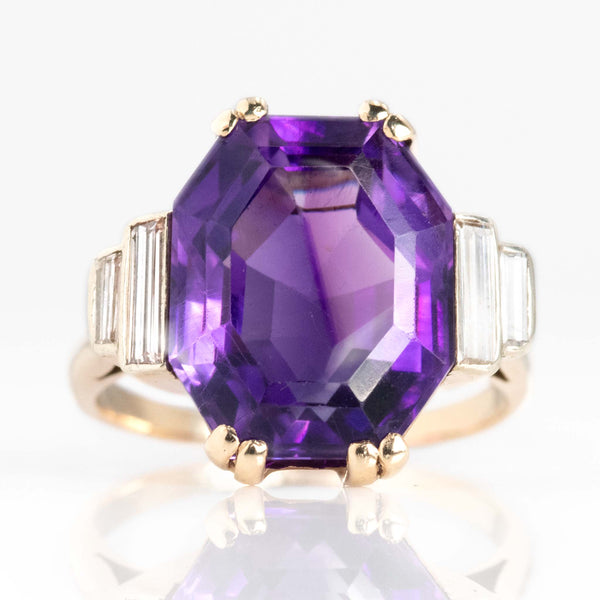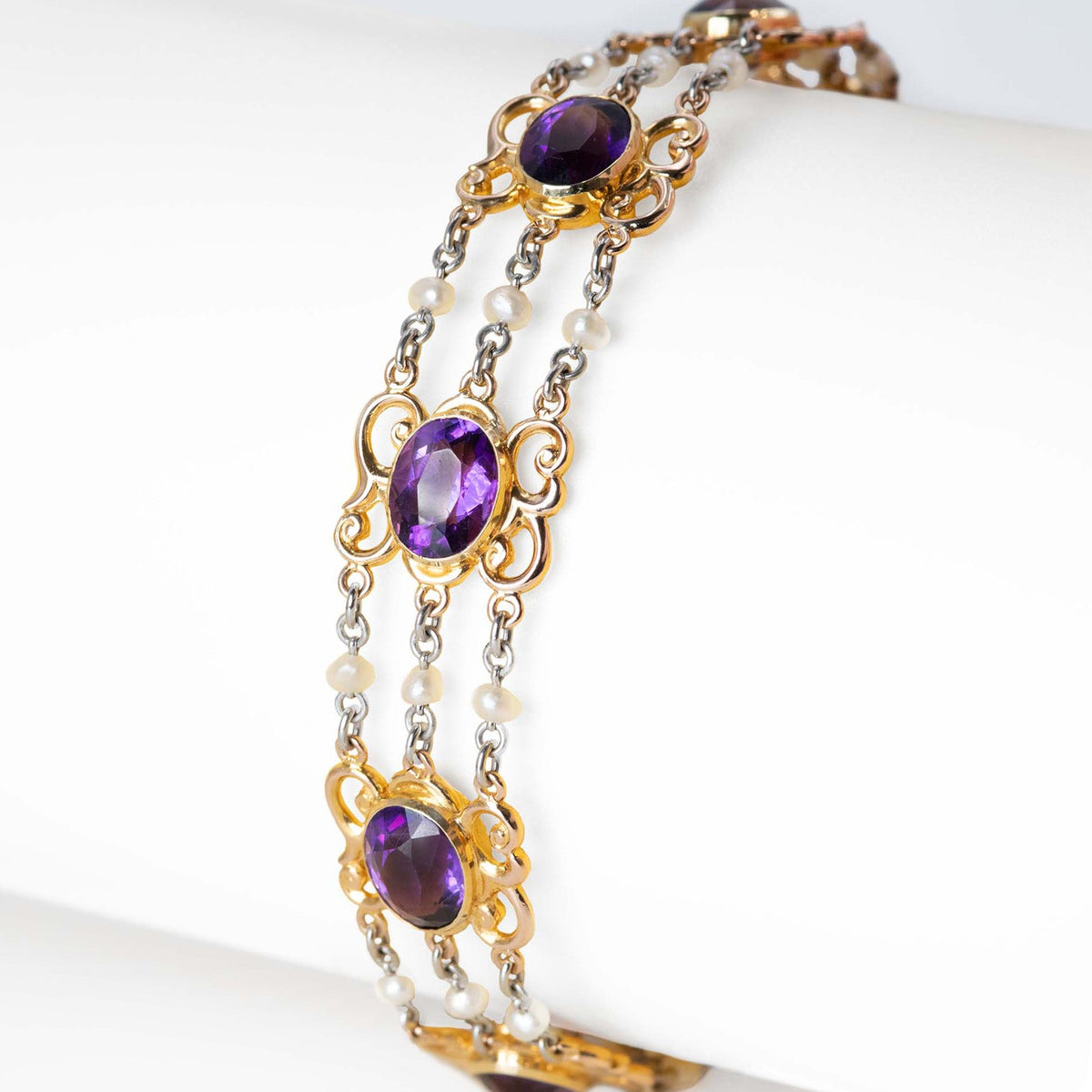
As the month of February unfolds, many celebrate their birthdays with a striking gemstone known for its regal allure and spiritual depth: amethyst. Renowned for its stunning violet hues and profound symbolism, amethyst has been cherished across centuries as a symbol of royalty, spiritual wisdom, and protection. Its rich history is deeply embedded in antique jewellery, where it continues to captivate collectors and enthusiasts alike.
The Origins and Historical Significance of Amethyst
Amethyst’s name derives from the Greek word amethystos, meaning “not intoxicated,” a reflection of ancient beliefs linking the stone to sobriety and clarity. This connection stems from Greek and Roman traditions, where amethyst was believed to ward off drunkenness and promote clear thought.
Historically, amethyst has enjoyed a reputation as a highly prized gemstone, often associated with royalty and nobility. In medieval Europe, it was considered one of the most valuable gemstones, second only to diamonds and sapphires. Its colour was thought to signify calmness, clarity, and divine wisdom, making it a favourite among clergy, royalty, and aristocrats.
Ancient Egyptians also valued amethyst, using it in jewellery and amulets believed to provide spiritual protection. In the Tibetan and Indian traditions, amethyst was regarded as a sacred stone that could aid meditation, enhance spiritual insight, and foster inner peace.
The Royal Connection
Amethyst’s regal status was cemented when it became a favourite among European monarchs and aristocrats. During the Renaissance and Victorian eras, amethyst was often set in crowns, sceptres, and jewellery worn by the elite, symbolising power, piety, and spiritual insight.
In particular, the British royal family has long been associated with amethyst. Queen Charlotte, wife of King George III, was known for her collection of amethyst jewellery, which was considered a symbol of her status and devotion. The stone’s association with royalty persisted, and it was often regarded as a stone of spiritual nobility.
In the 19th century, the discovery of vast amethyst deposits in Brazil made the gemstone more accessible, leading to a surge in antique and vintage pieces featuring amethyst. Many antique rings, brooches, and pendants from this period showcase the deep violet stones set in intricate gold and silver settings, reflecting both artistic craftsmanship and the stone’s noble symbolism.
Spiritual and Healing Properties
Beyond its visual appeal, amethyst has long been associated with spiritual and healing properties. It is believed to promote calmness, mental clarity, and emotional stability. Many consider it a stone of spiritual protection, helping to ward off negative energies and fostering a sense of inner peace.
In meditation and spiritual practices, amethyst is often used to enhance intuition, stimulate psychic abilities, and connect with higher states of consciousness. Its calming influence makes it a popular stone for those seeking serenity amid life's stresses.
Throughout history, healers and mystics have associated amethyst with the third eye and crown chakras, where it is thought to facilitate spiritual awakening and insight. This blend of aesthetic beauty and metaphysical significance has made antique amethyst jewellery especially meaningful for those who value both tradition and personal growth.
Antique Amethyst Pieces: A Glimpse into the Past
Antique and vintage amethyst jewellery offers a treasure trove of history, craftsmanship, and symbolism. From Victorian mourning brooches to Edwardian cocktail rings, each piece tells a story.
Victorian-era amethyst jewellery often features intricate gold filigree work and elaborate designs, reflecting the romanticism of the period. These pieces were often set with large, faceted amethysts and complemented with pearls or diamonds, creating a regal and opulent aesthetic.
During the Edwardian era, amethyst was frequently used in delicate and refined designs, with platinum and silver settings highlighting the stone’s colour and brilliance. Art Nouveau designers also embraced amethyst’s natural beauty, incorporating it into nature-inspired motifs such as floral and butterfly designs.
Collectors cherish antique amethyst jewellery not just for its beauty but for its historical significance. Many pieces have survived centuries, preserved as family heirlooms or museum artefacts, embodying the spiritual and regal qualities associated with the gemstone.
Caring for Antique Amethyst Jewellery
Antique amethyst jewellery is a valuable and delicate possession that requires gentle care. Amethyst is a relatively hard gemstone (7 on the Mohs scale), but its colour can fade if exposed to prolonged sunlight or harsh chemicals.
To preserve antique pieces, avoid exposing them to extreme heat, direct sunlight, or strong cleaning agents. Cleaning should be done with a soft, damp cloth, and professional jewellery cleaning is recommended for intricate or valuable items. Proper storage in a soft pouch or jewellery box protects the stone from scratches and environmental damage.
When cared for correctly, antique amethyst jewellery can retain its beauty and spiritual significance for generations, continuing to inspire and adorn its owner with a sense of history and nobility.
Embracing the Spirit of February’s Amethyst
Whether worn as a personal talisman, a family heirloom, or a collector’s prize, amethyst embodies a unique blend of beauty, spirituality, and history. Its deep violet hues evoke a sense of royalty and calm, while its rich cultural legacy links us to ancient traditions of protection, wisdom, and divine insight.
For those born in February, wearing an amethyst is more than a celebration of their birth month—it’s a connection to centuries of spiritual practice, regal tradition, and personal growth. Antique amethyst jewellery, with its intricate craftsmanship and storied past, offers a tangible link to this heritage, transforming each piece into a meaningful treasure.
As we cherish the timeless allure of amethyst, we embrace its enduring symbolism—of royalty, spirituality, and inner peace—that continues to inspire and captivate, centuries after it was first mined from the earth.