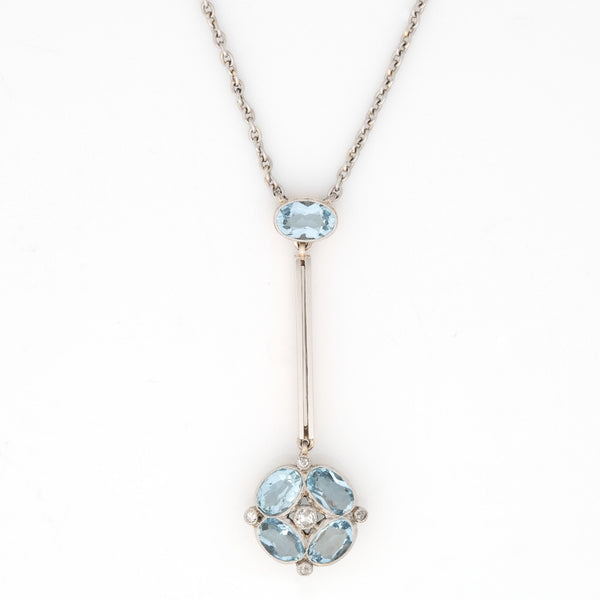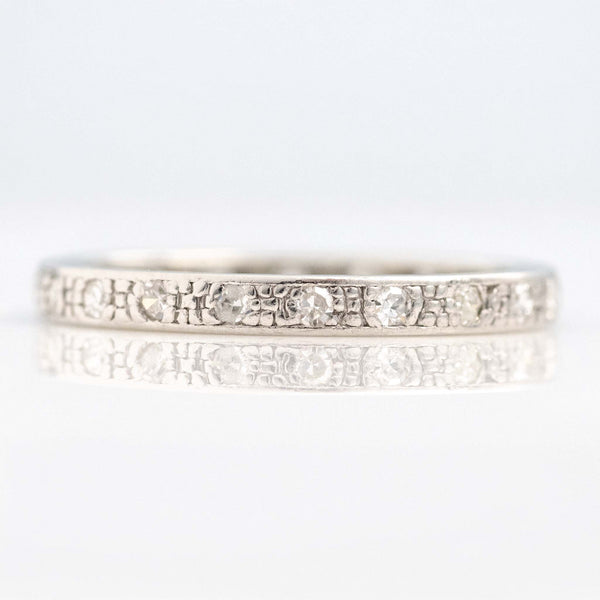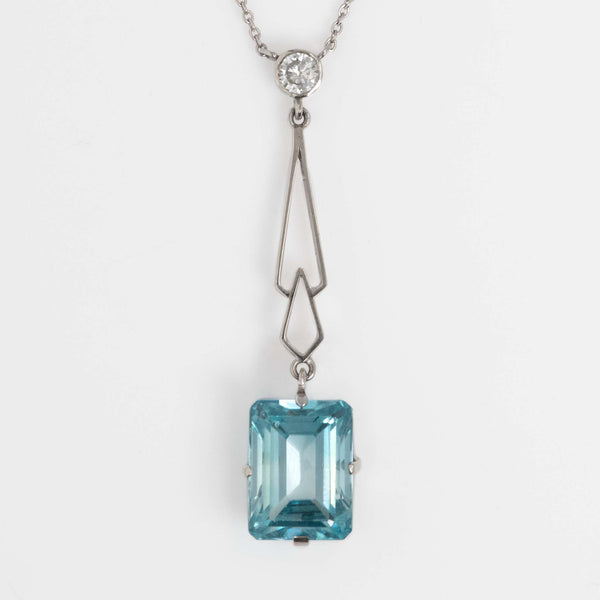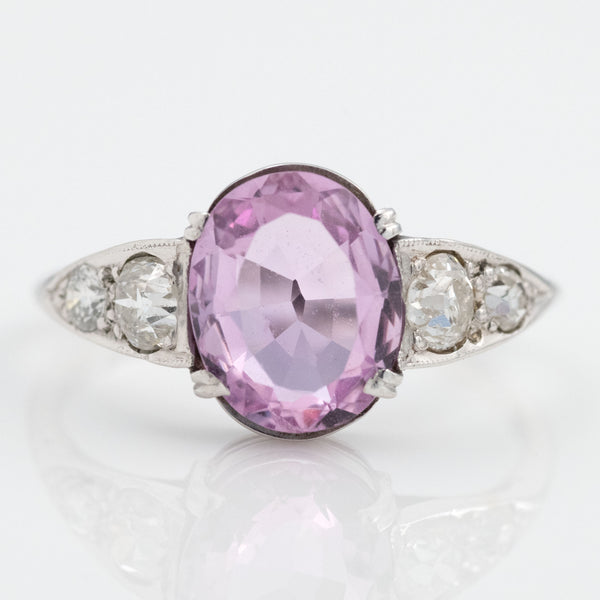
When customers come into the shop, or write to us online, they often want to understand the meaning of a piece of jewellery before they part with their money. A ring, pendant or brooch from another era rarely arrives without a story attached, whether that's a message of love, mourning, faith, or friendship. This guide will help you understand what to look for, how symbols were used across different periods, and what affects the value and authenticity of a piece you're considering.
Understanding Jewellery Through History
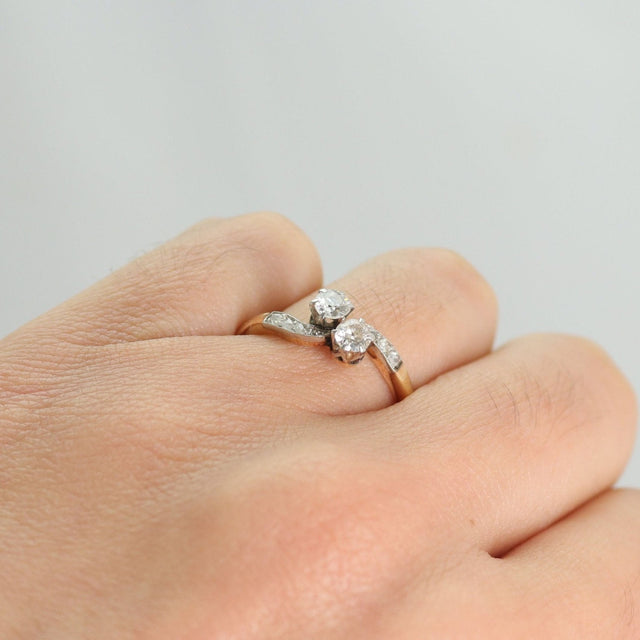
Every period of jewellery history had its own visual language. Victorians used flowers, hands, hearts, and even hair to communicate feelings that weren't always spoken aloud. Edwardian pieces often favoured lighter, romantic symbols such as bows, garlands, and lovers' knots, reflecting the optimism of the era.
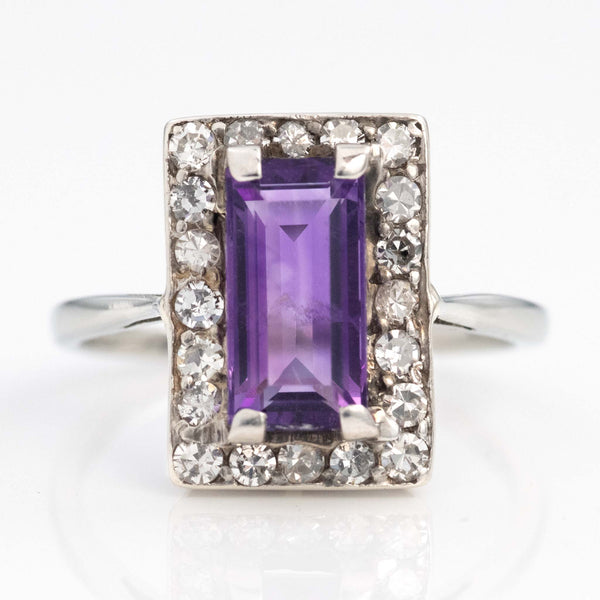
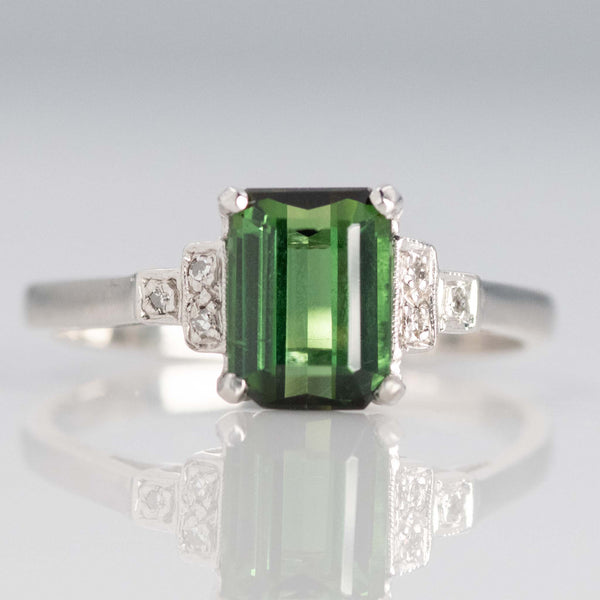
Art Deco jewellery, by contrast, leaned towards geometric shapes and bold contrasts, symbolising modernity and progress rather than sentiment. Georgian pieces frequently carried mourning or memorial symbolism, with motifs like urns, willows, and forget-me-nots. Knowing which period a design belongs to helps you interpret its meaning more accurately, rather than guessing based on modern assumptions.
Common Symbols and What They Represent
Certain motifs recur again and again in antique jewellery, and recognising them will make you a more confident buyer. Hearts, obviously, represent love, but their style matters too. A crowned heart often points to loyalty or fidelity, while a heart pierced by an arrow is a more playful romantic gesture.
Snakes, often coiled into rings or bracelets, symbolise eternity because they have no visible beginning or end. Anchors suggest hope, while ivy and forget-me-nots were popular choices for remembrance. Lockets and pendants frequently held photographs, hair, or small mementoes, making antique pendant meaning deeply personal rather than purely decorative.
If you're drawn to symbolic jewellery, take time to research the specific motif before buying. A knowledgeable seller should be able to explain the symbolism clearly and confidently, without vague or contradictory answers.
What to Look for When Buying Symbolic Antique Pieces
Authenticity starts with materials and construction. Genuine antique pieces will show consistent wear patterns, period-appropriate settings, and hallmarks where applicable. Hallmarks can help date a piece and confirm metal content, though not every country or period required them, so their absence isn't automatically a red flag.
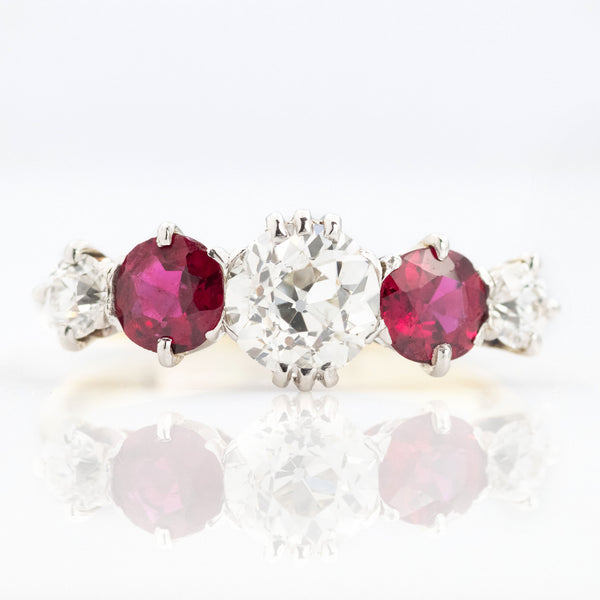
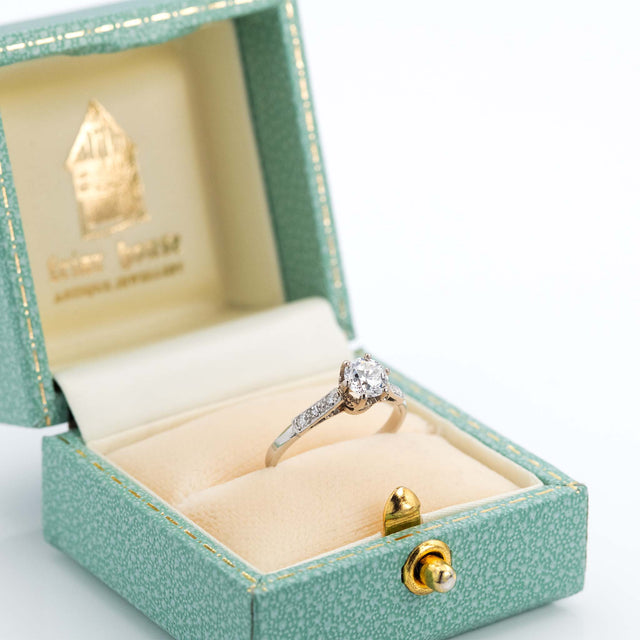
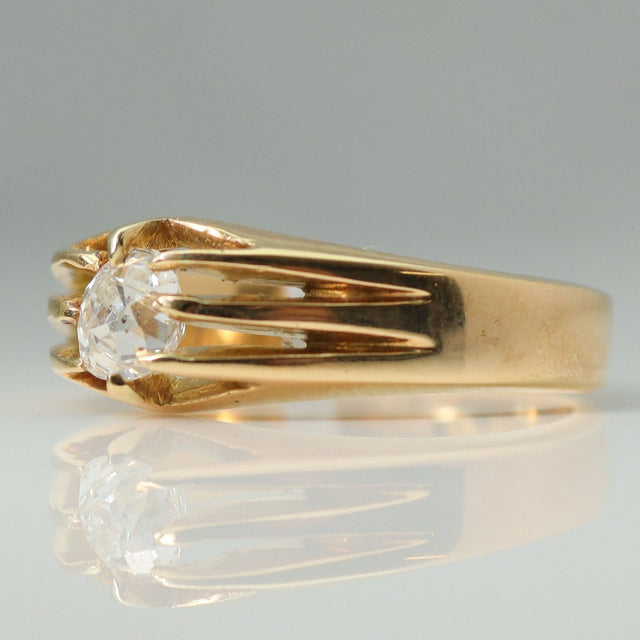
Look closely at how stones are set. Older cutting techniques, such as rose cuts or old mine cuts, look different from modern brilliant cuts and can indicate genuine age. Claw settings, bezel settings, and engraving styles also shifted over time, so familiarity with these details helps you avoid reproductions sold as originals.
Condition matters, but perfect condition isn't always realistic or even desirable in a piece that's over a century old. Minor wear can add character and confirm authenticity, whereas poor repairs, mismatched replacement stones, or unstable settings are worth asking about directly.
Always buy from a seller who can provide clear information about age, origin, and condition. A specialist dealer, particularly one who is a member of a recognised trade association, should be able to answer detailed questions honestly rather than relying on generic descriptions.
What Affects Value in Antique Symbolic Jewellery
Several factors influence what a piece is worth, and understanding them helps you make a sensible decision rather than an emotional one. Rarity plays a significant role; pieces from shorter design periods, such as certain Edwardian styles, can be harder to find than more common Victorian designs.
Craftsmanship also matters. Hand-engraving, intricate settings, and quality metalwork all add value beyond the raw materials used. The condition of enamel work, which is prone to chipping, can significantly affect price, as can whether stones are original to the piece.
Provenance, where known, can add interest and sometimes value, though most antique jewellery arrives without a documented history. Don't be discouraged by this; many wonderful pieces simply outlived the records of who first wore them.
Choosing Symbolic Jewellery as a Meaningful Gift
Antique pieces make thoughtful and meaningful jewellery gifts because they carry both craftsmanship and sentiment. A pendant with a specific motif, chosen deliberately, says something a mass-produced modern piece often can't.
When buying as a gift, consider the recipient's connection to the symbolism rather than choosing purely on appearance. A snake motif for eternity, a forget-me-not for remembrance, or a simple engraved heart can all carry quiet, personal weight when the meaning is understood.
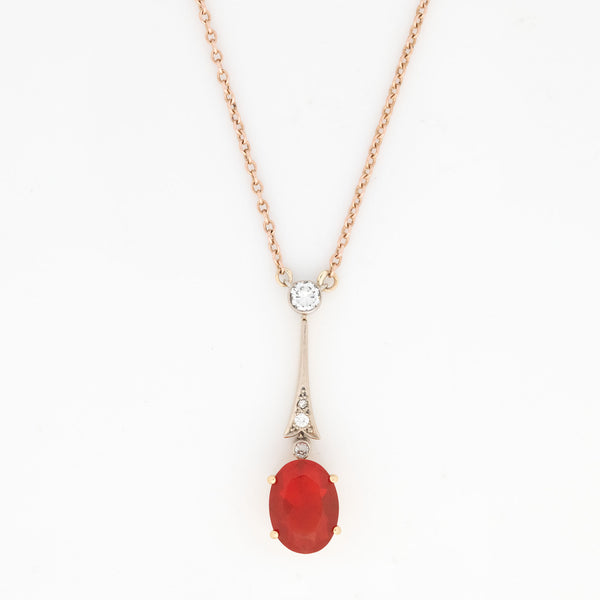
If you're browsing for a pendant or necklace with genuine history and symbolism behind it, take a look through our antique necklaces collection, where pieces span several periods and styles.
Making a Confident Purchase
Buying antique jewellery should feel considered rather than rushed. Take time to ask questions, request clear photographs if buying online, and don't hesitate to ask a dealer directly about a piece's age, condition, and symbolism.
A reputable seller will welcome these questions rather than avoid them. Understanding the history of a piece of jewellery isn't just an interesting exercise, it's part of making sure the piece you choose genuinely suits the occasion, the recipient, or your own collection.
At Friar House, we've spent over thirty years helping people find pieces that mean something, whether that's a Victorian mourning brooch, an Edwardian pendant, or an Art Deco ring with a story of its own. Browse our antique necklaces collection to find a piece with genuine history and symbolism behind it, and feel free to get in touch if you'd like guidance on a specific style or period.